Are you staring at a concrete board and wondering how to cut it cleanly without making a mess? Cutting concrete board might seem tricky, but with the right tools and tips, you can do it yourself quickly and safely.
Whether you’re tackling a home project or fixing up your space, knowing exactly what to use can save you time and frustration. Keep reading to discover the best tools and techniques that will make cutting your concrete board easier than you ever thought.

Credit: www.tilemountain.co.uk
Types Of Concrete Boards
Concrete boards are strong panels used in building projects. They need to be cut to fit walls and floors.
Different types of concrete boards require different tools for cutting. Knowing each type helps you choose the right tool.
Cement Backer Boards
Cement backer boards are made from cement and reinforcing fibers. They are water resistant and used under tiles.
You can cut cement backer boards with a circular saw or angle grinder. Use a diamond blade for best results.
- Use a straight edge to guide cuts
- Wear a mask to avoid dust
- Score the board first for cleaner cuts
Fiber Cement Boards
Fiber cement boards combine cement with cellulose fibers. They are strong and resist moisture and fire.
A circular saw with a carbide-tipped blade works well for cutting fiber cement boards. Cut slowly to reduce dust.
- Use clamps to hold the board steady
- Wear safety glasses and a dust mask
- Mark the cut line clearly before cutting
Glass Mat Gypsum Boards
Glass mat gypsum boards have gypsum core with glass fiber mats. They are lightweight and fire resistant.
You can cut glass mat gypsum boards with a utility knife. Score the board and snap it along the line.
- Use a straight edge for scoring
- Cut slowly to avoid tearing the glass mat
- Wear gloves to protect your hands
Essential Tools For Cutting
Cutting concrete board requires the right tools to make clean and accurate cuts. Using the correct tool helps avoid damage and saves time.
This guide explains the main tools used for cutting concrete board. Choose the tool that fits your project needs.
Utility Knives
Utility knives are simple tools to score thin concrete boards. They work best for light cuts and small adjustments.
Score the board several times along the cut line. Then snap the board along the score for a clean break.
Scoring Tools
Scoring tools have a sharp blade or wheel to mark the concrete board deeply. This helps create a straight break line.
Use a straight edge to guide the scoring tool. Make multiple passes for a clear score before snapping the board.
Circular Saws
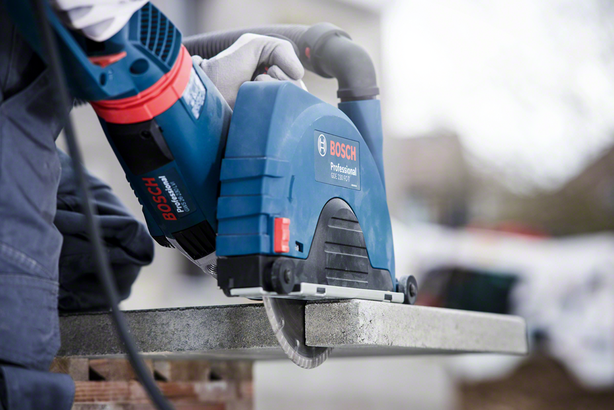
Circular saws with a diamond blade cut concrete board quickly and cleanly. They are good for long straight cuts.
Wear safety gear and cut slowly to avoid chipping. Keep the blade cool by pausing or using water spray.
- Use a diamond blade for concrete
- Wear eye and ear protection
- Cut steady and avoid forcing the saw
Angle Grinders
Angle grinders with diamond discs are good for detailed or curved cuts in concrete board. They offer more control.
Hold the grinder firmly and make slow cuts to avoid rough edges. Use safety gear like gloves and goggles.
Jigsaws
Jigsaws with a carbide-grit blade can cut concrete board in curves or irregular shapes. They are versatile tools.
Cut slowly and steady to reduce chipping. Use a guide if possible for straighter cuts.
Choosing The Right Blade
Cutting concrete board needs the right blade to avoid damage and get clean cuts. Different blades work best for various materials and tools.
Choosing a blade depends on the type of cut, tool, and the concrete board’s thickness. This guide explains common blade types.
Diamond Blades
Diamond blades have small diamonds embedded in the cutting edge. They cut through concrete boards smoothly and last a long time.
- Work well on hard materials like concrete and stone
- Provide clean, straight cuts
- Produce less dust compared to other blades
- Require water cooling for best performance in some cases
Carbide-tipped Blades
Carbide-tipped blades have tough metal tips that last longer than regular blades. They are good for cutting concrete board with some nails or screws inside.
| Feature | Benefit |
| Durable carbide tips | Resist wear and last longer |
| Cut through embedded metal | Good for mixed materials |
| Works with standard saws | Easy to use with common tools |
Abrasive Blades
Abrasive blades use a rough surface to grind through materials. They are less expensive but wear out faster and create more dust.
- Wear protective gear due to dust
- Use for short or rough cuts
- Replace blade often to maintain cut quality
Cutting Techniques
Cutting concrete board requires the right tools and methods for clean results. Each technique suits different tools and project sizes.
Choosing the correct cutting method helps avoid damage and keeps edges smooth. Below are common ways to cut concrete board safely and accurately.
Scoring And Snap Method
This method works well for thin concrete boards. You score a line with a utility knife, then snap the board along the line.
- Use a straight edge to guide the cut.
- Score the board deeply on one side.
- Snap the board by applying pressure along the scored line.
- Smooth rough edges with sandpaper if needed.
Wet Cutting
Wet cutting uses water to cool the blade and reduce dust. It is ideal for thick or large concrete boards.
| Tool | Purpose | Benefit |
|---|---|---|
| Diamond blade saw | Cut through concrete board | Reduces heat and dust |
| Water source | Keep blade cool | Extends blade life |
| Protective gear | Safety for user | Prevents injury and inhalation |
Dry Cutting
Dry cutting uses a saw without water. It is faster but creates more dust. Use this method only with the right blade and safety gear.
- Use a diamond blade designed for concrete.
- Wear a dust mask and eye protection.
- Cut slowly to avoid overheating the blade.
- Work in a well-ventilated area.
Safety Tips When Cutting
Cutting concrete board can create dust and sharp edges. Safety is very important to protect yourself.
Use the right tools and follow safety steps to avoid injuries and health problems.
Protective Gear
Wear protective gear to keep your body safe from dust and sharp pieces. Eye and lung protection are a must.
Good gloves protect your hands from cuts. Hearing protection helps if you use loud power tools.
- Safety goggles or glasses
- Dust mask or respirator
- Cut-resistant gloves
- Hearing protection (earplugs or earmuffs)
- Long sleeves and pants
Dust Control
Cutting concrete board creates fine dust that can harm your lungs. Control dust to stay safe.
Use tools with dust collection or cut outdoors. Wetting the board before cutting also helps reduce dust.
- Use a saw with a dust collection system
- Cut in open, well-ventilated areas
- Spray water on the board before cutting
- Wear a proper dust mask or respirator
Proper Tool Handling
Use the right tools and handle them carefully to avoid accidents. Know how to hold and guide the saw.
Keep your hands clear of the blade. Make slow, steady cuts to keep control of the tool.
- Choose a blade suitable for concrete board
- Secure the board firmly before cutting
- Hold the saw with both hands
- Cut slowly and steadily
- Unplug power tools when not in use

Credit: www.familyhandyman.com
Common Mistakes To Avoid
Cutting concrete board needs the right tools and care. Mistakes can cause damage or injury. Learn what to avoid for better results.
This guide covers common errors when cutting concrete board. Avoid these mistakes to work safely and efficiently.
Wrong Tool Selection
Using the wrong tool can ruin the board or cause accidents. Some tools are not strong enough or not made for concrete.
- Do not use regular saws or knives that are not designed for concrete.
- Avoid tools without diamond blades or carbide tips.
- Skip using tools that cannot handle dust and debris well.
Incorrect Blade Use
Choosing the right blade is key to cutting concrete board cleanly. Wrong blades wear out fast or break the board.
| Blade Type | Use For | Common Mistake |
| Diamond Blade | Cutting concrete board | Using a dull or worn blade |
| Carbide-Tipped Blade | Scoring and light cuts | Using for deep cuts |
| Wood Blade | Not suitable | Trying to cut concrete board |
Ignoring Safety Protocols
Concrete board dust can harm your lungs and eyes. Ignoring safety rules risks injury and illness.
- Always wear a dust mask or respirator.
- Use safety glasses to protect your eyes.
- Work in a well-ventilated area or outdoors.
- Wear gloves to avoid cuts and scrapes.
- Secure the board firmly before cutting.
Maintenance Of Cutting Tools
Cutting concrete board needs strong tools. Keeping these tools in good shape helps them work better.
Regular care of blades and tools makes cutting safer and faster. It also helps tools last longer.
Blade Sharpening
Sharp blades cut concrete board more easily. Dull blades can break or cause rough cuts.
Use the right sharpening tools to keep blades sharp. Follow the blade maker’s instructions for best results.
Cleaning And Storage
After cutting, clean blades to remove dust and debris. This stops rust and damage.
Store tools in a dry place. Use covers or cases to protect blades from moisture and impact.
Regular Inspections
Check blades often for cracks or wear. Replace blades that are damaged to avoid accidents.
Look over tool handles and parts. Fix or replace any weak or broken pieces before use.
Credit: www.bosch-pt.com.my
Frequently Asked Questions
What Tools Cut Concrete Board Effectively?
Concrete board can be cut with a carbide-tipped scoring knife, circular saw, or angle grinder. Use blades designed for cement or masonry. Always wear safety gear when cutting to protect from dust and debris.
Can I Use A Utility Knife To Cut Concrete Board?
A utility knife can score thin concrete boards, but it’s not ideal for thick or dense boards. For cleaner cuts, use a carbide scoring knife or power saw.
How To Cut Concrete Board Without Chipping?
Score the board deeply with a carbide knife first. Use a slow, steady cut with a diamond blade saw. Support the board firmly to avoid vibrations and chipping.
Is It Safe To Cut Concrete Board Indoors?
Cutting concrete board indoors is possible but needs proper ventilation. Use a dust mask and eye protection. Wet cutting reduces dust and makes the process safer.
Conclusion
Choosing the right tool for cutting concrete board is vital. It ensures clean cuts and efficient work. Remember to prioritize safety with protective gear. Gloves and goggles are essential. Practice on scrap pieces to gain confidence. Circular saws and utility knives work well.
Each tool offers unique benefits. Consider your comfort and skill level. Proper preparation saves time and effort. This leads to better results in your project. With these tips, tackling concrete board becomes straightforward. Happy cutting and stay safe!