Are you ready to create a thriving raised garden bed but unsure what to fill it with? The right soil mix can make all the difference between a garden that flourishes and one that struggles.
You want your plants to grow strong, produce plenty, and stay healthy throughout the season. But how do you choose the perfect blend for your raised bed? Keep reading, because we’re about to reveal the simple secrets to filling your raised garden bed for the best results.
This guide will help you get it right the first time—so your garden can truly shine.
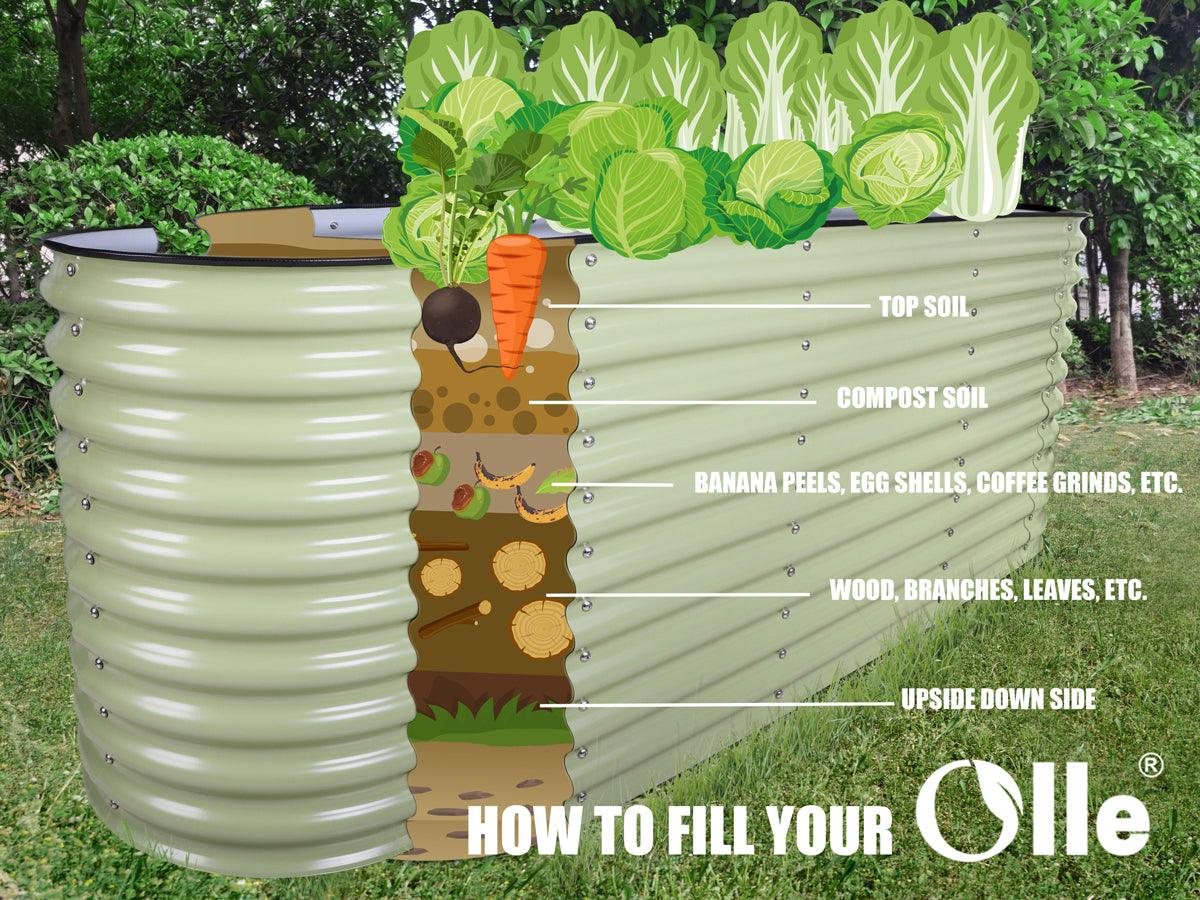
Credit: www.ollegardens.com
Benefits Of Raised Garden Beds
Raised garden beds offer many advantages for gardeners of all levels. They create a controlled environment to grow plants.
These beds improve soil quality and make gardening easier and more productive.
Improved Soil Drainage And Quality
Raised beds allow water to drain better than traditional garden plots. This prevents waterlogging that can harm roots.
You can fill the beds with rich, loose soil that encourages healthy root growth and improves plant health.
Easier Access And Maintenance
Raised beds sit above ground, reducing the need to bend or kneel. This makes planting, weeding, and harvesting easier.
- Less back strain for gardeners
- Clear boundaries for the garden area
- Helps keep pests and weeds under control
Better Pest And Weed Control
Raised beds can reduce weed growth by using fresh soil and adding mulch. They also help keep some pests away by creating a barrier.
| Benefit | Description |
| Soil Control | Use good soil mix for healthy plants |
| Water Management | Improved drainage prevents root rot |
| Easy Access | Less bending and easier gardening tasks |
| Weed Reduction | Fresh soil and mulch limit weed growth |
| Pest Barrier | Raised height helps keep some pests away |

Credit: www.epicgardening.com
Essential Components For Soil Mix
Filling a raised garden bed requires a good soil mix. The right mix helps plants grow strong and healthy.
Good soil has many parts. Each part plays a role in plant growth and soil health.
Topsoil
Topsoil is the main part of the soil mix. It provides minerals and holds water for plants.
Choose good quality topsoil that is free from weeds and debris. It should be loose and crumbly.
Compost
Compost adds nutrients and organic matter to the soil. It helps plants get food naturally.
Use well-rotted compost. It improves soil structure and water retention.
Coconut Coir Or Peat Moss
Coconut coir or peat moss helps the soil hold water without becoming soggy. It also helps air reach roots.
Coir is more sustainable than peat moss. Both improve soil texture and moisture balance.
Perlite Or Vermiculite
Perlite and vermiculite keep soil light and fluffy. They improve drainage and prevent soil compaction.
Use about 10-20% perlite or vermiculite in your mix for better root growth.
Organic Fertilizer
Organic fertilizers add essential nutrients like nitrogen, phosphorus, and potassium. They feed plants over time.
Choose slow-release fertilizers to avoid nutrient burn and keep plants healthy.
Mulch (optional)
Mulch helps keep soil moist and stops weeds from growing. It also adds organic matter as it breaks down.
Use straw, wood chips, or shredded leaves as mulch on top of the soil mix.
Choosing The Right Soil Type
Picking the right soil is key for a healthy raised garden bed. Good soil helps plants grow strong and stay healthy.
Understanding soil types helps you fill your garden bed with the best mix for your plants.
Understanding Soil Components
Soil has three main parts: sand, silt, and clay. Each affects water and air flow differently.
Sandy soil drains water fast but holds fewer nutrients. Clay soil holds water well but drains poorly.
- Sand improves drainage
- Silt holds moisture and nutrients
- Clay retains nutrients but can be heavy
Using Loamy Soil For Raised Beds
Loamy soil is a mix of sand, silt, and clay. It drains well and holds nutrients and moisture.
This soil type is soft and easy for roots to grow in. It is ideal for most plants in raised beds.
- Good drainage and moisture retention
- Rich in nutrients
- Easy for roots to spread
Adding Organic Matter
Organic matter like compost or peat moss improves soil texture and fertility. It feeds plants naturally.
Mix organic matter into your soil to keep it loose and full of nutrients. It helps water stay but not flood.
- Improves nutrient content
- Increases water retention
- Helps soil stay loose
Avoiding Heavy Clay Or Rocky Soil
Heavy clay or rocky soil can block roots and hold too much water. This harms plant growth.
If your soil is heavy, add sand and organic matter to improve it. Remove large rocks before filling the bed.
- Blocks root growth
- Holds excess water
- Reduces oxygen for roots
Choosing Soil Based On Plant Needs
Different plants need different soil types. Know your plants’ needs before choosing soil.
Vegetables often like loamy soil. Succulents need sandy, well-drained soil. Adjust soil mix to suit plants.
- Vegetables: Loamy soil with compost
- Herbs: Well-drained soil
- Succulents: Sandy soil with good drainage
Organic Matter Importance
Organic matter plays a key role in raised garden beds. It helps soil hold water and nutrients better. This makes plants grow strong and healthy.
Adding organic matter improves soil texture and supports beneficial microbes. These microbes break down material, releasing nutrients for plants.
Compost Benefits
Compost is rich in nutrients and organic matter. It feeds plants slowly and improves soil structure. Compost also helps soil stay moist longer.
- Increases soil fertility naturally
- Supports beneficial soil organisms
- Improves soil drainage and aeration
- Reduces the need for chemical fertilizers
- Helps prevent soil erosion
Incorporating Manure
Manure adds valuable nutrients and organic matter to the soil. It boosts soil life and helps plants grow better. Using well-aged manure is safest for your garden.
| Type of Manure | Nutrient Content | Best Use |
| Horse Manure | High in nitrogen | Mix with compost before use |
| Cow Manure | Balanced nutrients | Good for general soil improvement |
| Chicken Manure | Very high nitrogen | Use carefully, compost first |
| Sheep Manure | Rich and slow-releasing | Great for vegetable beds |
Understanding Soil Texture
Soil texture is the mix of different-sized particles in your garden bed. It affects water drainage, air flow, and plant growth.
Knowing about soil texture helps you choose the right materials for your raised garden bed. This makes your plants healthier.
Sand
Sand has the largest particles among soil types. It feels gritty and drains water quickly. This helps prevent waterlogging.
Too much sand can make soil dry and poor in nutrients. Plants may not get enough water or food if sand dominates.
Silt
Silt particles are medium-sized, softer than sand. It feels smooth and holds more water than sand does.
Silt helps keep moisture in the soil. It also stores nutrients well. But too much silt can cause poor drainage.
Clay
Clay has the smallest particles. It feels sticky when wet and hard when dry. Clay holds water and nutrients very well.
Clay soils drain slowly and can get compacted. This can stop roots from growing freely in the soil.
Balancing Soil Texture
Good raised garden soil has a balance of sand, silt, and clay. This mix is called loam, which supports healthy plants.
Adding organic matter like compost improves soil texture. It helps sandy soil hold water and clay soil drain better.
- Sand improves drainage and air flow
- Silt holds moisture and nutrients
- Clay retains water and nutrients
- Organic matter balances all soil types
Nutrient-rich Additives
Filling a raised garden bed with good soil is important for healthy plants. Nutrient-rich additives help improve soil quality. They provide food and better structure for roots.
These additives keep water and air balanced in the soil. They also help plants get the nutrients they need to grow strong.
Using Peat Moss
Peat moss is a common soil additive. It holds moisture well and helps soil stay loose. This lets roots grow easily.
Peat moss also adds organic matter to the soil. This improves nutrient supply and soil health.
- Holds water like a sponge
- Improves soil texture
- Helps nutrients stay in the soil
- Supports beneficial microbes
Benefits Of Vermiculite And Perlite
Vermiculite and perlite are natural minerals used in garden beds. They help with soil aeration and drainage.
Vermiculite holds water and nutrients well. Perlite keeps soil light and prevents compaction.
- Vermiculite retains moisture and nutrients
- Perlite improves air flow in soil
- Both help roots grow healthy
- They keep soil from becoming too dense
Maintaining Soil Ph Levels
Soil pH affects how well plants grow in a raised garden bed. It measures if the soil is acidic or alkaline. Most plants prefer soil that is slightly acidic to neutral.
Keeping the right pH helps plants absorb nutrients. You can adjust the soil mix to keep pH levels balanced in your raised bed.
Test Your Soil Ph Regularly
Check the pH of your soil before filling your raised bed. Use a soil test kit or send samples to a lab. Testing helps you know if the soil needs adjusting.
Test again every few months to keep track of changes. This prevents problems with plant growth.
Use The Right Soil Mix
Start with a soil mix that has a neutral pH, around 6.0 to 7.0. Good options include garden soil, compost, and peat moss. These materials help keep pH stable.
Avoid soil that is too sandy or clay-heavy. These types can change pH quickly and harm plants.
Add Lime To Raise Ph
If your soil is too acidic (low pH), add garden lime. Lime helps make the soil less acidic and raises the pH. Use it in small amounts and mix well.
Wait a few weeks after adding lime before planting. This gives time for the pH to adjust.
Use Sulfur To Lower Ph
If the soil is too alkaline (high pH), add elemental sulfur. Sulfur lowers the pH and makes the soil more acidic. Add it carefully and mix into the soil.
Check pH again after a few weeks to see if more sulfur is needed.
Incorporate Organic Matter
Organic matter like compost and aged manure can help balance soil pH. It improves soil texture and adds nutrients. Organic matter also helps soil hold moisture.
Add organic materials each year to maintain healthy soil and steady pH levels.
Drainage And Aeration Techniques
Good drainage and aeration keep plants healthy in raised garden beds. Water should move freely. Air must reach roots easily.
Learn how to improve drainage and soil aeration. These steps help roots grow strong and avoid water problems.
Ensuring Proper Drainage
Drainage prevents water from pooling around roots. Standing water can cause root rot and kill plants.
- Place coarse gravel or small rocks at the bottom of the bed.
- Use a layer of landscape fabric to stop soil from mixing with drainage material.
- Mix sand or perlite with garden soil to improve water flow.
- Make sure the bed has holes or gaps at the bottom for excess water to escape.
Improving Soil Aeration
Roots need oxygen to grow. Aerated soil lets air reach deep into the bed. This helps plants absorb nutrients better.
| Technique | Benefit |
|---|---|
| Adding organic matter like compost | Improves soil texture and air spaces |
| Mixing perlite or vermiculite | Increases soil porosity and drainage |
| Using a garden fork to loosen soil | Breaks compacted layers and adds air pockets |
| Planting cover crops | Roots create channels for air and water |
Seasonal Soil Mix Adjustments
Raised garden beds need different soil mixes for each season. Changing the mix helps plants grow better. It keeps the soil healthy all year.
Adjusting soil mixes can improve drainage, nutrition, and moisture retention. These changes fit the needs of your plants in every season.
Spring Soil Mix Changes
In spring, the soil needs good nutrients and loose texture. This helps roots grow fast and plants start strong.
Add compost and well-rotted manure to increase nutrients. Mix in some perlite or vermiculite to improve drainage and aeration.
- Use 40% topsoil
- Add 30% compost
- Include 20% coconut coir or peat moss
- Mix 10% perlite or vermiculite
Summer Soil Mix Adjustments
Summer soil should hold moisture well but drain extra water. Plants need steady water supply during hot days.
Add more organic matter like compost or peat moss to help keep soil moist. Avoid heavy clay that holds too much water.
- Use 35% topsoil
- Add 40% compost or peat moss
- Include 15% sand for drainage
- Mix 10% perlite to improve air flow
Fall Soil Mix Adjustments
In fall, soil should be rich for root growth and winter preparation. Add nutrients that release slowly over time.
Add aged compost and a small amount of balanced fertilizer. Mix in leaf mold or shredded leaves to improve texture and nutrients.
- Use 40% topsoil
- Add 30% aged compost
- Include 20% leaf mold or shredded leaves
- Add 10% sand for light drainage
Winter Soil Mix Adjustments
Winter soil needs to stay loose and protect roots from cold. It should drain well and have some nutrients stored.
Add organic matter like compost and straw for insulation. Avoid heavy soil that can freeze and harden.
- Use 50% topsoil
- Add 30% compost
- Include 20% straw or mulch for insulation
Credit: www.youtube.com
Common Mistakes To Avoid
Filling a raised garden bed might seem simple, but many people make mistakes that hurt plant growth. Choosing the wrong materials or layering incorrectly can cause problems.
This guide shows common errors to avoid when filling your raised garden bed. Correct filling helps your plants grow healthy and strong.
Using Poor Quality Soil
One big mistake is using low-quality soil that lacks nutrients. Cheap or old soil may not support healthy plant roots.
Always choose fresh, nutrient-rich soil. Avoid soil that is too sandy, clayey, or full of debris.
Skipping The Soil Layers
Some gardeners fill the bed with one type of soil only. This can cause poor drainage and root problems.
Use layers like gravel or coarse material at the bottom, then compost and topsoil. This helps water drain well and feeds plants.
Overfilling The Bed
Filling the raised bed too full leaves no space for mulch or plant growth. Soil can spill out when watering.
Leave a few inches of space at the top for mulch and plant roots to expand.
Ignoring Soil Ph And Nutrients
Some gardeners forget to check soil pH and nutrients before filling. Wrong pH can stop plants from absorbing nutrients.
Test your soil and add amendments like lime or sulfur to fix pH. Add compost or fertilizer for nutrients.
Using Untreated Wood Or Chemicals Nearby
Using treated wood or harmful chemicals near the bed can poison your soil. Chemicals can harm plants and insects.
Choose untreated wood for the bed frame. Avoid using chemical pesticides or herbicides close to your raised bed.
Not Allowing Soil To Settle
Filling the bed and planting right away can cause soil to settle and compact later. This reduces air and water flow.
Water the soil well and let it settle for a few days before planting your seeds or plants.
Frequently Asked Questions
What Is The Best Soil Mix For Raised Garden Beds?
The best soil mix combines topsoil, compost, and organic matter. This blend improves drainage, fertility, and structure for healthy plant growth. Use equal parts of these components for optimal results in raised garden beds.
Can I Use Regular Garden Soil In Raised Beds?
Regular garden soil alone is not ideal. It may compact and drain poorly. Instead, mix it with compost and organic materials to enhance texture and nutrients for raised beds.
How Deep Should The Soil Be In A Raised Bed?
Soil depth should be at least 12 inches. This depth supports root growth and moisture retention. For larger plants, aim for 18 to 24 inches of quality soil.
Should I Add Fertilizer To Raised Garden Bed Soil?
Yes, adding balanced organic fertilizer helps replenish nutrients. Mix it into the soil before planting and follow up during the growing season for healthy crops.
Conclusion
Filling a raised garden bed correctly helps plants grow strong. Use a mix of soil, compost, and organic matter. This mix gives nutrients and good drainage. Avoid using just regular soil alone. Keep the bed loose and rich for roots to spread.
Add mulch on top to keep moisture in. Regularly check and refresh the soil mix. Healthy soil means healthy plants and better harvests. Start with good soil, and your garden will thrive. Simple steps bring big rewards in gardening.