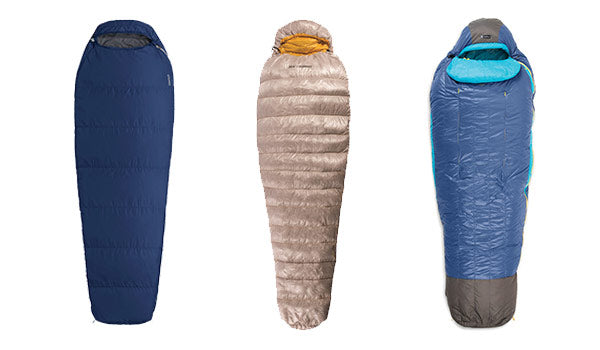
Have you ever wondered what a 30 degree sleeping bag really means for your comfort and safety outdoors? Choosing the right sleeping bag can make or break your camping experience, especially when the temperature drops at night.
Understanding the meaning behind that “30 degree” label helps you decide if it’s the perfect fit for your trip. Keep reading to discover exactly what this number means and how it affects your warmth, so you can sleep soundly no matter where you are.
Sleeping Bag Temperature Ratings
Sleeping bag temperature ratings show how cold it can get before you feel cold inside the bag. These ratings help you pick the right bag for your trip. A 30 degree sleeping bag means it can keep you warm in temperatures around 30 degrees Fahrenheit.
Knowing how these ratings work is important for safety and comfort. Different standards exist, so the numbers may not always mean the same thing.
How Temperature Ratings Work
Temperature ratings are tested under specific conditions. They show the lowest temperature at which a person can sleep comfortably. Ratings do not guarantee comfort for everyone since people feel cold differently.
- Comfort rating: Lowest temperature a cold sleeper can handle.
- Limit rating: Lowest temperature a warm sleeper can handle.
- Extreme rating: Lowest temperature the bag protects from frostbite.
Different Rating Standards
Different countries and brands use different rating systems. This can cause confusion when buying sleeping bags from various places.
| Standard | Used By | Description |
|---|---|---|
| EN 13537 | Europe | Tests bags with a standard man and woman to find comfort and limit. |
| ISO 23537 | International | Similar to EN 13537 with updated testing methods. |
| ASTM F1720 | USA | Uses a heated manikin to test insulation and temperature ratings. |
What 30 Degree Rating Indicates
A 30 degree sleeping bag is designed to keep you warm in temperatures as low as 30 degrees Fahrenheit. This rating is crucial for outdoor enthusiasts.
Understanding these ratings helps in choosing the right sleeping bag for your camping needs. Let’s explore what comfort, limit, and extreme ratings mean.
Comfort Range Explained
The comfort range is the temperature at which a person feels warm. It’s often the most useful rating for casual campers.
- Comfort range is ideal for mild weather camping.
- Best suited for those who feel cold easily.
- Provides a cozy night’s sleep without extra layers.
Limit Rating
The limit rating is the lowest temperature at which a sleeping bag will keep an average person warm. It’s a critical factor for seasoned campers.
| Rating Type | Temperature |
| Comfort | 30°F |
| Limit | 20°F |
| Extreme | 0°F |
Extreme Ratings
The extreme rating indicates the lowest temperature that a sleeping bag can handle. It’s meant for survival, not comfort.
Factors Affecting Sleeping Bag Warmth
Sleeping bags have ratings that show how warm they can keep you. The 30 degree label tells you the temperature they are best for. Many things affect how warm a sleeping bag feels. Knowing these helps you pick the right one.
This guide explains key factors that change sleeping bag warmth. These include insulation types, the shape and material of the bag, and your own body and clothes.
Insulation Types
Insulation keeps heat inside your sleeping bag. There are two main types: down and synthetic. Each type has pros and cons that affect warmth and comfort.
- Down insulationuses bird feathers. It is very warm and compresses small. It loses warmth if it gets wet.
- Synthetic insulationuses man-made fibers. It stays warm when wet and dries faster. It is usually heavier and bulkier.
- Hybrid insulationcombines down and synthetic for balanced warmth and durability.
Bag Shape And Material
The shape and material of the sleeping bag affect heat retention. Some shapes hold heat better than others. The shell fabric also matters for wind and water resistance.
| Bag Shape | Warmth Effect |
|---|---|
| Mummy | Tight fit reduces air space and keeps heat close. |
| Rectangular | More room but can lose heat faster. |
| Semi-rectangular | Balance between warmth and comfort. |
| Shell Material | Windproof and water-resistant fabrics keep warmth in. |
User Metabolism And Clothing
Your body heat and clothes impact how warm the sleeping bag feels. People with higher metabolism generate more heat. Wearing layers inside the bag can add warmth.
- Eat a good meal before sleeping to boost body heat.
- Wear dry, insulating clothes like thermal underwear.
- Avoid sweating inside the bag to keep insulation effective.

Credit: www.gearx.com
Choosing The Right Sleeping Bag
Choosing a sleeping bag means picking the right one for your trips. You want to stay warm and comfortable all night.
Understanding what a 30 degree sleeping bag means helps you decide if it fits your needs. This guide will help you choose well.
Matching Bag To Season
A 30 degree sleeping bag is rated to keep you warm in temperatures down to 30 degrees Fahrenheit. It is good for mild to cool weather.
- Spring and fall camping often fits this temperature range.
- Not best for very cold winter nights.
- Too warm for hot summer nights.
- Check the temperature ratings before buying.
Considering Your Sleep Environment
Your sleep environment affects the type of sleeping bag you need. Think about where and how you will camp.
| Sleep Environment | Bag Choice | Reason |
| Wooded Campsite | 30 Degree Bag | Moderate night temps with some wind |
| Mountain Camping | Lower Temp Bag | Colder and windier conditions |
| Summer Campsite | Lightweight Bag | Warmer nights, less insulation needed |
| Car Camping | Any Bag | Easy access to extra layers |
Tips For Maximizing Comfort
Understanding what a 30 degree sleeping bag means helps you stay warm at night. It means the bag is designed to keep you comfortable in temperatures around 30 degrees Fahrenheit.
Using the right accessories and care methods will make your sleep better. Below are tips to help you get the most comfort from your sleeping bag.
Using Sleeping Pads
Sleeping pads add insulation between you and the cold ground. They keep warmth inside your sleeping bag and make the surface softer.
- Choose a pad with good insulation value (R-value) for cold weather.
- Use an inflatable or foam pad for extra cushioning.
- Place the pad under your sleeping bag to avoid heat loss.
- Check for leaks before your trip to keep the pad firm and warm.
Layering Techniques
Layering your clothes and sleeping bag liner helps trap heat. It also lets you adjust warmth during changing temperatures.
| Layer | Purpose | Tips |
| Base Layer | Wicks moisture away | Wear tight-fitting thermal underwear |
| Mid Layer | Retains body heat | Use fleece or wool sweaters |
| Sleeping Bag Liner | Adds warmth | Choose fleece or silk liners |
| Outer Layer | Protects from wind and cold | Keep your sleeping bag zipped up fully |
Proper Bag Care
Taking care of your sleeping bag keeps it warm and lasting longer. Clean and store it the right way to keep its insulation working well.
- Air out the bag after each use to dry moisture.
- Wash the bag only when needed with a gentle cleaner.
- Store the bag loose in a large sack or hang it to keep loft.
- Repair small tears or broken zippers quickly to prevent damage.

Credit: www.gearx.com

Credit: www.gearx.com
Frequently Asked Questions
What Does 30 Degree Sleeping Bag Temperature Rating Mean?
A 30 degree sleeping bag rating means it keeps you warm at 30°F (-1°C). It suits mild cold weather camping and early spring or fall trips.
Is A 30 Degree Sleeping Bag Good For Winter Camping?
A 30 degree bag works for mild winters but not extreme cold. For harsh winter, choose bags rated 0°F or below for better warmth.
How To Choose A Sleeping Bag With 30 Degree Rating?
Select a 30 degree bag if you camp in temperatures around 30°F. Consider insulation type, weight, and fit for comfort and warmth.
Can A 30 Degree Sleeping Bag Be Used In Summer?
Yes, a 30 degree bag can be used in cooler summer nights. It might be too warm in hot climates but good for mountain or coastal trips.
Conclusion
A 30 degree sleeping bag means it keeps you warm down to about 30°F. It fits mild to cool weather camping. Choosing the right bag helps you sleep well outdoors. Remember, this rating is a guide, not a guarantee. Check other features like size and weight too.
Understanding this helps you pick the best sleeping bag. Stay comfortable and enjoy your camping trips. Simple and smart choices make your adventure better.