Are you planning your next outdoor adventure and wondering what a “3 season tent” really means? Choosing the right tent can make or break your trip, especially when the weather is unpredictable.
Understanding what a 3 season tent offers will help you stay comfortable, dry, and safe during spring, summer, and fall camping trips. Keep reading to discover how this type of tent can protect you from the elements without weighing you down, so you can enjoy your time outdoors with confidence.
3 Season Tent Basics
A 3 season tent is made for use in spring, summer, and fall. It works well in mild weather and light rain.
These tents offer good ventilation and protect campers from bugs and some wind. They are not for heavy snow or strong storms.
Seasonal Suitability
3 season tents are designed to handle moderate weather conditions. They keep you safe in rain and wind but not in harsh winter.
They work best from early spring to late fall. Snow and heavy storms can damage these tents.
- Spring: Protects from rain and mild wind
- Summer: Offers good airflow and bug protection
- Fall: Keeps out rain and cool breeze
Key Features
3 season tents have features that balance comfort and weather resistance. They use lightweight materials and good ventilation.
These tents include waterproof fabrics and mesh panels. They are easy to carry and set up for most campers.
- Water-resistant rainfly and floor
- Mesh windows and panels for airflow
- Lightweight frame and materials
- Good wind resistance but not for heavy snow
- Roomy enough for comfort without extra weight
Materials And Construction
A 3 season tent is made to handle spring, summer, and fall conditions. It offers good protection from rain and wind while staying light and breathable.
Understanding the materials and construction helps you choose a tent that fits your outdoor needs. This section covers fabric types and frame designs used in 3 season tents.
Fabric Types
3 season tents use fabrics that balance durability, weather resistance, and weight. Common fabric choices include nylon and polyester.
- Nylon:Lightweight and strong. It dries quickly but may stretch when wet.
- Polyester:More UV resistant than nylon. It keeps shape well and resists stretching.
- Ripstop Fabrics:These have extra threads woven in to prevent tears from spreading.
- Waterproof Coatings:Silicone or polyurethane coatings help keep water out while allowing breathability.
Frame Designs
The frame holds the tent shape and supports it in wind and rain. 3 season tents often use flexible poles made from lightweight materials.
| Frame Type | Material | Benefits |
|---|---|---|
| Aluminum Poles | Metal alloy | Strong, lightweight, durable |
| Fiberglass Poles | Glass fibers | Less expensive, flexible but heavier |
| Carbon Fiber Poles | Carbon fibers | Very light and strong, premium option |
Weather Performance
A 3 season tent is designed for spring, summer, and fall. It handles different weather conditions during these seasons.
Its main purpose is to provide shelter from rain, wind, and moderate temperatures. Let’s explore each aspect of its weather performance.
Rain Protection
3 season tents are built to keep you dry. They have a waterproof rainfly and sealed seams.
The rainfly covers the tent, preventing water from entering. It also offers a vestibule for storing wet gear outside the tent.
- Waterproof rainfly shields the tent
- Sealed seams block water entry
- Vestibule for wet gear storage
Wind Resistance
These tents are designed to withstand winds. They have sturdy poles and guy lines for stability.
Using stakes and proper setup, the tent remains secure in windy conditions. The aerodynamic shape reduces wind impact.
- Sturdy poles for strong winds
- Guy lines enhance stability
- Aerodynamic shape minimizes wind impact
Temperature Control
3 season tents offer good ventilation. Mesh panels allow airflow while keeping bugs out.
The ventilation helps control temperature inside the tent. It prevents overheating during warm weather.
- Mesh panels for airflow
- Prevents overheating
- Keeps bugs out
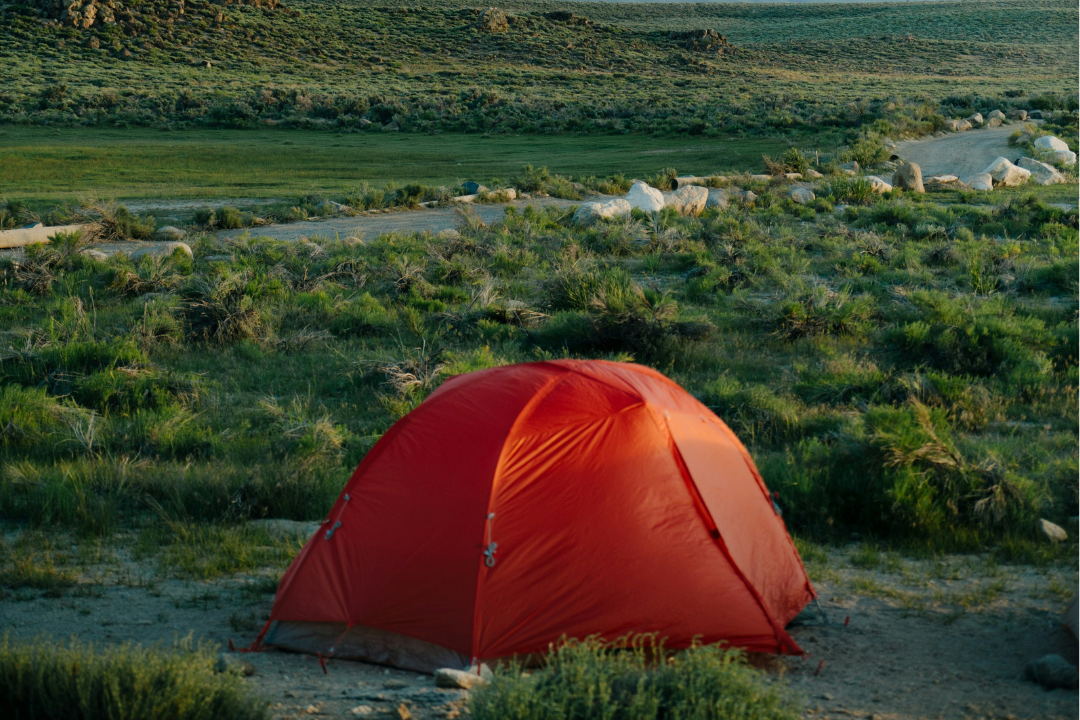
Credit: www.sail.ca
Comparing Tent Seasons
Tents come in different types for various weather conditions. Choosing the right tent season helps you stay comfortable and safe outdoors.
This guide compares 3 season tents with 4 season and summer tents. It explains the differences to help you pick the best option.
3 Season Vs 4 Season
3 season tents work well in spring, summer, and fall. They offer good ventilation and keep you dry in rain and light snow.
4 season tents are built for winter and harsh weather. They have stronger poles and less mesh to block wind and heavy snow.
| Feature | 3 Season Tent | 4 Season Tent |
| Weather Suitability | Spring to Fall | Winter and Harsh Conditions |
| Weight | Lighter | Heavier |
| Ventilation | High | Low |
| Frame Strength | Moderate | Strong |
| Snow Handling | Light Snow | Heavy Snow |
3 Season Vs Summer Tents
Summer tents are designed for warm weather. They use mostly mesh to allow airflow and keep you cool.
3 season tents offer more protection. They have rain flies and less mesh to shield you from rain and bugs.
- Summer tents focus on breathability.
- 3 season tents balance protection and ventilation.
- 3 season tents handle rain better than summer tents.
- Summer tents are usually lighter than 3 season tents.
Choosing The Right 3 Season Tent
A 3 season tent is made for spring, summer, and fall camping. It protects you from rain, wind, and bugs. It is not for heavy snow or extreme cold.
Choosing the right tent means thinking about your trip. You need to consider size, weight, and airflow. These features affect your comfort and safety.
Capacity And Size
Choose a tent size based on how many people will use it. Also think about extra space for gear and movement inside.
A tent too small feels crowded. A tent too big can be heavy and hard to carry. Pick a size that fits your group and gear.
- 1-person tents for solo campers
- 2-person tents for couples or solo with extra gear
- 3-4 person tents for small groups or families
Weight And Portability
Light tents are easier to carry on long hikes. Heavy tents may be better for car camping. Think about how you will travel.
Materials like aluminum poles and lightweight fabrics reduce weight. Check the packed size to see if it fits your backpack.
- Ultralight tents weigh less than 3 pounds
- Midweight tents weigh 3 to 6 pounds
- Heavier tents weigh more than 6 pounds
Ventilation Features
Good airflow helps reduce condensation inside the tent. Look for tents with mesh panels and vents. These keep air moving.
Some tents have adjustable vents to control airflow. Proper ventilation makes your tent more comfortable in warm weather.
- Mesh doors and windows for bug protection and airflow
- Roof vents to let hot air escape
- Adjustable openings for different weather

Credit: www.rei.com
Care And Maintenance Tips
A 3 season tent is designed for spring, summer, and fall use. Proper care helps your tent last longer and stay reliable.
Follow simple steps to keep your tent clean, store it safely, and fix small problems early.
Cleaning
Clean your tent after each trip to remove dirt, dust, and bugs. Use mild soap and water only.
Do not use harsh chemicals or a washing machine. Hand wash gently with a soft cloth or sponge.
- Set up the tent outside
- Use a soft brush to remove loose dirt
- Mix mild soap with water for cleaning
- Rinse well with clean water
- Let the tent air dry fully before packing
Storage
Store your tent in a cool, dry place to avoid mold and mildew. Keep it away from direct sunlight and heat.
Do not store your tent wet or folded tightly for long periods. Instead, keep it loosely packed and dry.
- Dry the tent completely before storing
- Use a large storage bag or sack
- Store in a breathable container, not plastic
- Keep away from sharp objects and pests
Repairs
Fix small tears or holes quickly to prevent bigger damage. Use repair patches made for tents.
Check zippers and poles regularly. Replace or repair broken parts to keep your tent safe and stable.
- Clean damaged area before repair
- Use tent repair tape or patches
- Follow product instructions for best results
- Carry a repair kit on camping trips
- Replace broken poles or zipper parts promptly

Credit: alpkit.com
Frequently Asked Questions
What Is A 3 Season Tent Used For?
A 3 season tent is designed for spring, summer, and fall camping. It handles mild rain, wind, and moderate weather. It offers good ventilation and protection from insects, but it’s not suitable for heavy snow or extreme cold.
How Does A 3 Season Tent Differ From Others?
3 season tents balance weight, ventilation, and weather protection. They are lighter than 4 season tents and more durable than 2 season tents. They provide comfort in most conditions except severe winter storms or heavy snowfall.
Can You Use A 3 Season Tent In Winter?
3 season tents are not ideal for harsh winter conditions. They lack the insulation and structural strength for heavy snow or freezing winds. For winter camping, a 4 season tent is recommended to ensure safety and warmth.
What Materials Are Common In 3 Season Tents?
3 season tents typically use lightweight nylon or polyester fabrics. They feature waterproof coatings like polyurethane or silicone for rain protection. Mesh panels are common for ventilation and to keep bugs out during warmer months.
Conclusion
A 3 season tent offers comfort in spring, summer, and fall. It keeps you dry from rain and cool in warm weather. The tent protects against bugs and light wind. Not made for heavy snow or extreme cold. Choosing the right tent helps you enjoy outdoor trips safely.
Know your needs before buying. A good 3 season tent makes camping easier and more fun. Simple, strong, and reliable for most weather conditions. Perfect for many outdoor adventures without extra weight or cost.