
Have you ever noticed strange noises coming from your air conditioner? If your AC is making unusual sounds, it could be a sign that the compressor is failing.
Knowing what a bad air conditioner compressor sounds like can save you from a costly breakdown. You’ll learn how to spot these warning sounds early, so you can protect your home’s comfort and avoid unexpected repairs. Keep reading to find out exactly what to listen for and what steps you should take next.

Credit: acplushvac.com
Common Noises From Ac Compressors
Your air conditioner compressor may make noises when it is not working well. These sounds can warn you of problems inside the unit.
Knowing the common noises helps you decide if you need to call a technician. Listen carefully to your AC compressor to catch any unusual sounds early.
Grinding Sounds
Grinding sounds come from metal parts rubbing without enough lubrication. This noise means parts inside the compressor are worn or damaged.
If you hear grinding, it can mean the compressor bearings or motor are failing. This noise should not be ignored because it can cause bigger damage.
Hissing Or Bubbling
Hissing or bubbling sounds often come from refrigerant leaks or pressure changes. These noises can mean the AC is losing coolant.
Leaks reduce cooling power and can harm the environment. It is important to fix hissing or bubbling sounds quickly to avoid bigger issues.
Clanking Or Banging
Clanking or banging noises are loud impacts inside the compressor. These sounds usually mean loose or broken parts hit each other.
This noise can come from the compressor motor or fan hitting other parts. It is a sign of serious mechanical problems needing fast repairs.
Clicking Or Tapping
Clicking or tapping sounds are usually caused by electrical issues or the compressor starting and stopping. These noises can mean a faulty relay or thermostat.
Repeated clicking can also point to a worn-out start capacitor. Watch for these sounds to keep your AC running smoothly.
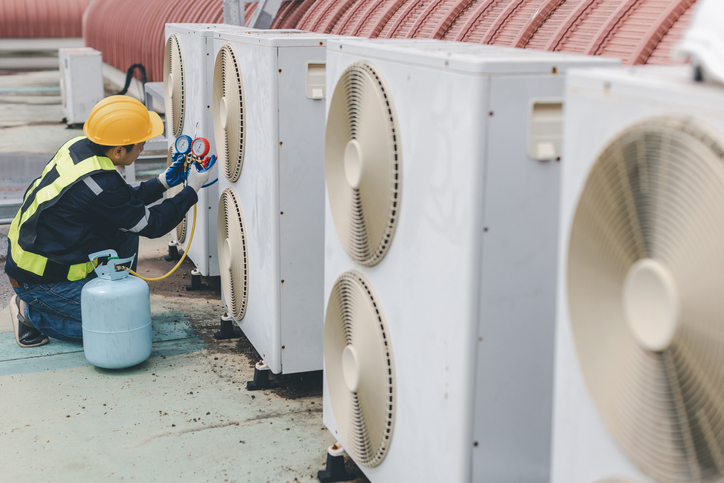
Credit: www.airsupplyacandheat.com
Causes Behind Noisy Compressors
A noisy air conditioner compressor can signal a problem. It often means the compressor is working harder than normal. Understanding the causes helps you fix the issue early.
Noisy compressors can make loud rattling, buzzing, or grinding sounds. These sounds come from different parts inside the unit. Here are common reasons for these noises.
Worn Bearings
Bearings help the compressor motor spin smoothly. Over time, bearings wear out. This wear causes grinding or squealing noises. If ignored, it can lead to compressor failure.
Signs of worn bearings include:
- Grinding or scraping sounds
- Vibrations during operation
- Compressor overheating
Refrigerant Leaks
Leaking refrigerant can cause the compressor to make hissing or bubbling sounds. The loss of refrigerant reduces cooling power. It also forces the compressor to run longer and louder.
| Symptom | Effect on Compressor |
| Hissing sound | Loss of refrigerant pressure |
| Longer running times | Increased wear and noise |
| Reduced cooling | Compressor strain |
Electrical Issues
Faulty wiring or a bad capacitor can cause buzzing or clicking noises. These electrical problems stop the compressor from starting properly. They may also cause it to shut off suddenly.
- Buzzing sounds from the motor
- Clicking noises before compressor starts
- Intermittent compressor operation
Debris And Blockages
Dirt, leaves, or small objects can get inside the compressor area. These blockages cause rattling or knocking noises. They can stop the fan or motor from working correctly.
| Type of Debris | Possible Noise | Effect |
|---|---|---|
| Leaves | Rattling | Fan obstruction |
| Small stones | Knocking | Damage to blades |
| Dirt buildup | Grinding | Motor strain |
Risks Of Ignoring Compressor Sounds
Your air conditioner’s compressor can make strange noises when it has problems. Ignoring these sounds can lead to serious issues. It is important to understand the risks to avoid bigger damage.
Bad compressor sounds might seem small at first. But if you do nothing, your cooling system might stop working well or break down completely.
Reduced Cooling Efficiency
When the compressor makes bad noises, it often means it is not working properly. This lowers the air conditioner’s ability to cool your home well.
You might notice the air feels warmer, or it takes longer to reach the right temperature. This means your system is struggling to keep you cool.
Higher Energy Bills
A compressor that is failing uses more electricity. It works harder to cool your home but does not do it efficiently. This wastes energy and raises your bills.
Ignoring strange sounds can lead to bigger problems that cost even more in energy. Paying attention early can save money on power bills.
Potential System Failure
Bad sounds from the compressor might mean parts are damaged or worn out. If these issues are ignored, the whole air conditioner can stop working.
System failure can happen without warning. This leaves you without cooling during hot weather, which can be very uncomfortable.
Costly Repairs
Small compressor problems can turn into big repairs if ignored. Fixing or replacing the compressor costs more money than early maintenance.
Regular checks and fixing strange noises early helps avoid expensive repair bills and keeps your air conditioner running longer.
How To Diagnose Compressor Problems
A bad air conditioner compressor often makes strange noises. These sounds can help you find problems early. Knowing what to listen for helps with timely repairs.
Besides sounds, you can check the compressor visually and use tools. Each method gives clues about the health of your AC compressor.
Listening Tips
Bad compressors make unusual sounds that differ from normal operation. Listen carefully for these warning noises:
- Loud banging or clanking sounds
- Hissing or bubbling noises
- Grinding or scraping sounds
- Continuous clicking or rattling
- High-pitched squealing or whining
Visual Inspections
Look at the compressor and its parts for signs of damage or leaks. Visual checks can spot issues before they worsen.
| Inspection Area | What to Look For |
| Compressor body | Cracks, rust, or oil stains |
| Electrical connections | Loose wires or burnt marks |
| Refrigerant lines | Leaks or damaged insulation |
| Mounting base | Loose bolts or vibration damage |
Using Diagnostic Tools
Tools help confirm compressor problems by measuring performance and conditions. Use these common tools:
- Multimeter to check electrical current and voltage
- Manifold gauge to measure refrigerant pressure
- Clamp meter for motor amperage
- Thermometer for temperature differences
- Leak detector for finding refrigerant leaks
When To Call A Professional
A bad air conditioner compressor makes unusual noises that may mean serious problems. It is important to know when to get expert help. Some issues are not safe or easy to fix on your own.
Calling a professional technician can prevent more damage and save money in the long run. They have the skills and tools to diagnose and repair the compressor safely.
Signs You Can’t Fix
If your air conditioner compressor makes loud banging, rattling, or screeching sounds, it may be broken inside. Strange noises often mean worn bearings or loose parts that need expert repair.
- The unit fails to start or stops suddenly.
- You smell burning or hear a buzzing noise.
- There is visible oil or refrigerant leaking.
- The air conditioner blows warm air despite running.
- Frequent cycling on and off happens without cooling.
These signs point to serious compressor or electrical issues. Avoid trying to fix them yourself to prevent injury or further damage.
Choosing A Reliable Technician
Finding the right technician ensures your air conditioner gets proper care. Look for experts with good experience and fair pricing.
| Factor | What to Check |
| Licensing | Valid license to work on AC systems |
| Experience | Years working with air conditioner compressors |
| Reviews | Positive customer feedback and ratings |
| Warranty | Guarantee on parts and labor |
| Availability | Quick response and flexible scheduling |
Ask questions about their process and estimate before agreeing to the repair. A good technician explains the problem clearly and offers solutions.
Preventing Compressor Noise Issues
Air conditioner compressors can make strange sounds when they have problems. These noises often mean the compressor needs care. You can stop noise by taking good care of your AC.
Preventing compressor noise starts with simple steps. Regular checks and cleaning help keep the compressor quiet. Quick repairs stop small issues from growing.
Regular Maintenance
Check your air conditioner often. Look for loose parts or dirt. Tighten any loose screws and bolts. Replace worn-out parts fast to avoid noise. Regular maintenance helps the compressor run smoothly and quietly.
Cleaning And Lubrication
Clean the compressor and its parts to remove dust and grime. Dirt can cause friction and noise. Lubricate moving parts as the manual says. Proper lubrication reduces wear and noise.
- Turn off power before cleaning
- Use a soft brush or cloth
- Apply oil to bearings and motor shafts
- Check for clogged air filters
- Keep surrounding area clean
Timely Repairs
Fix noises as soon as you hear them. Delays can cause bigger damage and louder sounds. Replace damaged compressors or parts quickly. Use a table below to track common noises and fixes.
| Noise Type | Possible Cause | Repair Action |
| Grinding | Worn bearings | Replace bearings |
| Humming | Electrical issues | Check wiring and capacitor |
| Clicking | Relay problems | Replace relay |
| Rattling | Loose parts | Tighten bolts and screws |

Credit: airdocsac.com
Frequently Asked Questions
What Noise Indicates A Failing Air Conditioner Compressor?
A failing air conditioner compressor often makes a loud rattling or banging noise. These sounds suggest loose or damaged internal components. If you hear hissing or screeching, it might indicate a refrigerant leak or pressure problem. Regular maintenance can help prevent such issues.
Why Does My Ac Compressor Make Humming Sounds?
A humming sound from your AC compressor could mean electrical issues or motor failure. It may also indicate a capacitor problem. If the compressor hums but doesn’t start, it might be stuck. Timely inspection by a professional can prevent further damage.
Can A Bad Compressor Cause Screeching Noises?
Yes, a bad compressor can cause screeching noises, often due to belt issues. The screeching sound can also result from high internal pressure or motor problems. It’s crucial to address these noises promptly to avoid further damage and ensure efficient cooling.
Is A Clicking Sound From The Compressor Normal?
A clicking sound from the compressor can be normal during startup. However, continuous clicking may indicate relay or electrical issues. It’s essential to differentiate between normal operational sounds and those indicating problems. Consulting a technician can help identify and resolve the issue.
Conclusion
A bad air conditioner compressor often makes strange noises. These sounds can include grinding, rattling, or hissing. Such noises usually mean the compressor needs repair or replacement. Ignoring these signs can cause bigger problems and higher costs. Act quickly to avoid a full system breakdown.
Regular maintenance helps keep your AC running smoothly. Listen carefully to your AC for unusual sounds. Taking early action saves money and keeps you cool. Don’t wait until the noise gets worse. Stay alert and protect your home’s comfort.