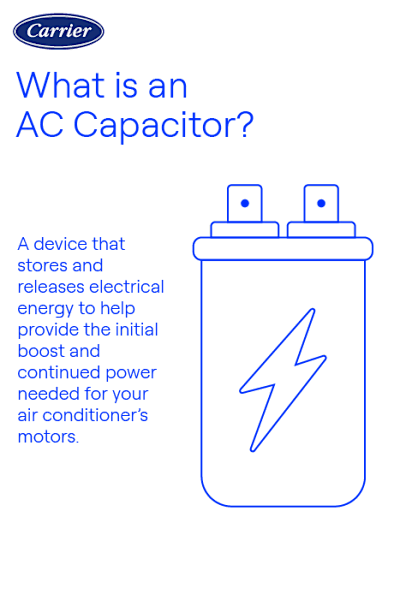
Have you ever wondered why your air conditioner sometimes struggles to start or cool your home properly? The answer might lie in a small but powerful part called the capacitor.
This tiny component plays a crucial role in keeping your AC running smoothly and efficiently. Understanding what a capacitor does for your air conditioner can help you spot problems early and save money on repairs. Keep reading to discover how this simple device impacts your comfort and what signs to watch for to keep your AC in top shape.
Role Of Capacitors In Air Conditioners
A capacitor helps the air conditioner’s motor start quickly. It stores electrical energy and gives a strong push to the compressor motor. This push gets the motor running smoothly and fast.
Capacitors keep the motor working well. They balance the electric current, so the motor does not use too much power. This saves energy and stops the motor from getting too hot.
The fan needs a capacitor too. It helps the fan spin at the right speed. This keeps the air moving and cools the room better.

Credit: www.amazon.ca
Types Of Capacitors Used
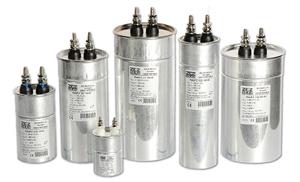
Start capacitorsprovide a large boost of energy to help the air conditioner’s motor start. They work only for a short time during startup. Without them, the motor might struggle to begin running.
Run capacitorskeep the motor running smoothly after it starts. They provide a steady flow of energy to maintain the motor’s speed and efficiency. These capacitors run all the time the AC unit is on.
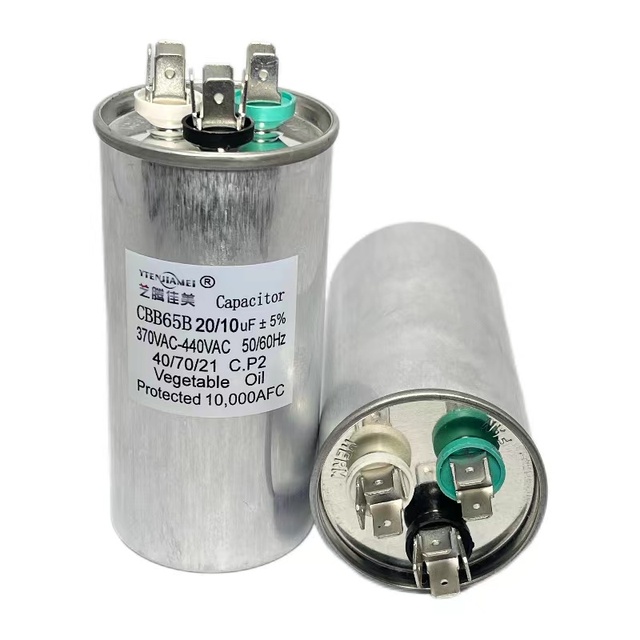
Dual capacitorscombine the functions of start and run capacitors in one unit. They save space and reduce wiring. Many modern air conditioners use dual capacitors for simplicity and cost-effectiveness.
Benefits Of Capacitors In Ac Systems
Capacitorshelp air conditioners use less energy. They store and release electric power quickly. This makes the AC run more smoothly and saves electricity.
By easing the work of the AC motor, capacitors help extend the lifeof the equipment. The motor faces less stress, so parts last longer and need fewer repairs.
Capacitors also improve how well the AC cools your home. They keep the motor running at the right speed. This leads to better and faster cooling, making your space more comfortable.
Signs Of Capacitor Problems
Unusual noiseslike buzzing or humming often signal capacitor issues. These sounds come from the motor struggling to start or run properly. Strange noises should not be ignored as they can lead to bigger problems.
AC not startingis a common sign of a bad capacitor. The capacitor helps the motor start. Without it, the air conditioner may fail to turn on or take longer to start.
Intermittent coolingmeans the air conditioner works sometimes but stops at other times. A faulty capacitor can cause the motor to stop and start, leading to uneven cooling. This makes your home uncomfortable and wastes energy.
Replacing And Maintaining Capacitors
Safety is keywhen replacing capacitors. Always turn off powerto the air conditioner. Use insulated tools and wear gloves to avoid electric shocks. Never touch capacitor terminals directly; they can hold charge even after power is off.
| Signs to Replace Capacitor |
|---|
| Air conditioner won’t start or runs slow |
| Humming noise from the unit |
| Visible bulging or leaking on capacitor |
| Unit frequently shuts off |
- Check capacitor for damage every season.
- Keep unit clean and dry to prevent corrosion.
- Test capacitor with a multimeter for proper microfarad rating.
- Schedule professional check-ups yearly.
Credit: www.apogeeweb.net
Credit: www.accio.com
Frequently Asked Questions
What Is The Role Of A Capacitor In An Air Conditioner?
A capacitor stores electrical energy to help start and run the AC motor efficiently. It provides the initial boost needed for the compressor and fan motors to operate smoothly.
How Does A Capacitor Affect Air Conditioner Performance?
A good capacitor ensures stable voltage supply, improving motor function. This results in better cooling and energy efficiency in your air conditioner.
Can A Faulty Capacitor Damage An Air Conditioner?
Yes, a bad capacitor can cause the motor to fail or overheat. This may lead to costly repairs or complete AC breakdown if not replaced promptly.
How Often Should Air Conditioner Capacitors Be Replaced?
Capacitors typically last 5 to 10 years but should be inspected yearly. Replace them if they show signs of wear or the AC struggles to start.
Conclusion
Understanding a capacitor’s role in an air conditioner is crucial. It stores and releases energy. This helps start the motor. Without it, your AC struggles. Efficiency drops. Energy bills rise. Regular checks ensure it works well. Faulty capacitors lead to system failure.
Prevent costly repairs. Extend your AC’s life. Know the signs of a bad capacitor. Buzzing sounds or no cooling? Time to call a technician. Keep your air conditioner in top shape. Enjoy cool comfort all summer. Remember, a little knowledge goes a long way.
Stay informed, stay cool.