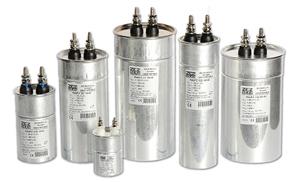
Have you ever wondered what keeps your air conditioner running smoothly, especially on those scorching hot days? One small but powerful part inside your AC unit plays a huge role in making sure cool air flows when you need it most.
That part is the capacitor. Understanding what a capacitor does on your air conditioner can help you spot problems early and save you from costly repairs. Keep reading to discover how this tiny component works and why it’s so important for your comfort.

Credit: www.reddit.com
Role Of Capacitors In Air Conditioners
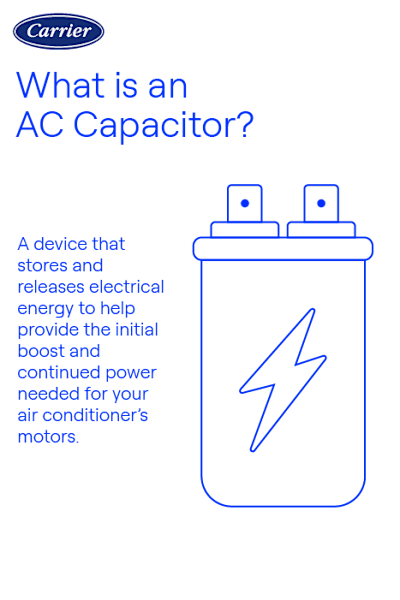
Capacitors are small devices inside air conditioners. They store electrical energy and release it when needed. This helps the air conditioner start and run smoothly.
Without capacitors, the motor and fan in the air conditioner would not work properly. Capacitors keep the system efficient and reliable.
Start And Run Capacitors
Air conditioners use two types of capacitors: start capacitors and run capacitors. Start capacitors give a big boost to the motor when the unit turns on. Run capacitors help the motor keep working smoothly.
Start capacitors work for a short time only. Run capacitors stay active as long as the air conditioner runs. Both types are important for proper motor function.
How Capacitors Support The Compressor
The compressor is the heart of an air conditioner. It compresses refrigerant to cool the air. Capacitors provide the extra power the compressor motor needs to start.
Capacitors also help the compressor run steadily. This reduces wear and saves energy. Without capacitors, the compressor might overheat or fail.
Capacitor’s Impact On Fan Operation
The fan moves air over the cooling coils. Capacitors give the fan motor the energy to start quickly. They also keep the fan running at a steady speed.
If a capacitor fails, the fan may run slowly or stop. This can cause poor cooling and damage to the air conditioner.
Credit: www.carrier.com
Types Of Capacitors In Ac Units
Capacitors are key parts of air conditioners. They help start and run motors inside the unit.
Different types of capacitors fit different AC designs. Knowing these types can help with repairs.
Single Capacitor Vs Dual Capacitor
Single capacitors have one function. They either start the compressor or the fan motor.
Dual capacitors combine two functions in one unit. They support both the compressor and fan motor.
- Single capacitor is simpler and less costly.
- Dual capacitor saves space and wiring.
- Dual capacitors can fail in one part but still run the other.
- Single capacitors need separate units for compressor and fan.
Common Capacitor Ratings
Capacitors have ratings that show how much charge they hold and their working voltage.
| Rating | Meaning | Common Values |
|---|---|---|
| Microfarads (µF) | Charge capacity | 5, 10, 35, 45, 70 |
| Voltage (V) | Max working voltage | 370V, 440V, 465V |
| Temperature Rating | Heat resistance | 85°C, 105°C |
Signs Of A Failing Capacitor
A capacitor helps start the air conditioner’s motors. It stores and releases electricity quickly.
If the capacitor fails, the AC might stop working well or not start at all.
Common Symptoms
A failing capacitor causes several clear signs. The AC may make strange noises or take longer to start.
You might notice the fan running slowly or not at all. The AC could also shut off suddenly.
- Humming or buzzing sounds from the outdoor unit
- Air conditioner fails to start or starts slowly
- Fan blades turning slower than usual
- Frequent shutting off of the AC unit
- Visible signs of damage on the capacitor like bulging or leaking
Effects On Cooling Performance
A bad capacitor reduces the air conditioner’s cooling power. The unit works harder but cools less.
This leads to higher energy bills and uneven temperatures in the room.
- The AC takes longer to reach the set temperature
- Rooms feel warmer even when the AC runs
- Airflow is weaker due to slow fan speed
- The compressor may overheat or fail early

Credit: www.amazon.ca
Testing And Replacing Capacitors
A capacitor helps start and run the air conditioner’s motor. It stores energy and releases it when needed. Over time, capacitors can fail and cause problems.
Testing and replacing a capacitor is important to keep your air conditioner working well. You need some tools and safety steps to do this job right.
Tools Needed For Testing
To test a capacitor, you need the right tools to check if it works properly. These tools help you measure electric charge safely.
- Multimeter with capacitance setting
- Insulated screwdriver
- Needle-nose pliers
- Safety gloves
- Voltage tester
Step-by-step Replacement Process
Replacing a capacitor needs careful steps. Follow these to do the job safely and correctly.
- Turn off power to the air conditioner at the breaker.
- Use a voltage tester to confirm no power is present.
- Remove the service panel to access the capacitor.
- Note the wire connections or take a photo.
- Discharge the capacitor using an insulated screwdriver.
- Disconnect wires using needle-nose pliers.
- Remove the old capacitor from its bracket.
- Install the new capacitor and reconnect wires.
- Replace the service panel and restore power.
- Test the air conditioner to ensure it runs well.
Safety Tips During Replacement
| Safety Tip | Reason |
|---|---|
| Always turn off power at breaker | Prevents electric shock |
| Use insulated tools | Avoids accidental contact with live parts |
| Wear safety gloves | Protects hands from sharp edges and electric shock |
| Discharge capacitor before touching | Stops stored electricity from causing shock |
| Check voltage with tester twice | Ensures no power is flowing |
Maintaining Capacitors For Longevity
Capacitors are key parts of an air conditioner. They help start and run the motor. Taking care of them helps your AC work well longer.
Regular checks and avoiding bad conditions keep capacitors in good shape. This lowers repair costs and stops breakdowns.
Regular Inspection Tips
Check capacitors often to spot damage early. Look for bulges, leaks, or cracks on the capacitor body. These signs mean it may fail soon.
- Turn off power before inspecting the capacitor.
- Use a multimeter to test the capacitance value.
- Clean dust and debris around the capacitor.
- Listen for humming sounds that may show problems.
- Replace capacitors every 5 to 7 years or as recommended.
Environmental Factors Affecting Capacitors
Capacitors face heat, moisture, and dirt. These factors shorten their life and cause failures.
| Factor | Effect on Capacitor |
| High Temperature | Speeds up wear and may cause bulging |
| Moisture | Leads to corrosion and electrical shorts |
| Dirt and Dust | Blocks cooling and causes overheating |
| Vibration | Can damage capacitor connections |
Frequently Asked Questions
What Role Does A Capacitor Play In An Air Conditioner?
A capacitor stores and releases electrical energy to start and run the AC motor. It helps the compressor and fan motors work efficiently. Without it, the AC may not start or run properly, causing performance issues or damage.
How Does A Capacitor Affect Air Conditioner Performance?
A capacitor ensures smooth motor operation by providing the right power boost. It maintains consistent cooling and energy efficiency. A faulty capacitor can cause weak airflow, noisy motors, or frequent system shutdowns.
Can A Bad Capacitor Damage An Air Conditioner?
Yes, a failing capacitor can cause motors to overheat or fail. This leads to expensive repairs or a complete AC breakdown. Early capacitor replacement prevents further damage and extends the air conditioner’s lifespan.
How To Identify A Failing Ac Capacitor?
Signs include slow or no fan start, humming noises, and warm air output. Visual checks may show bulging or leaking capacitors. Prompt diagnosis and replacement restore proper AC function and efficiency.
Conclusion
A capacitor helps your air conditioner start and run smoothly. It stores and releases energy to power the motor. Without it, the AC might not work properly or could stop suddenly. Checking the capacitor can prevent many common problems. Understanding this small part helps you care for your AC better.
It plays a simple but important role in keeping you cool. Remember, a working capacitor means a cooler home and less repair cost.