Have you ever wondered how your refrigerator keeps your food fresh and your drinks cold? The secret lies in a small but powerful part called the compressor.
Without it, your refrigeration system simply wouldn’t work. But what exactly does a compressor do, and why is it so important for keeping things cool? You’ll discover how this essential component works behind the scenes to make sure your fridge runs smoothly.
Keep reading, because understanding this could help you spot issues early and save money on repairs.

Credit: okmarts.com
Role Of The Compressor
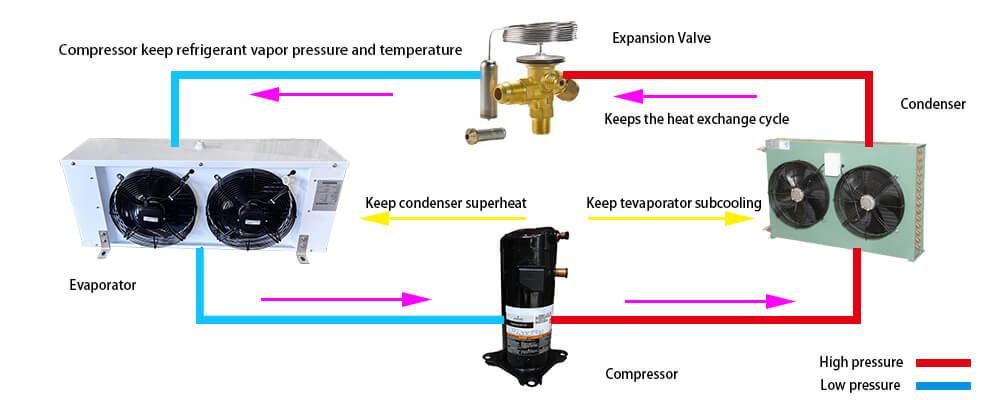
The compressor plays a vital role in a refrigeration system. It acts as the heart of the system, moving refrigerant through the cycle. This component helps to keep the system running smoothly and effectively. Understanding its role clarifies how refrigeration systems cool spaces efficiently.
Basic Function In Refrigeration
The compressor compresses low-pressure refrigerant gas into a high-pressure state. This process raises the refrigerant’s temperature. The hot, high-pressure gas then flows to the condenser. There, it releases heat and changes into a liquid. This step is crucial for the refrigeration cycle to continue.
Impact On System Efficiency
The compressor’s performance directly affects system efficiency. A well-functioning compressor reduces energy consumption. It ensures the refrigerant moves steadily and at the right pressure. Poor compressor performance leads to higher energy use and less cooling power. Regular maintenance keeps the compressor efficient and extends system life.

Credit: www.miracleref.com
How Compressors Work
The compressor is the heart of a refrigeration system. It moves refrigerant through the system by increasing its pressure. This process allows the refrigerant to absorb and release heat effectively. Understanding how compressors work helps explain how refrigerators and air conditioners keep things cool.
Compression Process
The compression process starts with low-pressure, low-temperature refrigerant gas entering the compressor. The compressor squeezes this gas, raising its pressure and temperature. This high-pressure gas then moves to the condenser, where it cools down and changes into a liquid. The process repeats continuously, maintaining the cooling cycle.
Types Of Compressors
There are several types of compressors used in refrigeration systems:
- Reciprocating Compressors:Use pistons to compress refrigerant gas.
- Scroll Compressors:Use two spiral-shaped scrolls to compress gas smoothly.
- Rotary Compressors:Use a rotating mechanism to compress gas quickly.
- Screw Compressors:Use two interlocking screws to compress gas efficiently.
Each type has unique benefits and works best in different applications.
Compressor Components
The compressor in a refrigeration system is like the heart. It moves refrigerant through the system. This process cools your space. Let’s explore the compressor’s key components.
Motor And Drive Mechanism
The motor powers the compressor. It converts electrical energy into motion. This motion drives the compressor’s pistons. The drive mechanism links the motor to the pistons. It ensures smooth operation. Proper maintenance of these parts is essential. It increases efficiency and lifespan.
Valves And Pistons
Valves control refrigerant flow. They open and close as needed. This action regulates pressure. Pistons compress the refrigerant. They move up and down, altering space. This process raises the refrigerant’s pressure. Well-functioning valves and pistons are crucial. They ensure optimal cooling performance.
Common Compressor Issues
Compressors play a vital role in refrigeration systems, but they are also prone to several common issues that can disrupt cooling performance and increase energy costs. Understanding these problems early can save you from costly repairs and downtime. Let’s look at the typical compressor troubles and how to spot them before they escalate.
Signs Of Compressor Failure
Have you noticed your refrigerator running louder than usual or struggling to maintain temperature? These might be early signs of compressor failure. Here are some key symptoms to watch for:
- Unusual noises:Grinding, rattling, or humming sounds often indicate internal wear or damage.
- Inconsistent cooling:If your fridge or freezer temperature fluctuates or doesn’t get cold enough, the compressor might be losing efficiency.
- Frequent cycling:A compressor that turns on and off too often may be struggling to keep up with cooling demands.
- Overheating:A hot compressor surface or frequent shutdowns due to overheating signal mechanical or electrical problems.
- Increased energy bills:A failing compressor uses more power to perform, hitting your wallet hard.
Have you ever ignored a strange noise, only to face a full breakdown later? Catching these signs early can help you avoid that scenario.
Maintenance Tips
Proper maintenance extends your compressor’s life and improves reliability. Here are practical steps you can take:
- Keep it clean:Dust and debris around the compressor reduce cooling efficiency. Regularly clean the coils and surrounding areas.
- Check refrigerant levels:Low refrigerant can strain the compressor. Schedule professional checks to refill or repair leaks.
- Inspect electrical connections:Loose or corroded wires cause shorts or poor performance. Tighten and clean connections as needed.
- Monitor operating temperature:Ensure proper ventilation around the compressor to prevent overheating.
- Schedule routine professional maintenance:A technician can spot wear and minor issues before they become major problems.
Think about how often you maintain your appliances. Could a little extra care prevent a costly compressor failure in your refrigeration system?
Energy Consumption And Savings
The compressor is the heart of a refrigeration system, using energy to move refrigerant and keep things cool. Its energy use affects overall electricity bills and system performance. Understanding how compressors consume energy helps find ways to save power and reduce costs.
Choosing the right compressor and technology can lower energy waste. Efficient compressors run smoothly with less effort. Innovations in design also cut power needs without losing cooling power.
Efficiency Ratings
Efficiency ratings show how well a compressor uses energy. Common ratings include SEER, EER, and COP. Higher ratings mean better energy use for the same cooling output.
Ratings help compare different compressors before buying. Look for models with high efficiency scores to save money over time.
Energy-saving Technologies
- Variable Speed Compressors:Adjust power based on cooling needs, reducing wasted energy.
- Inverter Technology:Controls compressor speed smoothly, improving efficiency and comfort.
- Advanced Motors:Use less electricity and run cooler for longer life.
- Smart Controls:Optimize compressor operation based on environment and usage patterns.
Choosing The Right Compressor
Choosing the right compressor is key to an efficient refrigeration system. The compressor moves refrigerant through the system, creating the cooling effect. Picking a compressor that fits the system’s needs ensures better performance and energy use.
Factors To Consider
- Capacity: The compressor must handle the cooling load.
- Type: Different compressors suit various applications (reciprocating, scroll, rotary).
- Energy Efficiency: Look for models with low power consumption.
- Durability: A reliable compressor reduces maintenance costs.
- Noise Level: Some compressors run quieter, important for certain spaces.
- Cost: Balance between initial price and long-term savings.
- Compatibility: Must work well with the refrigerant and system design.
Matching Compressor To System Needs
Each refrigeration system has unique demands. A small fridge needs a different compressor than a large cold storage unit. The compressor must match the system’s pressure and temperature requirements.
Check the system’s cooling capacity and operating conditions. The right compressor size prevents overworking or underperforming. Proper matching improves lifespan and reduces energy waste.
Credit: medium.com
Frequently Asked Questions
What Role Does A Compressor Play In Refrigeration?
A compressor circulates refrigerant through the system. It raises the refrigerant’s pressure and temperature, enabling heat transfer. This process is essential for cooling inside refrigerators or air conditioners. Without the compressor, the refrigeration cycle cannot function effectively.
How Does A Compressor Affect Refrigeration Efficiency?
A compressor controls refrigerant flow and pressure. Efficient compressors reduce energy consumption and improve cooling performance. Proper compressor operation ensures the system runs smoothly and prevents wear and tear. This directly impacts the overall refrigeration efficiency and cost savings.
Why Is Compressor Maintenance Important In Refrigeration?
Regular compressor maintenance prevents breakdowns and extends equipment life. It ensures optimal performance by checking lubrication, leaks, and electrical components. Proper maintenance reduces energy costs and avoids costly repairs. Well-maintained compressors keep refrigeration systems reliable and efficient.
Can A Faulty Compressor Stop Refrigeration Systems?
Yes, a faulty compressor can halt the refrigeration cycle. It may cause the system to lose cooling ability or stop working entirely. Compressor failure often results from mechanical issues or electrical faults. Timely repair or replacement is crucial to restore system function.
Conclusion
A compressor plays a key role in refrigeration systems. It moves refrigerant through the system to cool spaces. Without it, the system cannot work properly. The compressor increases pressure, helping refrigerant change from gas to liquid. This process removes heat and keeps things cold.
Understanding this helps you appreciate how refrigerators and air conditioners function. Keeping compressors in good shape ensures your system runs smoothly. Simple but important.