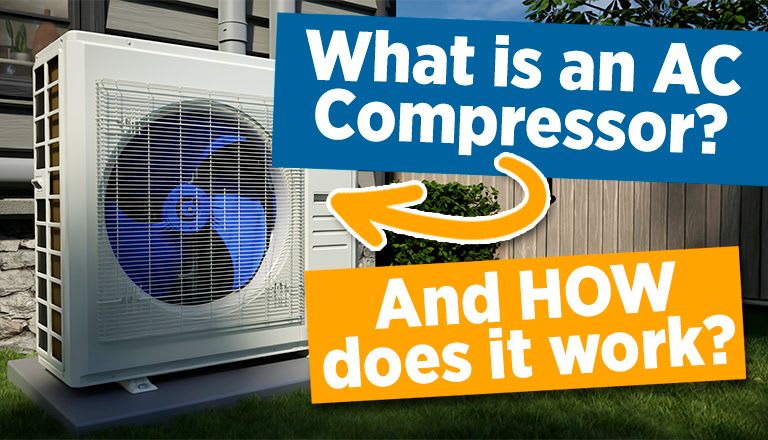
Have you ever wondered what makes your air conditioner cool the air so effectively? The secret lies in a small but powerful part called the compressor.
Without it, your AC wouldn’t be able to do its job. Understanding what a compressor does can help you appreciate how your air conditioner works and why it’s important to keep it in good shape. Keep reading, and you’ll discover how this key component turns warm air into the refreshing breeze you enjoy every day.
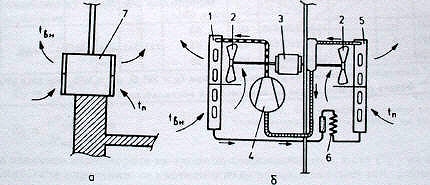
Credit: reling.com
Compressor Basics
The compressor is a key part of an air conditioner. It helps cool the air inside your home or office. Without it, the cooling process cannot happen.
This section explains the compressor’s role and the types used in air conditioners.
Role In Cooling Cycle
The compressor pumps refrigerant through the air conditioner. It changes the refrigerant from low pressure gas to high pressure gas. This helps the refrigerant move to the condenser where it cools down.
- Draws in low pressure refrigerant gas
- Compresses it to high pressure and temperature
- Sends high pressure gas to the condenser coil
- Keeps the refrigerant moving in the cooling cycle
Types Of Compressors
There are different compressor types used in air conditioners. Each type works in a unique way to compress the refrigerant. Choosing the right type affects efficiency and noise levels.
| Compressor Type | How It Works | Common Use |
| Reciprocating | Uses pistons to compress gas | Small to medium AC units |
| Scroll | Uses two spiral scrolls to compress | Most modern residential units |
| Rotary | Uses a rotating blade to compress | Compact AC systems |
| Screw | Uses two screws to compress gas | Large commercial systems |
How Compressors Work
The compressor is a key part of an air conditioner. It helps move the refrigerant through the system. This process allows the air conditioner to cool your home.
Understanding how the compressor works helps you see how your air conditioner cools the air effectively. It uses pressure and temperature changes to do this.
Compression Process
The compressor squeezes the refrigerant gas. This makes the gas molecules come closer together. As a result, the gas becomes high pressure and high temperature.
- The compressor pulls in low-pressure refrigerant gas from the evaporator.
- It compresses the gas by reducing its volume.
- The compressed gas leaves the compressor at a higher pressure.
Refrigerant Movement
The compressor moves the refrigerant through the air conditioner’s pipes. This movement is important for heat exchange. It allows the refrigerant to absorb and release heat.
| Stage | Refrigerant State | Location |
| 1 | Low-pressure gas | Evaporator to compressor |
| 2 | High-pressure gas | Compressor to condenser |
| 3 | High-pressure liquid | Condenser to expansion valve |
| 4 | Low-pressure liquid | Expansion valve to evaporator |
Pressure And Temperature Changes
The compressor raises the pressure and temperature of the refrigerant. This change allows the refrigerant to release heat outside your home. Then, the refrigerant cools down and flows back inside.
Key effects of pressure and temperature changes:
- High pressure forces heat out of the refrigerant.
- High temperature helps the refrigerant cool quickly in the condenser.
- Lower pressure inside the evaporator lets the refrigerant absorb heat from indoors.
Importance In Air Conditioning
The compressor is a key part of an air conditioner. It helps move the refrigerant through the system.
Without the compressor, the air conditioner cannot cool the air properly.
Energy Efficiency
The compressor controls how much energy the air conditioner uses. A good compressor uses less power to cool your home.
When the compressor runs efficiently, your electricity bills are lower.
- Uses less electricity
- Reduces waste heat
- Improves overall system efficiency
Maintaining Cool Air Flow
The compressor pumps refrigerant to absorb heat inside your home. This process keeps the air cool and fresh.
It keeps the pressure high enough to move cool air through vents effectively.
- Circulates refrigerant continuously
- Maintains steady cooling
- Prevents warm air from entering
Impact On System Performance
The compressor’s condition affects the whole air conditioner. A failing compressor lowers cooling power.
If the compressor works well, the system cools faster and lasts longer.
- Supports proper refrigerant flow
- Prevents system breakdowns
- Ensures reliable cooling
Common Compressor Issues
The compressor is a key part of an air conditioner. It helps cool your home by compressing refrigerant gas. Problems with the compressor can stop your AC from working well.
Understanding common compressor issues can help you spot problems early. This guide explains signs of failure, causes of malfunction, and maintenance tips.
Signs Of Failure
A failing compressor shows clear signs. These signs help you know if your air conditioner needs repair.
- AC does not cool the room properly
- Loud or strange noises coming from the unit
- Unit turns on and off frequently
- Higher electricity bills without increased use
- Compressor motor will not start
Causes Of Malfunction
Several reasons can cause compressor problems. Knowing these helps prevent damage and costly repairs.
- Low refrigerant levels due to leaks
- Electrical issues like faulty wiring or capacitors
- Overheating from poor ventilation or dirty coils
- Wear and tear from age or heavy use
- Blocked or dirty air filters reducing airflow
Maintenance Tips
Regular maintenance keeps the compressor running smoothly. These simple tips help extend its life.
- Clean or replace air filters monthly
- Check refrigerant levels and fix leaks quickly
- Ensure good airflow around the outdoor unit
- Inspect electrical connections for damage
- Schedule professional AC tune-ups yearly
Technological Advances
The compressor is key to how an air conditioner cools the air. Technology has improved compressors to make AC units smarter and more efficient. These advances help save energy and reduce environmental impact.
New compressor designs work better with eco-friendly refrigerants and smart controls. These changes make air conditioners quieter and more reliable. They also help users control cooling more easily.
Variable Speed Compressors
Variable speed compressors change their speed to match cooling needs. This means they use less energy when the demand is low. They run smoothly and keep the temperature steady.
- Reduce energy use by adjusting speed
- Lower noise during operation
- Provide consistent indoor temperature
- Increase the lifespan of the AC unit
Eco-friendly Refrigerants
Modern compressors work with new refrigerants that harm the environment less. These refrigerants have lower global warming potential (GWP) and do not damage the ozone layer.
| Refrigerant Type | Global Warming Potential | Ozone Impact |
| R-410A | 2088 | None |
| R-32 | 675 | None |
| R-290 (Propane) | 3 | None |
Smart Compressor Controls
Smart controls help compressors work efficiently by using sensors and microprocessors. They adjust compressor speed and cooling based on real-time conditions.
Features of smart compressor controls include:
- Automatic temperature adjustment
- Remote control via smartphone apps
- Energy usage monitoring
- Fault detection and alerts

Credit: okmarts.com

Credit: atlasacrepair.com
Frequently Asked Questions
What Role Does A Compressor Play In An Air Conditioner?
The compressor pumps refrigerant through the AC system. It increases pressure, turning refrigerant gas into a high-pressure, high-temperature state. This process enables heat exchange and cools indoor air efficiently.
How Does The Compressor Affect Air Conditioner Efficiency?
The compressor controls refrigerant flow, directly impacting cooling performance. A well-functioning compressor ensures faster cooling and lower energy use. Faulty compressors reduce efficiency and increase electricity bills.
Why Is The Compressor Considered The Heart Of An Air Conditioner?
The compressor circulates refrigerant and maintains pressure differences. It drives the cooling cycle by converting low-pressure gas to high-pressure gas. Without it, the air conditioner cannot cool air effectively.
Can A Faulty Compressor Cause Air Conditioner Failure?
Yes, a damaged compressor stops refrigerant circulation, halting the cooling cycle. This leads to warm air output and possible system shutdown. Timely repair or replacement prevents further damage.
Conclusion
A compressor is the heart of any air conditioner. It pushes refrigerant through the system to cool your home. Without it, the air conditioner cannot remove heat. It works by increasing pressure and temperature of the refrigerant gas. This process helps turn hot air into cool air.
Knowing this helps you understand how your AC works. Regular maintenance keeps the compressor running smoothly. A healthy compressor means better cooling and lower energy bills. Simple but powerful.