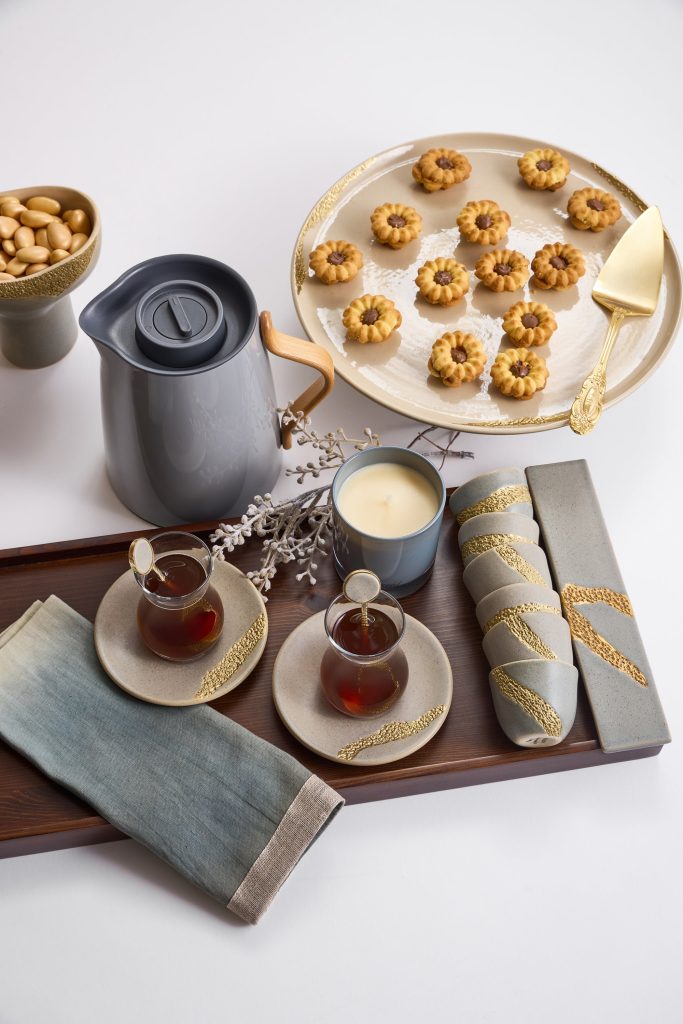
Have you ever wondered what a simple cup of tea really means? It’s more than just a drink.
A cup of tea can tell a story, bring comfort, and even connect you to different cultures. When you hold that warm mug in your hands, you’re not just sipping a beverage—you’re experiencing something deeper. Keep reading to discover the hidden meanings behind your favorite cup of tea and how it can add a new layer of meaning to your daily routine.

Credit: erudus.com
Tea As A Symbol Of Hospitality
Tea often welcomes guests and shows kindness. It helps create warm and friendly moments. Sharing tea is a simple way to say, “You are welcome.”
Many cultures use tea to express care and respect. It is more than a drink; it is a symbol of friendship and trust.
Welcoming Guests
Serving tea to guests is a common way to greet them. It makes visitors feel comfortable and valued. Offering tea shows that the host is ready to listen and share time.
- Tea helps start conversations
- It creates a calm and inviting space
- Guests feel respected and cared for
- It marks the beginning of social gatherings
Cultural Rituals
Different cultures have special tea rituals. These acts show respect and honor to guests. The way tea is made and served tells a story of tradition.
| Culture | Tea Ritual | Meaning |
| Japanese | Tea Ceremony | Respect and harmony |
| Moroccan | Mint Tea Serving | Friendship and hospitality |
| British | Afternoon Tea | Politeness and comfort |
| Chinese | Gongfu Tea | Focus and appreciation |
Tea And Relaxation
A cup of tea often means taking a break from a busy day. It gives a chance to relax and breathe.
Many people find comfort and peace in the simple act of drinking tea. It can calm the mind and soothe the body.
Moment Of Calm
Drinking tea creates a quiet moment in the day. It helps slow down racing thoughts and brings calmness.
- Find a quiet spot
- Hold the warm cup in your hands
- Focus on the steam and aroma
- Take slow, deep breaths
- Enjoy the gentle taste
Mindfulness Practice
Tea drinking can be a simple mindfulness exercise. It helps you stay present and aware of now.
| Step | Action |
| 1 | Notice the color of the tea |
| 2 | Listen to the sound of pouring |
| 3 | Smell the aroma deeply |
| 4 | Feel the warmth of the cup |
| 5 | Taste slowly and focus on flavors |
Tea Representing Connection
A cup of tea often means more than just a drink. It is a symbol of connection between people.
Tea brings people together. It creates a space for sharing and bonding.
Social Bonding
Tea helps people connect in social settings. It invites friends and family to gather.
Sharing tea builds trust and comfort. It makes conversations easier and warmer.
- Tea breaks at work create team spirit
- Friends meet for tea to relax together
- Family tea time strengthens family ties
Sharing Stories
Drinking tea often goes with telling stories. It opens a chance to share personal experiences.
Tea sets a calm mood for listening and talking. It helps people feel heard and understood.

Credit: www.freepik.com
Spiritual And Meditative Aspects
A cup of tea holds deep meaning beyond just a drink. It often represents peace and calm. Many find tea to be a tool for spiritual focus.
Drinking tea can become a quiet moment to connect with yourself. This helps in slowing down and being mindful of the present.
Ceremonial Significance
Tea ceremonies are important in many cultures. They create a sacred space for respect and gratitude. The slow, careful preparation of tea helps focus the mind.
The ceremony is about more than tea. It teaches patience, humility, and presence. These values are key in spiritual practice.
- Respect for nature and others
- Mindful attention to each action
- Creating harmony through simple acts
Inner Reflection
Tea drinking invites stillness and thought. It allows time to check in with your feelings. This quiet moment can clear the mind.
The warmth and taste of tea help anchor your senses. This focus aids meditation and self-awareness. It supports a calm and steady mind.
Tea As A Symbol Of Tradition
A cup of tea holds deep meaning in many cultures. It often represents tradition and history.
Sharing tea connects people to their past and keeps old customs alive. Tea ceremonies and rituals show respect for heritage.
Cultural Heritage
Tea is part of many cultures around the world. It reflects the values and beliefs of a community.
For example, in Japan, the tea ceremony is a symbol of peace and harmony. In Britain, afternoon tea is a tradition that brings people together.
- Represents community values
- Connects generations
- Shows respect for nature and time
Passing Down Customs
Tea customs are often taught from older family members to younger ones. This helps keep traditions alive.
Making and sharing tea can be a way to pass stories and lessons. These moments create strong family bonds.
- Teaches patience and care
- Preserves family stories
- Strengthens relationships

Credit: erudus.com
Health And Vitality Symbolism
A cup of tea often stands for more than just a drink. It symbolizes health and vitality in many cultures.
People connect tea with natural healing and energy. These meanings make tea a special part of daily life.
Natural Healing
Tea has been used for centuries to support the body’s healing processes. Herbal teas contain antioxidants and vitamins.
- Green tea helps reduce inflammation.
- Chamomile tea calms the stomach.
- Ginger tea aids digestion.
- Mint tea refreshes and soothes.
Energy And Balance
Tea provides a gentle boost of energy without the crash that coffee can cause. It helps balance the mind and body.
| Type of Tea | Energy Effect | Balance Benefit |
| Black Tea | Moderate boost | Improves focus |
| Green Tea | Steady energy | Enhances calmness |
| Oolong Tea | Mild lift | Supports mental clarity |
Modern Interpretations
A cup of tea means different things today. It goes beyond just a drink. People see tea as part of their daily habits and culture.
Modern views on tea show how it fits in with busy lives and global connections. This helps us understand its new meanings.
Trendy Lifestyle
Tea is popular in modern lifestyles. It is a symbol of calm and self-care. Many choose tea to slow down and relax during a busy day.
- Tea breaks help people focus and refresh
- Specialty teas are part of health routines
- Sharing tea is a way to connect with friends
- Tea shops create cozy social spaces
Global Influence
Tea is a global drink. It shows how cultures mix and share traditions. The meaning of tea changes across countries and communities.
| Region | Tea Meaning | Common Tea Type |
| Asia | Respect and hospitality | Green tea |
| Europe | Social gathering and comfort | Black tea |
| Middle East | Friendship and warmth | Mint tea |
| Americas | Wellness and trendiness | Herbal tea |
Frequently Asked Questions
What Does A Cup Of Tea Symbolize?
A cup of tea often symbolizes comfort, peace, and relaxation. It’s a universal gesture of hospitality and warmth. In many cultures, tea represents tranquility and mindfulness. Sharing tea can also signify friendship and bonding. It is a simple, everyday ritual that brings people together and soothes the soul.
Why Is Tea Associated With Relaxation?
Tea is associated with relaxation due to its calming properties. Herbal teas, like chamomile, have natural ingredients that soothe the mind. The ritual of preparing and sipping tea encourages mindfulness. This helps reduce stress and tension. The warmth of the cup also provides comfort, enhancing the relaxation experience.
How Does Tea Symbolize Friendship?
Tea symbolizes friendship by fostering connections and conversations. Sharing a cup of tea creates a welcoming atmosphere. It encourages open dialogue and bonding. In many cultures, inviting someone for tea is a gesture of kindness. It signifies a desire to strengthen relationships and enjoy each other’s company.
What Cultural Meanings Does Tea Hold?
Tea holds various cultural meanings across the world. In Chinese culture, it signifies respect and harmony. In Japan, tea ceremonies embody tranquility and spiritual reflection. In Britain, tea is a social tradition, symbolizing community. Each culture infuses its own unique symbolism into the simple act of drinking tea.
Conclusion
A cup of tea holds many meanings for people. It can show friendship, comfort, or a moment to pause. Tea often brings calm in a busy day. Sharing tea can build bonds and warm hearts. Its symbolism changes with culture and time.
Remember, every sip tells a story. So next time you drink tea, think about what it means to you. Simple yet deep—a cup of tea connects us all.