Have you ever wondered why your car doesn’t run as smoothly as it used to? Or why your gas mileage seems to be dropping?
The answer might be hidden in your fuel system. A fuel system cleaner could be the simple fix your vehicle needs. But what does a fuel system cleaner actually do? And how can it help improve your car’s performance? Keep reading to discover how this small addition to your car care routine can save you money, boost efficiency, and keep your engine running like new.

Credit: www.liqui-moly.com
Fuel System Cleaner Basics
A fuel system cleaner is a liquid product added to your car’s fuel tank. It helps clean parts inside the fuel system.
Cleaning the fuel system improves engine performance and fuel efficiency. It also reduces emissions and prevents damage.
Key Components Cleaned
Fuel system cleaners work on several important parts of the engine’s fuel system. They remove deposits and dirt buildup.
- Fuel injectors – spray fuel into the engine
- Intake valves – control air flow into the engine
- Combustion chambers – where fuel burns
- Throttle body – controls engine air intake
- Fuel lines – carry fuel to the engine
Types Of Fuel System Cleaners
There are several types of fuel system cleaners made for different cleaning needs. Some focus on specific parts.
- Fuel injector cleaners – clean injectors to improve spray patterns
- Intake valve cleaners – remove carbon buildup on valves
- Combustion chamber cleaners – reduce deposits inside chambers
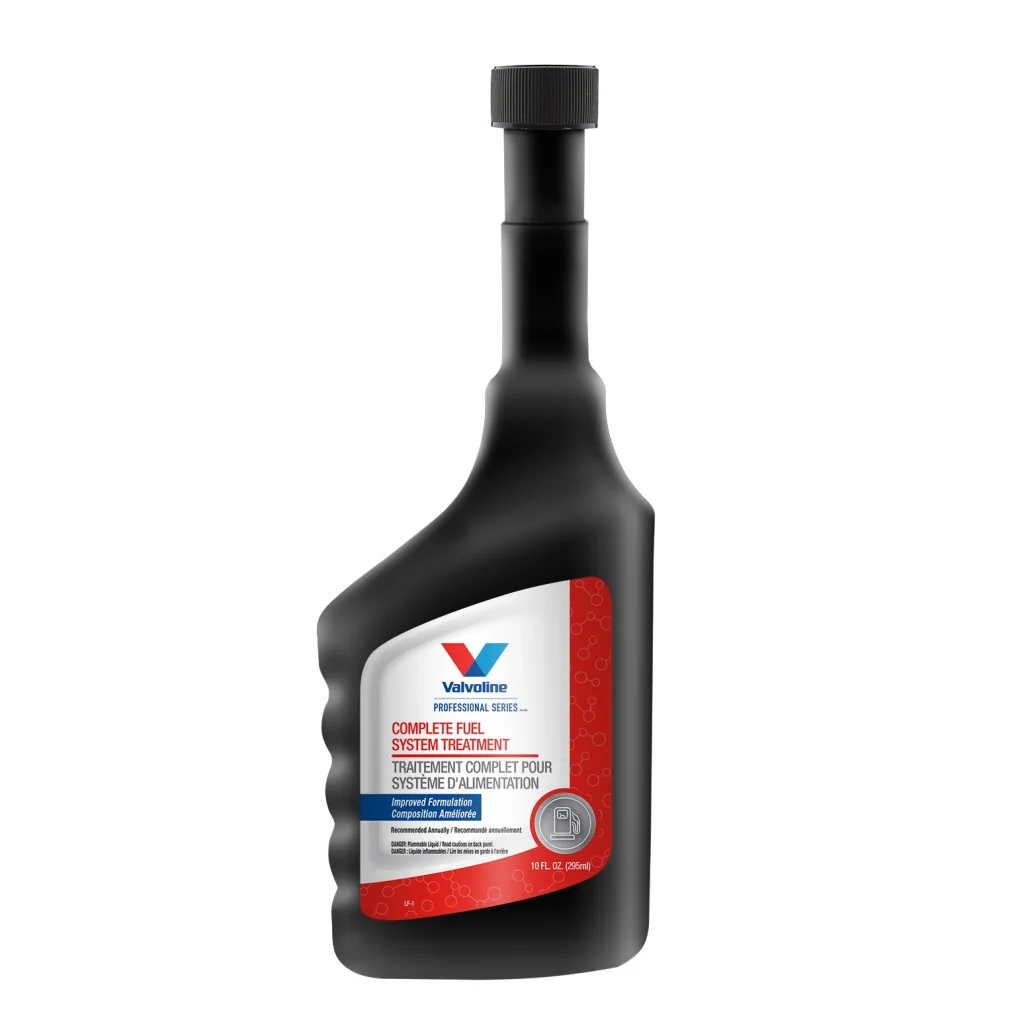
- Complete fuel system cleaners – clean multiple parts at once

Credit: www.dollargeneral.com
How Fuel System Cleaners Work
Fuel system cleaners help keep your car’s engine running smoothly. They remove dirt and buildup inside the fuel system.
These cleaners use special chemicals that break down deposits. This keeps fuel moving easily and improves engine performance.
Removing Deposits
Fuel system cleaners dissolve sticky deposits inside fuel injectors and intake valves. These deposits come from old fuel and dirt.
Removing these deposits helps the engine burn fuel better. It also lowers harmful emissions and stops engine knocking.
- Breaks down carbon and varnish buildup
- Keeps injectors clean and working well
- Prevents clogging and rough idling
Improving Fuel Flow
Clean fuel systems allow fuel to flow smoothly to the engine. This helps the engine get the right amount of fuel at all times.
Good fuel flow means better gas mileage and smoother driving. It also reduces engine strain and helps keep parts lasting longer.
- Clears fuel lines and filters
- Ensures even fuel spray from injectors
- Improves engine start and acceleration
Benefits For Engine Performance
A fuel system cleaner helps maintain your engine by removing buildup and deposits. This keeps the engine parts clean and working well.
Using a cleaner regularly can improve how your engine runs and how long it lasts. It also helps the car use fuel better and pollute less.
Enhancing Power Output
Fuel system cleaners remove dirt and deposits from fuel injectors and valves. Clean parts work more smoothly, which helps the engine produce more power.
- Restores clogged fuel injectors
- Improves combustion efficiency
- Reduces engine knocking
- Ensures steady fuel flow
Boosting Fuel Efficiency
A clean fuel system lets the engine burn fuel better. This means the car uses less gas for the same distance, saving money on fuel.
| Benefit | Effect on Fuel Efficiency |
| Cleaner fuel injectors | Better spray pattern, less wasted fuel |
| Reduced carbon deposits | Improved air and fuel mix |
| Smoothed fuel flow | More consistent engine performance |
Reducing Emissions
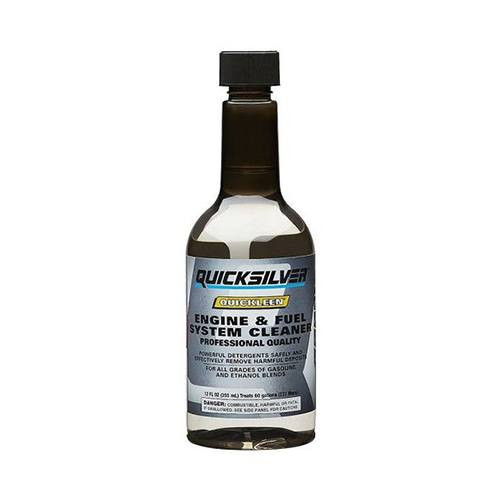
Fuel system cleaners help reduce harmful gases from your car. Cleaner engines burn fuel more completely, lowering smoke and fumes.
Here are key ways a fuel system cleaner cuts emissions:
- Removes carbon buildup that blocks exhaust flow
- Helps catalytic converter work better
- Reduces unburned fuel in exhaust
Credit: www.wholesalemarine.com
When To Use A Fuel System Cleaner
A fuel system cleaner helps remove dirt and buildup inside your car’s fuel system. It keeps the engine running smoothly and improves fuel efficiency. Knowing when to use it can save you money and prevent bigger problems.
Using a fuel system cleaner at the right time helps maintain your vehicle’s performance. It cleans fuel injectors, intake valves, and combustion chambers.
Signs Of Fuel System Issues
Fuel system problems can cause your car to run poorly. Watch for these signs to know if you need a fuel system cleaner.
- Engine misfires or runs roughly
- Reduced fuel economy
- Hard starting or stalling
- Loss of power during acceleration
- Check engine light is on
- Strong fuel smell from the exhaust
These symptoms show that dirt or deposits may block fuel flow. Using a cleaner can help fix these problems.
Recommended Maintenance Intervals
Car makers suggest cleaning the fuel system regularly to avoid buildup. The interval depends on your car and driving habits.
- Every 3,000 to 5,000 miles for older cars
- Every 5,000 to 10,000 miles for newer models
- Use more often if you use low-quality fuel
- Consider cleaning before long trips
Check your vehicle’s manual for specific advice. Regular cleaning keeps the fuel system in good shape.
Choosing The Right Cleaner
Fuel system cleaners help keep engines running smoothly. Picking the right cleaner is important for your vehicle.
Different cleaners work best with different engines and fuel types. Learn what to look for before buying one.
Additive Ingredients To Look For
Fuel system cleaners contain additives that remove deposits from fuel injectors and valves. Some additives work better than others.
Look for cleaners with these key ingredients for best results:
- Polyetheramine (PEA) – breaks down tough carbon build-up
- Polyisobutylene amine (PIBA) – cleans fuel injectors and intake valves
- Detergents – help remove dirt and grime
- Corrosion inhibitors – protect metal parts
- Friction modifiers – improve engine efficiency
Compatibility With Fuel Types
Fuel system cleaners are not all the same. Some work only with gasoline engines. Others work with diesel or alternative fuels.
Check the cleaner’s label to make sure it matches your fuel type. Using the wrong cleaner may cause damage or reduce performance.
- Gasoline engines – use cleaners labeled for petrol or gasoline
- Diesel engines – choose diesel-specific cleaners
- Flex-fuel vehicles – select cleaners safe for ethanol blends
- High-performance engines – look for advanced formulas
Application Tips For Best Results
Using a fuel system cleaner can help keep your engine running smoothly. To get the best results, you need to use it correctly.
Follow the right steps to avoid problems and improve your vehicle’s performance.
Proper Dosage And Usage
Always check the product label for the correct amount of cleaner to use. Too much or too little can cause issues.
Most fuel system cleaners are added to a nearly empty fuel tank before refilling it with gas.
- Use the amount suggested for your fuel tank size
- Pour the cleaner into the fuel tank before filling with fuel
- Drive your car as usual to let the cleaner work
- Repeat use as recommended, usually every few thousand miles
Safety Precautions
Fuel system cleaners contain chemicals that need careful handling. Keep safety in mind at all times.
Wear gloves and avoid skin contact. Use the cleaner in a well-ventilated area to avoid breathing fumes.
- Store the cleaner away from heat and open flames
- Keep it out of reach of children and pets
- Do not mix with other chemicals or cleaners
- Follow all instructions on the product label
Common Myths And Misconceptions
Many people have wrong ideas about what a fuel system cleaner can do. These myths can lead to wrong expectations and car care mistakes.
Understanding the facts helps you use fuel system cleaners the right way and avoid damage or wasted money.
Fuel System Cleaners Vs. Repairs
Fuel system cleaners remove small deposits inside the fuel system. They help keep injectors and valves cleaner.
Cleaners do not fix broken parts. If your fuel pump or injector is damaged, only repairs or replacements will work.
- Cleaners remove dirt and small clogs.
- They do not fix mechanical or electrical issues.
- Use cleaners for maintenance, not repairs.
Instant Fix Expectations
Some people believe fuel system cleaners work instantly. This is not true. Cleaners take time to show benefits.
Cleaning happens gradually as you use the product over several tanks of fuel. Expect better engine performance over time.
- Do not expect immediate changes after one use.
- Regular use can improve fuel efficiency slowly.
- Persistent problems need mechanic attention.
Frequently Asked Questions
What Is The Main Purpose Of A Fuel System Cleaner?
A fuel system cleaner removes deposits from fuel injectors, intake valves, and combustion chambers. This improves engine efficiency, reduces emissions, and restores lost power. Regular use helps maintain optimal fuel flow and prevents clogging in the fuel system.
How Often Should I Use A Fuel System Cleaner?
For best results, use a fuel system cleaner every 3,000 to 5,000 miles. This frequency keeps the fuel system clean and prevents buildup. However, follow your vehicle’s manufacturer recommendations for specific intervals.
Can Fuel System Cleaners Improve Gas Mileage?
Yes, fuel system cleaners can enhance gas mileage by removing engine deposits. Cleaner fuel injectors ensure better fuel atomization and combustion. This leads to improved fuel efficiency and reduced fuel consumption.
Are Fuel System Cleaners Safe For All Engines?
Most fuel system cleaners are safe for gasoline engines, including cars, trucks, and motorcycles. Always check the product label for compatibility. Avoid using diesel fuel system cleaners in gasoline engines to prevent damage.
Conclusion
A fuel system cleaner keeps your engine running smoothly and efficiently. It removes harmful deposits and prevents future buildup. This boosts fuel efficiency and improves engine performance. Clean fuel systems extend engine life and reduce emissions. Regular use is key for optimal results.
Many drivers notice immediate improvement in their vehicle’s response. It’s a simple step that offers significant benefits. So, consider using a fuel system cleaner regularly. Your engine will thank you for it. Keep your vehicle in top shape with this easy maintenance routine.