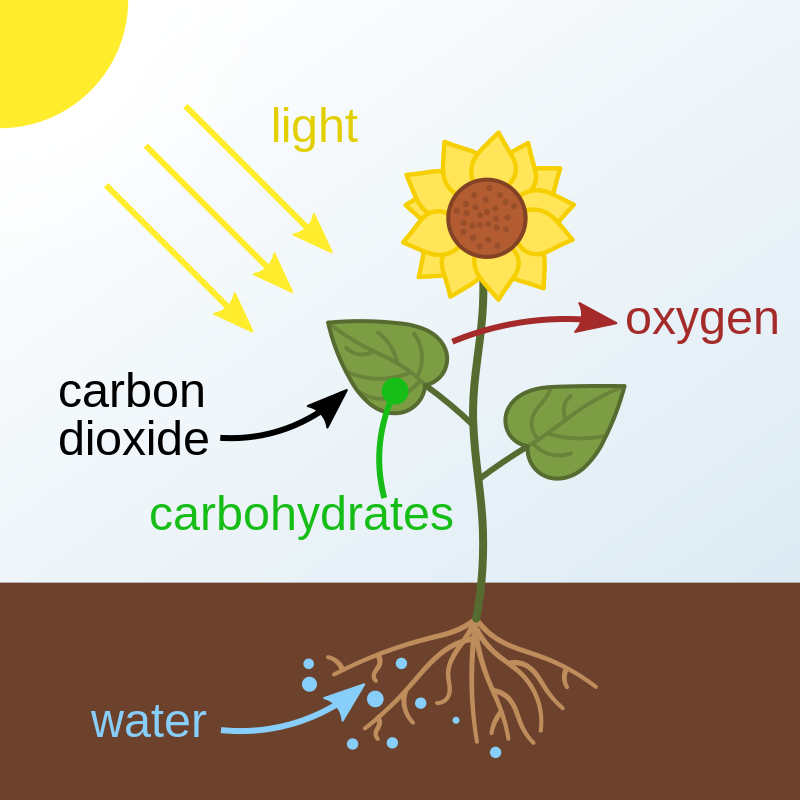
Have you ever wondered what exactly plants make as food? It might seem simple, but understanding this can change the way you see the world around you.
Your daily meals, the air you breathe, and even the clothes you wear all start with what plants create. By discovering what plants produce as food, you’ll unlock a fascinating secret about nature’s power and how it supports your life every day.
Keep reading, and you’ll find out something that will surprise you and deepen your connection with the green world outside your window.
Photosynthesis: The Process Of Food Production
Plants make their own food using sunlight. This process is called photosynthesis.
Photosynthesis helps plants grow and gives us oxygen to breathe.
Light Absorption
Plants absorb sunlight through their leaves. The light energy starts the food-making process.
Leaves have special parts that catch light from the sun.
Role Of Chlorophyll
Chlorophyll is a green pigment in leaves. It helps plants capture sunlight.
This pigment gives leaves their green color. It is key for photosynthesis.
- Absorbs sunlight energy
- Found in chloroplasts inside cells
- Transforms light for food production
Conversion Of Light To Chemical Energy
Light energy changes into chemical energy in the plant. This energy helps make sugar.
Plants use water and carbon dioxide to create food and oxygen.
- Light energy splits water molecules
- Carbon dioxide turns into glucose (sugar)
- Oxygen is released as a byproduct

Credit: sizzlekidz.com
Components Of Plant Food
Plants make their own food through a process called photosynthesis. This food is crucial for their growth and energy. Understanding what plants produce helps us learn how they survive and support life on Earth.
Plant food is mainly made up of several important components. Each plays a special role in keeping the plant healthy and active.
Glucose: The Primary Product
Glucose is the main food that plants create. It is a simple sugar made in the leaves during photosynthesis. Plants use glucose to get energy and build other important molecules.
- Glucose stores energy for plant cells.
- It helps make cellulose for plant cell walls.
- Glucose can turn into starch for long-term energy storage.
- It acts as a building block for other plant compounds.
Oxygen As A Byproduct
During photosynthesis, plants release oxygen into the air. This oxygen is a byproduct of splitting water molecules. It is vital for animals and humans to breathe.
| Process | Byproduct |
| Photosynthesis | Oxygen (O2) |
| Respiration | Carbon dioxide (CO2) |
Secondary Metabolites
Plants produce secondary metabolites that are not food but help survival. These chemicals protect plants from pests and diseases. They also attract pollinators or help plants heal.
Common types of secondary metabolites include:
- Alkaloids – bitter chemicals that deter animals
- Flavonoids – pigments that give color and UV protection
- Terpenoids – oils that repel insects or attract pollinators
- Phenolics – compounds that help defend against microbes
Importance Of Sunlight
Plants make their own food through a process called photosynthesis. Sunlight is very important for this process. It helps plants turn water and carbon dioxide into food.
Without sunlight, plants cannot produce enough energy to grow and survive. Sunlight is the main source of energy for plants.
Solar Energy Utilization
Plants use sunlight as a source of energy. They capture light with a green pigment called chlorophyll. This energy helps plants make sugar from water and carbon dioxide.
The process that plants use is called photosynthesis. It creates food and oxygen, which are important for life on Earth.
- Sunlight provides energy for photosynthesis
- Chlorophyll absorbs sunlight
- Plants convert light energy into chemical energy
Effects Of Light Intensity
Light intensity affects how well plants make food. More light means more energy for photosynthesis. Less light slows down the process.
If the light is too weak, plants may not grow well. Too much light can also harm the plant by causing damage to leaves.
- High light intensity increases food production
- Low light reduces photosynthesis speed
- Excess light can cause leaf damage
Adaptations To Low Light
Some plants live in places with little sunlight. They have special features to survive and make food in low light.
These plants often have larger leaves or more chlorophyll. This helps them catch more light and use it better.
- Larger leaves to capture more light
- More chlorophyll for better light absorption
- Thin leaves to let light reach cells easier

Credit: karstennursery.com
Role Of Water And Carbon Dioxide
Plants make food through a process called photosynthesis. They need water and carbon dioxide to create sugar. These two substances play key roles in helping plants grow and stay healthy.
Understanding how plants use water and carbon dioxide helps us learn how they survive and produce oxygen for us.
Water As A Reactant
Water enters the plant through roots and moves to the leaves. It splits during photosynthesis to provide electrons and hydrogen. This helps make glucose, the plant’s food.
Carbon Dioxide Uptake
Plants take in carbon dioxide from the air through tiny openings called stomata. Inside the leaf cells, carbon dioxide combines with hydrogen from water to form sugars.
- Carbon dioxide comes from the air.
- Stomata open to let carbon dioxide in.
- Carbon dioxide mixes with water inside cells.
- Sugars are made as a result.
Balance In Gas Exchange
| Gas | Role in Plant | How It Moves |
|---|---|---|
| Carbon Dioxide (CO₂) | Used to make food | Enters through stomata |
| Oxygen (O₂) | Released as a byproduct | Exits through stomata |
| Water Vapor (H₂O) | Lost during gas exchange | Evaporates through stomata |
Factors Affecting Photosynthesis
Photosynthesis is the process plants use to make food. It changes sunlight, water, and carbon dioxide into sugar and oxygen.
Many factors affect how well photosynthesis happens. These factors influence the plant’s food production.
Temperature Influence
Temperature affects the speed of photosynthesis. Plants work best in a certain temperature range.
Too hot or too cold temperatures slow down or stop photosynthesis. Enzymes inside the plant need the right heat to work well.
Nutrient Availability
Plants need nutrients from the soil to grow and make food. Nutrients help build leaves and chlorophyll.
If nutrients like nitrogen or magnesium are missing, photosynthesis slows down. Plants cannot produce enough food.
Environmental Stress
Stress from drought, pollution, or strong winds can affect photosynthesis. Stress damages leaves and reduces sunlight capture.
Plants under stress may close their stomata to save water. This limits carbon dioxide intake and lowers food production.
Energy Storage In Plants
Plants make food through photosynthesis. They store energy in special forms. This energy helps them grow and survive.
Stored energy is important during times when sunlight is low. Plants use this energy to keep their cells working.
Starch Formation
Plants change glucose into starch for storage. Starch is a large carbohydrate made of many glucose units. It is easy for plants to store starch in their cells.
Starch forms in chloroplasts during photosynthesis. It acts as the main energy reserve. Plants break down starch back into glucose when they need energy.
Storage In Roots And Tubers
Roots and tubers store a lot of starch. These parts of the plant are underground. They keep food safe for long periods.
- Carrots store energy in their roots.
- Potatoes keep starch in tubers.
- Sweet potatoes hold starch in fleshy roots.
- Beets store sugar and starch in roots.
Utilization Of Stored Energy
When plants need energy, they convert stored starch into sugar. This sugar moves to cells that need fuel. Energy helps plants grow new leaves and flowers.
| Stored Energy Form | Used For |
| Starch | Long-term energy storage |
| Glucose | Immediate energy use |
| Sugar | Transport energy within the plant |
Impact On Ecosystems
Plants make food through photosynthesis. This food supports many living things. Plants play a key role in how ecosystems work.
They help cycle energy and materials. Their food production affects animals and the environment.
Foundation Of Food Chains
Plants produce glucose, a type of sugar. This sugar is food for many animals. Plants are the base of food chains in ecosystems.
- Plants convert sunlight into food
- Herbivores eat plants for energy
- Carnivores eat herbivores
- Decomposers recycle nutrients back to soil
Influence On Global Oxygen Levels
Plants release oxygen as a byproduct of photosynthesis. This oxygen is vital for life on Earth. Without plants, oxygen levels would drop.
| Process | Effect on Oxygen |
| Photosynthesis | Increases oxygen in air |
| Respiration | Uses oxygen |
| Decomposition | Consumes oxygen |
Role In Carbon Cycling
Plants absorb carbon dioxide from the air. They use it to make food. This helps reduce greenhouse gases and balances carbon in nature.
Key parts of carbon cycling with plants:
- Carbon dioxide enters leaves during photosynthesis
- Carbon becomes part of plant tissues
- Animals eat plants and pass carbon along
- Carbon returns to the soil when plants and animals decay

Credit: askabiologist.asu.edu
Frequently Asked Questions
What Food Do Plants Produce For Themselves?
Plants produce glucose as food through photosynthesis. This sugar serves as their primary energy source and building block for growth.
How Do Plants Make Food Using Sunlight?
Plants convert sunlight into chemical energy via photosynthesis. Chlorophyll absorbs light, powering glucose creation from carbon dioxide and water.
Why Is Glucose Important For Plants?
Glucose provides energy for cellular activities and growth. It also helps form cellulose, vital for plant structure and development.
Do Plants Make Other Foods Besides Glucose?
Yes, plants convert glucose into starch, cellulose, and other carbohydrates. These substances support energy storage and physical strength.
Conclusion
Plants make their own food through a process called photosynthesis. They use sunlight, water, and carbon dioxide to create glucose, a type of sugar. This food gives plants energy to grow and stay healthy. Plants also release oxygen, which animals and humans need to breathe.
Understanding how plants make food helps us appreciate their role in nature. It shows how important plants are for life on Earth. Simple yet powerful.