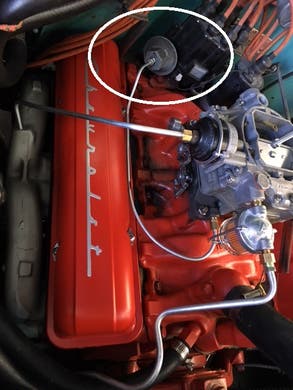
Are you curious about how your car’s engine manages to optimize its performance while conserving fuel? The secret might lie in a small yet crucial component known as the vacuum advance.
If you’re wondering what a vacuum advance does and why it matters to you, you’re in the right place. Imagine having the power to enhance your car’s efficiency and performance effortlessly. Understanding the role of a vacuum advance can unlock this potential.
As you delve deeper into this article, you’ll uncover how this tiny component can make a big difference. Ready to learn how to get the most out of your engine and possibly save some money at the pump? Let’s dive in!
Credit: forum.ih8mud.com
Role Of Vacuum Advance In Engines
The vacuum advance plays a crucial role in the performance and efficiency of your engine. It adjusts the ignition timing based on engine load and speed, helping your car run smoother and more efficiently. Understanding how it works can give you better control over your vehicle’s behavior and fuel economy.
Basic Function
The vacuum advance is connected to the carburetor or intake manifold through a vacuum line. It uses the vacuum created by the engine to adjust the timing of the spark. When the engine experiences light loads, such as cruising on the highway, the vacuum is high, which causes the advance to increase the timing.
This earlier timing improves fuel efficiency and reduces emissions. On the other hand, when the engine is under heavy load, the vacuum drops, and the advance reduces or stops, preventing engine knocking. Think of it as a system that helps your engine “know” when to fire the spark for the best power and efficiency.
How It Affects Timing
Ignition timing is the moment when the spark plug fires inside the combustion chamber. The vacuum advance shifts this timing forward or backward depending on engine conditions. Advancing the timing means the spark occurs sooner, allowing the air-fuel mixture more time to burn completely.
This can lead to smoother acceleration and better mileage at steady speeds. However, if the timing is too advanced under high load, it can cause knocking or pinging, which can damage your engine. The vacuum advance helps prevent this by adjusting timing dynamically.
Have you ever noticed your engine running rough or feeling sluggish? It might be related to a malfunctioning vacuum advance system. Checking and maintaining this simple component can make a surprising difference in your car’s responsiveness and fuel use.
Credit: forum.ih8mud.com
Impact On Engine Performance
The vacuum advance plays a key role in shaping engine performance. It adjusts ignition timing based on engine load and speed. This adjustment helps the engine run smoother and respond better. The impact of vacuum advance is seen in both power output and fuel use. Understanding these effects helps appreciate why it matters for your vehicle.
Power Boosting Effects
Vacuum advance improves ignition timing during light load conditions. It advances the spark to ignite fuel earlier. This early ignition creates more complete combustion. The result is increased torque and better throttle response. Engines feel livelier and more responsive on the road. This effect is especially noticeable during steady cruising or gentle acceleration.
Fuel Efficiency Gains
By advancing ignition timing, vacuum advance helps burn fuel more fully. This reduces wasted fuel and lowers emissions. Engines run more efficiently with less fuel consumption. Drivers may notice better mileage during highway driving. The vacuum advance supports leaner fuel mixtures without sacrificing smoothness. This balance helps save fuel while keeping performance steady.
Types Of Vacuum Advance Mechanisms
Understanding the types of vacuum advance mechanisms can help you make smarter choices about your vehicle’s ignition system. These mechanisms control how and when the timing of the spark adjusts based on engine load and speed. Knowing the differences will help you diagnose issues or upgrade your system effectively.
Mechanical Vs. Electronic
Mechanical vacuum advance systems use a diaphragm connected to the carburetor or intake manifold. As engine vacuum changes, the diaphragm moves and adjusts the timing. This simple design is reliable and easy to service but can be less precise under varying conditions.
Electronic vacuum advance mechanisms, on the other hand, use sensors and control modules to adjust timing. They react faster and can optimize performance better in different driving situations. However, they depend on electrical components that may fail or require calibration.
Have you noticed how older cars with mechanical systems feel different compared to modern ones? That’s partly because of how these two types manage spark timing.
Common Designs
There are a few common vacuum advance designs you’ll encounter:
- Canister Type:A small metal or plastic canister mounted on the distributor, using a vacuum line to operate a diaphragm.
- Distributor-Mounted Diaphragm:Built directly into the distributor housing for a compact setup.
- Electronic Control Units (ECUs):Found in modern cars, they replace physical diaphragms with sensors and software for precise timing control.
Each design has its pros and cons. For example, canister types are easy to replace, while ECUs offer better fuel efficiency but can be costly to fix. Which design fits your needs depends on your vehicle and how you drive it.
Symptoms Of A Faulty Vacuum Advance
Symptoms of a faulty vacuum advance often affect engine behavior and efficiency. The vacuum advance helps the engine adjust timing based on load and speed. When it fails, the engine may show clear signs of trouble. Recognizing these symptoms can help avoid bigger issues.
Performance Issues
A faulty vacuum advance can cause poor engine performance. The engine may hesitate or stall during acceleration. You might notice a rough idle or engine misfires. Lack of power on hills or during quick acceleration is common. The engine may run hotter than usual, causing damage over time.
Fuel Consumption Changes
Fuel efficiency often drops with a bad vacuum advance. The engine burns more fuel to compensate for poor timing. You may see more trips to the gas station. Excessive fuel use can also lead to higher emissions. This wastes money and harms the environment.
Testing And Adjusting Vacuum Advance
Testing and adjusting the vacuum advance on your vehicle’s distributor can significantly improve engine performance and fuel efficiency. It helps ensure that your ignition timing matches the engine’s needs during different driving conditions. If you’ve noticed rough idling or poor acceleration, your vacuum advance might need a checkup.
Tools Required
- Vacuum gauge:Measures the vacuum pressure applied to the advance unit.
- Hand-held vacuum pump:Allows you to apply controlled vacuum to the advance mechanism.
- Timing light:Helps verify ignition timing before and after adjustments.
- Screwdriver or wrench:For loosening and tightening distributor components.
- Service manual:Contains specifications and vacuum advance settings for your engine.
Step-by-step Procedures
Start by connecting the vacuum pump to the vacuum advance unit. Apply vacuum gradually and observe the distributor’s plate movement; it should rotate smoothly without hesitation.
Use the timing light to check your current ignition timing with no vacuum applied. Then, apply vacuum and note how much the timing advances. Compare these readings to your vehicle’s specifications.
If the advance is too little or too much, you can adjust it by loosening the distributor hold-down bolt. Gently rotate the distributor plate to achieve the correct advance angle while the vacuum is applied.
Retighten the bolt and recheck timing to confirm the adjustment. If the vacuum advance does not respond or holds vacuum poorly, it may need replacement.
Have you ever wondered how a small adjustment like this could make your engine run smoother? Testing and adjusting vacuum advance is a simple step that many overlook, but it can make a noticeable difference in drivability.
Credit: www.vintage-mustang.com
Upgrading And Tuning With Vacuum Advance
Upgrading and tuning with vacuum advance can improve your engine’s performance and efficiency. A vacuum advance unit adjusts ignition timing based on engine load and speed. This helps the engine run smoother and burn fuel more efficiently. Choosing the right vacuum advance and tuning it correctly are key steps in this process.
Choosing The Right Unit
Not all vacuum advance units fit every engine. Factors to consider include:
- Engine type and size
- Intended use, such as daily driving or racing
- Vacuum signal strength and range
- Compatibility with your distributor
Match the vacuum advance unit to your engine’s needs. A unit designed for high vacuum ranges works well for fuel-efficient driving. Lower vacuum ranges suit performance engines better. Check manufacturer specs to ensure proper fit and function.
Optimizing Engine Settings
After installing the vacuum advance, fine-tune your engine settings. Adjust the timing curve to fit your driving habits and engine demands. Use a timing light to set base timing. Then test under different loads to see how the vacuum advance affects timing.
Watch for signs like engine knocking or hesitation. Adjust the vacuum advance canister or spring tension if possible. Proper tuning improves fuel economy and throttle response. It also reduces engine wear and emissions.
Frequently Asked Questions
What Is The Purpose Of A Vacuum Advance?
A vacuum advance improves engine efficiency by adjusting ignition timing. It advances timing during light-load conditions, enhancing fuel economy and reducing emissions.
How Does Vacuum Advance Affect Engine Performance?
Vacuum advance optimizes spark timing based on engine load. It provides better throttle response, smoother acceleration, and improved fuel efficiency at cruising speeds.
When Does The Vacuum Advance Activate?
The vacuum advance activates during steady, light-load driving. It responds to engine vacuum, adjusting timing to improve fuel economy and reduce engine knocking.
Can A Faulty Vacuum Advance Cause Engine Problems?
Yes, a faulty vacuum advance can cause poor fuel economy, rough idling, and reduced engine performance. Timely inspection and replacement are essential.
Conclusion
A vacuum advance helps your engine run more efficiently. It adjusts the timing based on engine load and speed. This improves fuel economy and reduces emissions. It also makes your car respond better during light driving. Understanding this part can help you keep your engine healthy.
Regular maintenance ensures the vacuum advance works well. Knowing its role helps you spot engine issues early. Small parts like this make a big difference in performance. Keep an eye on it for smoother and cleaner driving.