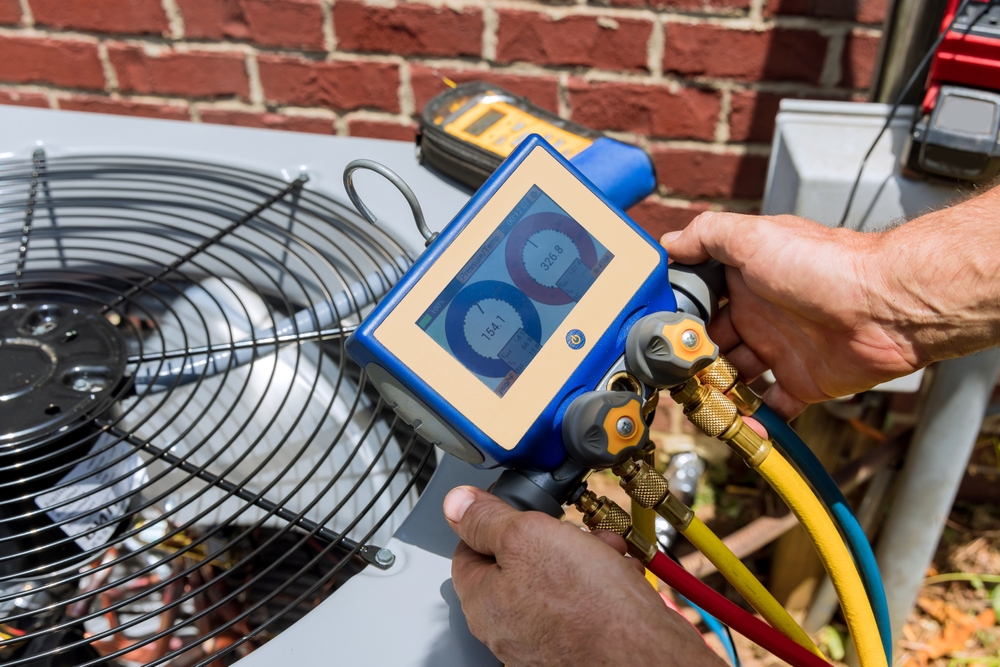
Have you ever noticed a strange smell coming from your AC and wondered, “What does AC refrigerant smell like?” Knowing this can help you spot problems early and keep your home safe.
If your air conditioner smells unusual, it might be more than just a minor annoyance—it could signal a refrigerant leak that needs your attention. You’ll discover exactly what that smell is like, why it happens, and what you should do if you catch it.
Keep reading to protect your comfort and your health.
Common Ac Refrigerants
Common AC refrigerants are the substances that help cool the air inside air conditioners. These chemicals absorb heat and release it outside, making rooms cooler. Different types of refrigerants have unique smells and properties. Understanding these can help identify leaks or issues in AC systems.
Types Of Refrigerants
- R-22:Known as Freon, it was widely used in older AC units. It has a faint, sweet smell.
- R-410A:A newer, eco-friendlier refrigerant. It has little to no smell.
- R-134a:Common in car air conditioners. It has a mild, ether-like scent.
- R-32:Increasingly popular for residential use. It has a faint chemical odor.
Chemical Properties
AC refrigerants are typically colorless gases or liquids. They are non-flammable or mildly flammable depending on type. Most refrigerants have low toxicity but can cause dizziness if inhaled in large amounts. Their chemical structure allows them to easily change from liquid to gas, which helps cool the air.
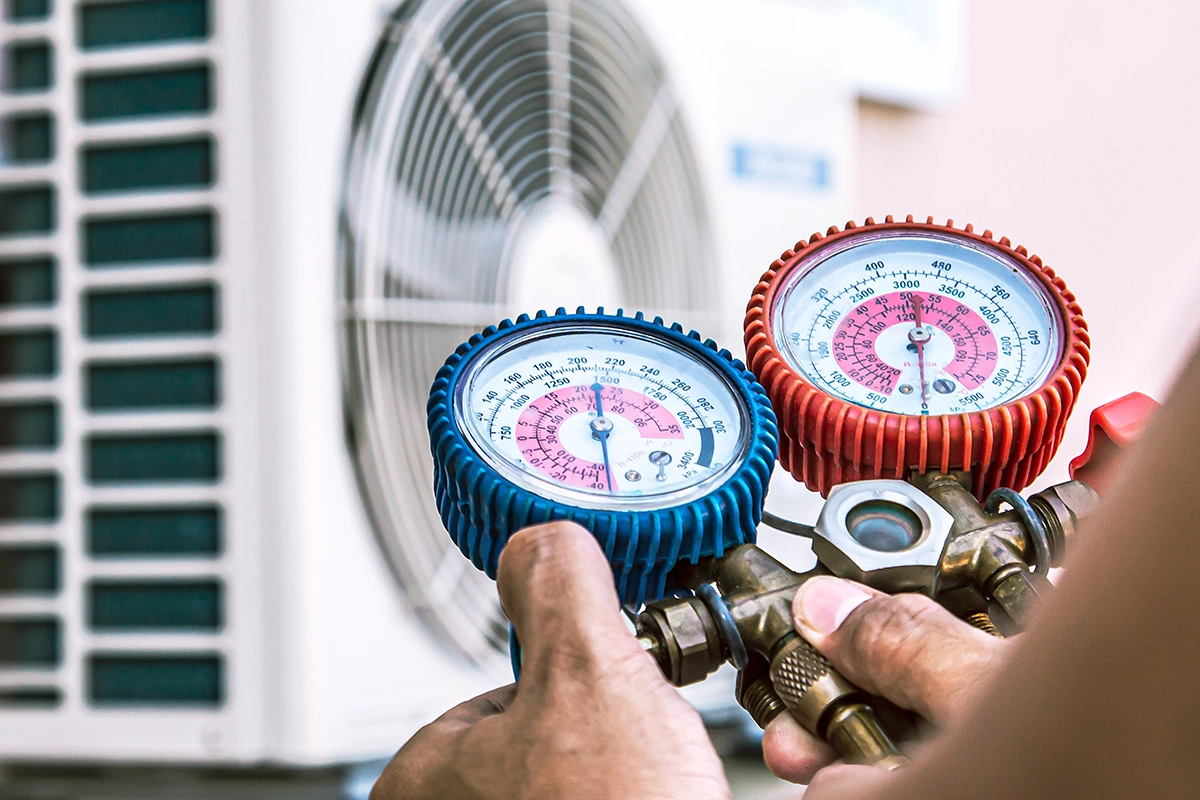
Credit: subzerotempcontrol.com
Typical Odors Of Refrigerants
Refrigerants used in AC systems often have distinct odors that can alert you to leaks or malfunctions. Recognizing these scents can help you identify issues early before they become costly repairs. Understanding what refrigerants typically smell like also ensures you handle them safely and avoid unnecessary exposure.
Sweet And Ether-like Scents
Many refrigerants emit a sweet or ether-like smell. This scent can remind you of nail polish remover or certain cleaning solvents. If you notice this odor near your AC unit, it might indicate a refrigerant leak, which requires immediate attention to prevent system damage.
Have you ever walked past an AC unit and caught a faint, sweet smell? That’s often a sign of refrigerant escaping. While it might seem harmless, this odor signals that your system isn’t sealed properly and could harm the environment or your health.
Sharp Or Chemical Smells
Some refrigerants give off a sharp, chemical-like smell, similar to ammonia or bleach. This pungent scent can be quite strong and irritating to your nose and eyes. If you detect this sharp odor, it’s important to ventilate the area and check your AC system immediately.
Sharp chemical smells can also mean the refrigerant is mixed with other substances or the system has overheated. These odors aren’t just unpleasant—they’re a warning. Ignoring them can lead to serious mechanical failures or health risks, so stay alert to these signs.
Causes Of Refrigerant Smell
Refrigerant smell in an air conditioning system can signal issues that need attention. This odor does not appear without cause. Understanding what causes this smell helps in spotting problems early. Two main reasons explain why refrigerant smells occur.
Leaks In The System
Leaks are a common cause of refrigerant smell. Small cracks or holes in pipes and connections let refrigerant escape. The gas has a distinct, sweet, or ether-like smell. This scent spreads around the area with the leak. Leaks reduce system efficiency and can harm the environment. Detecting leaks early prevents bigger repairs and health risks.
Decomposition And Chemical Reactions
Refrigerants can break down under high heat or electrical faults. This breakdown releases new chemicals with strong odors. Burning or overheating parts in the AC system cause these reactions. The smell may be sharp, pungent, or even similar to burning plastic. Such chemical changes signal serious system problems. Immediate inspection is crucial to avoid damage or hazards.
Health Risks Of Refrigerant Exposure
Exposure to AC refrigerants can pose serious health risks. These chemicals are often colorless and have a faint, sweet or ether-like smell. Breathing in refrigerant vapors can affect your body in different ways. The effects depend on how much and how long you are exposed. Understanding these risks helps you stay safe and avoid harm.
Short-term Symptoms
- Dizziness and headache
- Eye, nose, and throat irritation
- Difficulty breathing or coughing
- Nausea or vomiting
- Skin redness or rash from contact
- Fatigue and weakness
These symptoms often appear quickly after inhaling refrigerant gases. Immediate fresh air and medical help may be needed.
Long-term Effects
- Chronic lung damage
- Heart rhythm problems
- Nervous system issues such as memory loss
- Kidney and liver damage
- Potential risk of cancer with prolonged exposure
Long-term exposure is rare but serious. It usually happens in workplaces with poor safety measures.
Detecting Refrigerant Leaks
Ac refrigerant often smells sweet or similar to ether. Detecting this odor early helps find leaks before damage occurs. Noticing unusual scents near your AC signals a possible refrigerant leak.
Detecting refrigerant leaks in your AC system is crucial. Leaks can lead to reduced cooling efficiency and higher energy bills. They can also be harmful to the environment. Identifying leaks early can save you time and money.Visual And Sensory Indicators
Refrigerant leaks often leave visible clues. Look for oily residue around the AC unit. It can indicate a leak. Frost buildup on components can also signal trouble. Another key indicator is the smell. Refrigerant has a sweet, chemical odor. If you notice this, investigate further. Listen for unusual hissing sounds. These can be signs of escaping gas.Use Of Leak Detectors
Leak detectors are valuable tools. They help find refrigerant leaks precisely. These devices detect gas presence in the air. They are sensitive and accurate. Electronic detectors are common and effective. They alert you with sounds or lights. Use them near suspected leak areas. Another option is UV dye. Inject it into the AC system. It makes leaks visible under UV light. This method is safe and reliable. Detecting leaks promptly prevents bigger issues. Regular maintenance checks are essential. Keep your AC running efficiently and safely.Safety Measures When Smelling Refrigerant
Smelling refrigerant from an AC unit signals a potential leak. This can be dangerous for health and safety. Knowing the right safety measures helps prevent harm. Acting fast limits exposure to harmful chemicals.
Immediate Actions
- Leave the area immediately to avoid inhaling fumes.
- Open windows and doors to improve ventilation.
- Avoid using open flames or electrical switches near the leak.
- Call a professional technician to inspect and repair the leak.
- Do not try to fix the leak yourself without proper tools.
- Inform others nearby to stay clear of the area.
Preventive Maintenance Tips
- Schedule regular AC system check-ups by certified technicians.
- Inspect refrigerant lines for cracks or damage frequently.
- Keep the AC unit clean and free of debris.
- Replace worn-out parts promptly to avoid leaks.
- Monitor system performance for unusual noises or smells.
- Use only recommended refrigerants for your AC model.
When To Call A Professional
Detecting a strange smell from your AC refrigerant is a sign to act quickly. Some issues need expert attention to avoid damage or health risks. Knowing when to call a professional ensures safety and proper repair.
Signs Of Serious Leaks
- Strong chemical or sweet smell near the AC unit
- Reduced cooling performance or uneven airflow
- Hissing or bubbling noises from the system
- Visible oily residue or frost on pipes
- Increased energy bills without clear reason
- Frequent system cycling on and off
These signs can indicate a dangerous refrigerant leak. Do not try to fix leaks yourself. Refrigerants can be harmful if handled improperly.
Choosing A Certified Technician
Always hire a certified HVAC technician for refrigerant issues. Certified professionals have proper training and tools. They follow safety rules and environmental regulations. This ensures the leak is fixed correctly and safely.
Ask for credentials and reviews before hiring. A skilled technician protects your home and health. Proper service extends your AC system’s life and efficiency.
Credit: airaceheatingandcooling.com

Credit: northnjhvac.com
Frequently Asked Questions
What Does Ac Refrigerant Smell Like?
AC refrigerant often has a slightly sweet or ether-like smell. Some types emit a faint chemical odor. The scent is usually subtle but can be noticeable during leaks. It’s important to identify it early for safety and repair.
Can Ac Refrigerant Smell Indicate A Leak?
Yes, a distinct chemical or sweet smell can signal a refrigerant leak. Leaks reduce cooling efficiency and can harm the environment. If you detect such odors, inspect your AC system promptly or call a professional.
Is The Smell Of Ac Refrigerant Harmful?
Inhaling refrigerant fumes can be harmful and cause headaches or dizziness. Avoid prolonged exposure to refrigerant smells. Always ventilate the area and seek professional help if you suspect a leak.
Why Does My Ac Sometimes Smell Like Chemicals?
Chemical smells from your AC often indicate refrigerant leaks or system issues. It may also result from contaminated air filters or mold. Regular maintenance helps prevent these odors and keeps air quality safe.
Conclusion
AC refrigerant often has a sharp, chemical smell. It can remind you of sweet or ether-like scents. This smell may signal a leak in your system. Breathing it in is unsafe, so act quickly. Regular checks help keep your AC safe and strong.
Knowing this smell helps you spot problems early. Stay alert and protect your home’s air quality.