Have you ever picked up a fishing rod and wondered what “action” really means? Understanding the action of your rod can change how you fish and improve your catch.
It’s not just a fancy term—it’s about how your rod bends and responds when you cast or fight a fish. Knowing this can help you choose the right rod for your style and make every fishing trip more successful. Keep reading, and you’ll discover exactly what rod action means and how it affects your fishing experience.

Credit: anglersresource.net
Action Types
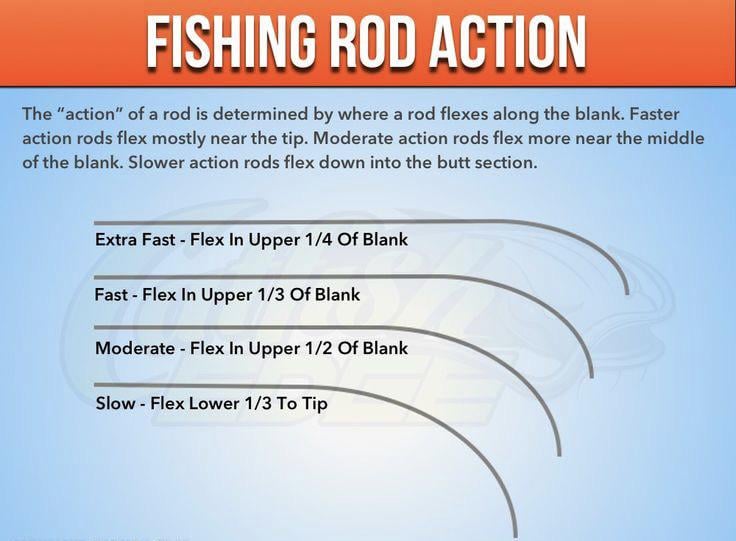
The action of a fishing rod tells how much the rod bends when you pull the line. It affects how fast the rod bends and recovers.
Understanding action types helps you choose the right rod for your fishing style and the fish you want to catch.
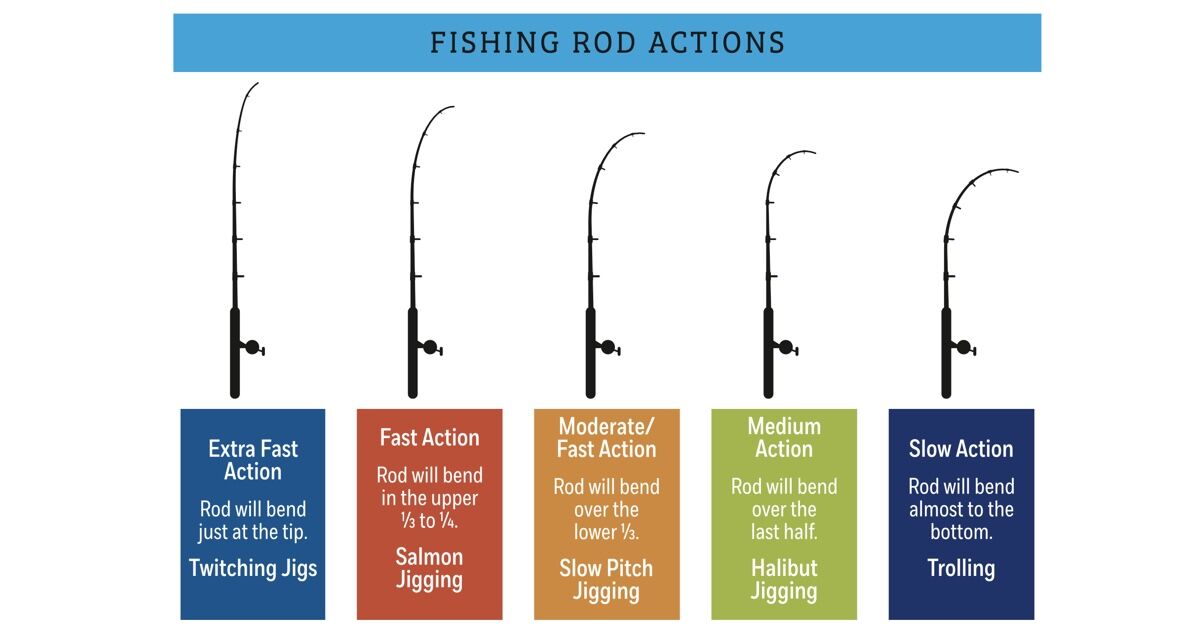
Fast Action
Fast action rods bend mostly near the tip. They are stiff in the lower part of the rod.
These rods let you cast far and feel bites quickly. They are good for heavy lures and big fish.
- Bends 20-30% of the rod length
- Quick hook sets
- Good for single hook lures
Medium Action
Medium action rods bend from the middle to the tip. They have a balanced bend and power.
These rods work well for many fishing types. They offer good control and casting distance.
- Bends 30-60% of the rod length
- Versatile for various lures
- Good for moderate hook sets
Slow Action
Slow action rods bend along the whole length. They flex easily under light pressure.
These rods are gentle on small fish and soft baits. They offer smooth casting and less hook pull.
- Bends 60-100% of the rod length
- Best for light lures and small fish
- Soft hook sets to protect bait

Credit: www.reddit.com
Impact On Casting
The action of a fishing rod shows how it bends under pressure. It affects how you cast your line. Different actions change the rod’s flexibility and speed.
Understanding rod action helps improve your casting skills. It affects both the distance you can cast and how accurate your cast will be.
Casting Distance
Rod action influences how far you can cast your lure. Fast action rods bend near the tip, storing more energy. This energy releases quickly, helping the lure fly farther.
- Fast action:Offers longer casts with more power.
- Medium action:Balances distance and control.
- Slow action:Bends throughout the rod, reducing casting distance.
Casting Accuracy
Rod action also affects how accurate your cast is. Slow and medium action rods give better control. They help place the lure exactly where you want.
| Rod Action | Accuracy Level | Best Use |
|---|---|---|
| Fast | Medium | Long casts where precision is less critical |
| Medium | High | General fishing with balanced control |
| Slow | Very High | Short casts needing precise placement |
Effect On Hook Setting
The action of a fishing rod affects how well you can set a hook. It changes how the rod feels when a fish bites.
Understanding action helps anglers improve their hook setting skill and catch more fish.
Sensitivity And Response
Rod action influences sensitivity and how fast the rod reacts to fish bites. Fast action rods bend near the tip and feel bites quickly. Slow action rods bend more, making it harder to feel light bites.
- Fast action rods detect bites faster.
- Medium action rods offer a balance of sensitivity and flexibility.
- Slow action rods are less sensitive but good for smaller fish.
Hook Penetration
Rod action also affects how well the hook penetrates the fish’s mouth. A fast action rod allows stronger and quicker hook sets. Slow action rods absorb some energy, which can reduce hook penetration.
| Rod Action | Hook Penetration | Best Use |
| Fast | High | Large, strong fish |
| Medium | Moderate | General fishing |
| Slow | Lower | Small fish, light tackle |
Choosing The Right Action
Action on a fishing rod shows how much the rod bends under pressure. It affects how you feel bites and cast your line. Picking the right action helps you catch fish better.
Let’s explore how target fish, fishing techniques, and rod design affect your choice of action.
Target Fish Species
Different fish need different rod actions. Fast action rods bend near the tip and give strong hook sets. Slow action rods bend more evenly and help with small fish.
- Fast action: good for big, strong fish like bass and pike
- Medium action: works well for trout and walleye
- Slow action: best for panfish and small species
Fishing Techniques
The way you fish changes the rod action you need. Some methods need quick responses. Others need smooth bends for better control.
| Technique | Recommended Action | Reason |
| Casting Lures | Fast | Quick hook sets and long casts |
| Live Bait Fishing | Medium | Balanced sensitivity and strength |
| Fly Fishing | Slow | Smooth bending for delicate line control |
Rod Material And Design
Rod materials and design affect action and feel. Graphite rods are light and sensitive. Fiberglass rods bend more and offer slow action.
Here is a simple comparison:
- Graphite:Fast action, light, sensitive
- Fiberglass:Slow action, durable, flexible
- Composite:Medium action, balanced strength and sensitivity
Common Misconceptions
Many people do not fully understand what “action” means on a fishing rod. This confusion leads to wrong choices and poor fishing experiences.
Action is often mistaken for other rod features. Clearing up these mistakes helps anglers pick the right rod for their needs.
Action Means Rod Flexibility, Not Strength
Some anglers think action shows how strong the rod is. It does not. Action tells how much and where the rod bends.
A fast action rod bends near the tip only. A slow action rod bends more deeply toward the handle.
Action Does Not Dictate Rod Power
People often confuse action with power. Power means how much weight the rod can hold. Action is about bending speed and location.
You can have a light power rod with fast action or a heavy power rod with slow action. They are separate features.
Action Is Not A Measure Of Rod Length
Many assume action relates to rod length. It does not. A long rod can have any action type, just like a short rod.
Length affects casting distance. Action affects how the rod bends and reacts during fishing.
Action Does Not Change How Heavy Your Lure Should Be
Some think rod action decides lure weight. Lure weight depends on rod power and manufacturer specs, not action.
Using the wrong lure weight can harm your rod or reduce casting efficiency. Always check power ratings for lure weight.
Maintenance Tips
Understanding the action of a fishing rod helps in proper care. Good maintenance keeps the rod working well for a long time.
Simple steps can protect your rod’s action and improve your fishing experience.
Checking Rod Flexibility
Rod action depends on its flexibility. Check the rod’s bend to see if it works right. Gently bend the rod to test if it flexes smoothly without cracks.
Look for any stiff or weak spots. These can change the rod’s action and cause problems while fishing.
- Bend the rod slowly to avoid damage.
- Check for smooth, even bending along the rod.
- Do not force the rod beyond its normal flex range.
- Inspect for cracks or breaks during the test.
Storage Practices
Proper storage keeps the rod’s action steady. Store the rod in a dry place to avoid damage from moisture.
Keep the rod straight or in a rod holder. Avoid leaning it against walls or bending it during storage.
- Use a rod case for travel and storage.
- Store rods vertically or horizontally with support.
- Keep rods away from direct sunlight and heat.
- Clean the rod before storing to remove dirt and salt.
Credit: islandfishermanmagazine.com
Frequently Asked Questions
What Does Action Mean On A Fishing Rod?
Action refers to how much and where a rod bends when pressure is applied. It affects sensitivity and casting performance.
How Does Rod Action Affect Fishing?
Rod action influences hook setting, lure control, and fighting fish. Faster action rods offer more sensitivity and power.
What Are The Types Of Fishing Rod Action?
Common types include fast, medium, and slow action. Fast rods bend near the tip, slow rods bend throughout.
Which Rod Action Suits Beginners Best?
Medium action rods are ideal for beginners. They provide a balance of flexibility and control for various fishing styles.
Conclusion
Choosing the right action on a fishing rod changes how you fish. Fast action rods bend near the tip for quick hook sets. Slow action rods bend more, giving better control with light lures. Medium action rods offer a good balance for many fishing styles.
Knowing rod action helps you catch fish easier and enjoy fishing more. Always match the rod action to the fish you want and your fishing style. This simple step makes your fishing trips more fun and successful.