Have you ever wondered why your air conditioner suddenly stops cooling or struggles to start? The answer might lie in a small but powerful part called the capacitor.
Understanding what an air conditioner capacitor does can save you from unexpected breakdowns and costly repairs. You’ll discover how this tiny component plays a big role in keeping your home cool and comfortable. Keep reading to learn how your AC capacitor works and why it’s so important for your system’s performance.
Role Of Capacitor In Air Conditioners
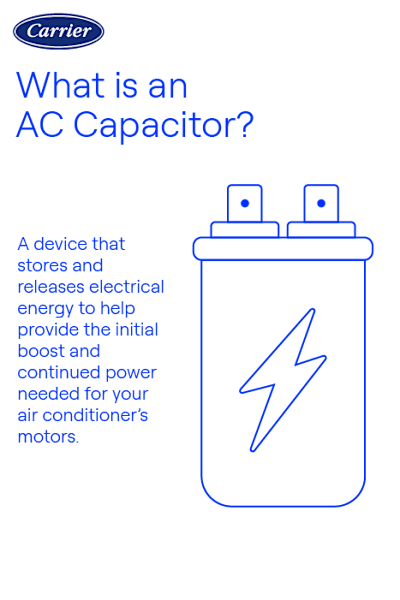
A capacitor in an air conditioner helps start and run the motor. It stores electrical energy and releases it quickly. This quick release gives the motor a boost to start spinning.
Without a capacitor, the motor may not start or work properly. It keeps the fan and compressor running smoothly. This ensures the air conditioner cools the room efficiently.
| Type of Capacitor | Purpose |
|---|---|
| Start Capacitor | Provides extra power to start the motor |
| Run Capacitor | Keeps the motor running efficiently after starting |
| Dual Capacitor | Combines start and run functions in one unit |

Credit: www.amazon.ca
How Capacitors Affect Ac Performance
The capacitorhelps start the compressorand fan motorin an air conditioner. It stores and releases electrical energy quickly. This power boost allows the motors to begin running smoothly.
Without a good capacitor, the compressor may fail to start or run poorly. The fan motor also needs this extra push to operate efficiently. Both parts depend on the capacitor for reliable power.
Maintaining efficient operationmeans the capacitor must work well. A weak or damaged capacitor can cause the AC to use more energy. It might also make strange noises or stop cooling properly.
- Ensures quick motor startup
- Helps maintain steady power flow
- Improves energy efficiency
- Prevents motor overheating
Signs Of A Failing Capacitor
Signs of a failing capacitorinclude strange noises and slow fan start. You might notice the air conditioner not cooling wellor cycling on and off frequently. Sometimes, the fan does not run at all, or the unit takes longer to start.
Common symptomsoften show as a buzzing sound or the unit shutting down unexpectedly. The capacitor may look swollen or leaking, which is a clear sign of failure. These symptoms affect the unit’s performance and can cause more damage if not fixed.
Impact on cooling efficiencyis significant. A weak capacitor can cause the compressor and fan motor to struggle. This leads to poor airflow and warmer air inside your home. Energy use may rise, causing higher bills. Fixing a bad capacitor can restore proper cooling and save energy.

Credit: www.youtube.com
Capacitor Replacement And Maintenance
Signs of a failing capacitorinclude slow fan start, humming noise, or no cooling. Capacitors often fail after years of use or during extreme weather. Replacement should be done if the air conditioner struggles to start or stops suddenly. Regular checks can catch issues early.
Safety is key during capacitor replacement. Always turn off powerat the breaker. Use a screwdriver to discharge the capacitor before touching it. Avoid direct contact with terminals; capacitors store electric charge. Wear insulated gloves and use tools with insulated handles. If unsure, call a professional technician.
Improving Ac Lifespan With Capacitor Care
Regular checks of the air conditioner capacitorhelp avoid sudden breakdowns. Look for signs like swelling, leaking, or corrosion. These signs show the capacitor may fail soon.
Keep the capacitor clean and dry. Dust and moisture cause damage. Use a soft cloth to wipe it gently.
- Turn off powerbefore inspecting the capacitor.
- Check for burn marks or bulgeson the capacitor.
- Listen for humming or clicking soundsfrom the AC unit.
Preventive care extends the life of the air conditioner. Replace the capacitor as recommended by a professional. This helps maintain efficient coolingand low energy use.

Credit: www.reddit.com
Frequently Asked Questions
What Is The Function Of An Air Conditioner Capacitor?
An air conditioner capacitor stores electrical energy. It helps start and run the compressor and fan motors efficiently. This improves the AC unit’s performance and energy use.
How Does A Capacitor Affect Ac Performance?
A capacitor provides the necessary power boost. It ensures motors run smoothly without overheating. Without it, the AC might struggle to cool properly or fail to start.
Can A Faulty Capacitor Damage My Air Conditioner?
Yes, a bad capacitor can cause motor failure. It may lead to overheating and increased energy consumption. Replacing it promptly prevents costly repairs and extends AC lifespan.
How Do I Know If My Ac Capacitor Is Bad?
Signs include slow fan movement, humming noise, or no start. A swollen or leaking capacitor is a clear visual cue. Testing with a multimeter confirms its condition.
Conclusion
Understanding an air conditioner capacitor is vital. It powers your cooling system efficiently. A faulty capacitor can disrupt this process. Regular checks help maintain performance. Replace it if there’s a problem. This ensures your air conditioner runs smoothly. Saves you from unexpected breakdowns too.
Keep your home cool and comfortable. It’s simple and essential maintenance. Never underestimate its importance. Stay cool and informed. Your air conditioner will thank you.