Have you ever noticed a strange smell coming from your air conditioner and wondered what it could be? Understanding what air conditioner refrigerant smells like can help you spot problems early and keep your home safe.
If you’ve caught a weird odor, it’s important to know if it’s just a minor issue or something that needs immediate attention. Keep reading to learn how to identify the scent of refrigerant and what it means for your air conditioner’s health.
This simple knowledge could save you time, money, and hassle down the line.

Credit: subzerotempcontrol.com
Common Air Conditioner Refrigerants
Common air conditioner refrigerants are essential components that keep your home cool and comfortable. Understanding what types are used and their distinct smells can help you identify issues early. Let’s look at the most common refrigerants and what you might notice if there’s a leak.
Types Of Refrigerants Used
Several types of refrigerants are common in air conditioners, each with unique features:
- R-22 (Freon)– Once widely used, it’s being phased out due to environmental concerns.
- R-410A (Puron)– The current standard for newer AC units, known for better efficiency and no ozone depletion.
- R-32– Increasingly popular for its lower environmental impact and higher energy efficiency.
- R-134a– Often used in specific cooling systems but less common in residential air conditioners.
Have you ever wondered why your AC smells unusual during a leak? It often depends on the refrigerant type inside your system.
Chemical Properties And Odors
Most refrigerants are colorless and odorless, making leaks hard to detect by smell alone. However, some contain additives or breakdown into compounds that produce a noticeable scent.
For instance, R-22 can emit a faintly sweet or ether-like smell when leaking. R-410A tends to have little odor, but if mixed with lubricant oil, you might notice a slightly chemical or oily scent.
Do you know what a refrigerant leak smells like in your home? Recognizing these subtle odors can save you from costly repairs and health risks. It’s wise to pay attention to unusual smells near your air conditioner, especially if they resemble chemicals or solvents.
Identifying Refrigerant Smells
Recognizing the smell of air conditioner refrigerant can help you spot leaks early and avoid costly repairs or health risks. Refrigerants often emit distinct odors, but these smells vary depending on the type of chemical used. Knowing what to expect can make a big difference in how quickly you respond to a potential problem.
Typical Odor Characteristics
Refrigerants usually have a faint, sweet or ether-like smell that some people find slightly chemical or metallic. The scent is often subtle, so you might only notice it near the unit or if there’s a leak. Sometimes, the smell can be sharp or pungent, which should raise immediate concern.
Have you ever caught a strange, almost sweet odor near your AC and ignored it? That might have been the refrigerant warning you missed. Pay attention to unusual smells around your system—they rarely appear without cause.
How Refrigerants Differ In Smell
Different types of refrigerants produce different odors. For instance, older refrigerants like Freon (R-22) often have a slightly sweet, chloroform-like scent. Newer refrigerants such as R-410A may smell more like a faint chemical or even be almost odorless.
Some refrigerants include additives that give them a distinctive odor to help detect leaks faster. These additives can make the smell stronger or more noticeable, resembling a bitter almond or ether scent. Knowing which refrigerant your system uses can help you better identify any leaks by their smell.
Causes Of Refrigerant Leaks
Refrigerant leaks often happen due to old or damaged pipes and loose connections. Tiny holes or cracks can let the gas escape, causing a noticeable chemical smell. This odor usually resembles something sweet or like a mix of oil and chemicals.
Refrigerant leaks in air conditioners can be a cause for concern, both for your comfort and the environment. Understanding what causes these leaks can help you take preventive measures and maintain your AC unit’s efficiency. Leaks can occur due to various reasons, often linked to the physical condition and installation of your air conditioner.Common Leak Sources
Air conditioners have several components that can be prone to leaks. The evaporator coil is a common area, as it is often exposed to moisture and fluctuating temperatures, which can lead to corrosion over time. Another potential source is the refrigerant lines themselves, particularly if they are not properly insulated or are subject to wear and tear. Did you know that poor installation can also lead to refrigerant leaks? Improperly connected joints or fittings might start leaking slowly, which can go unnoticed until the cooling efficiency drops.Signs Of A Refrigerant Leak
How can you tell if your air conditioner is leaking refrigerant? One of the most noticeable signs is a hissing or bubbling sound coming from your unit. This noise often indicates that gas is escaping from the system. Another telltale sign is reduced cooling performance. If your AC struggles to maintain the desired temperature, a refrigerant leak might be the culprit. You might also notice that the air coming from the vents isn’t as cold as it used to be. Have you ever noticed ice forming on the evaporator coil or refrigerant lines? This could be another sign of a refrigerant leak. When refrigerant levels drop, the pressure in the system decreases, causing the coil to freeze. If you suspect a leak, it’s crucial to act quickly. Ignoring these signs can lead to higher energy bills and potentially damage your AC unit. Regular maintenance and professional inspections can help prevent leaks and extend the life of your air conditioner.
Credit: www.reddit.com
Health Risks From Refrigerant Exposure
Exposure to air conditioner refrigerant carries health risks. The chemicals in refrigerants can harm your body. Understanding these risks helps you stay safe around AC units.
Short-term Effects
Breathing in refrigerant fumes can cause headaches and dizziness. You might feel nausea or throat irritation. Skin contact may lead to redness or burns. High exposure can cause coughing and difficulty breathing. These symptoms appear quickly after exposure.
Long-term Consequences
Repeated exposure to refrigerants can damage your lungs. It may harm your nervous system, causing memory problems. Some refrigerants affect the heart and liver over time. Long-term contact can lead to chronic respiratory issues. Protect yourself by avoiding prolonged refrigerant exposure.
Detecting Refrigerant Odors Safely
Detecting refrigerant odors safely is vital for home and workplace safety. Refrigerants can leak from air conditioners, causing health risks and system damage. Knowing how to identify these smells and respond correctly helps prevent accidents and costly repairs.
Always approach suspected refrigerant leaks with caution. Some refrigerants have a faint sweet or ether-like smell, but not all leaks are easy to detect by scent alone. Using proper tools and techniques can improve safety and accuracy.
Tools And Techniques
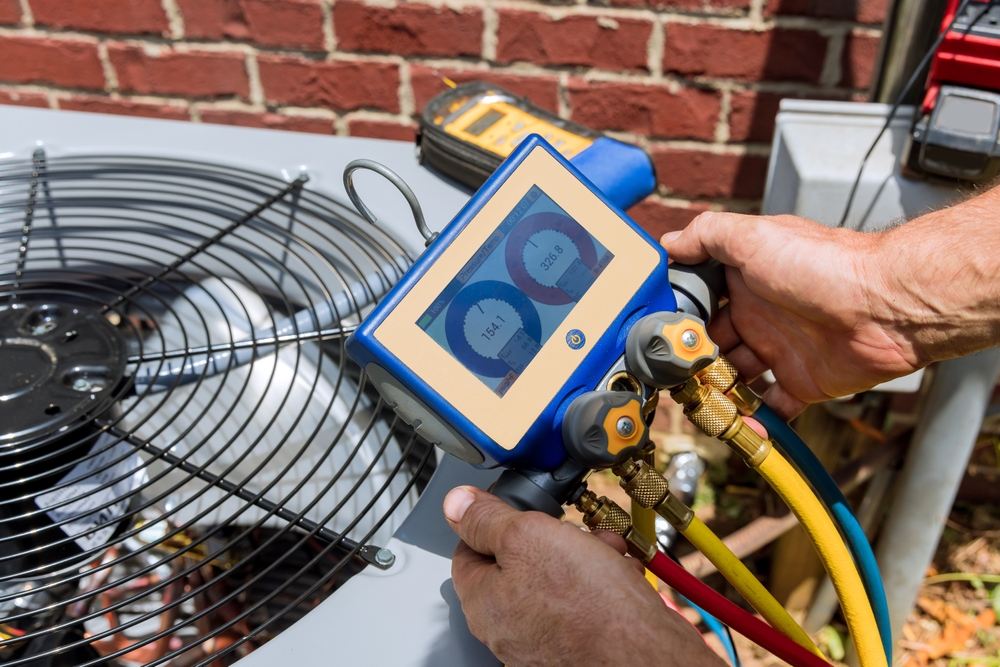
Several tools help find refrigerant leaks without direct exposure. A refrigerant leak detector is an electronic device that senses gas presence quickly. These detectors alert you with sounds or lights when they find refrigerant.
Other useful methods include:
- Soap and water solution: Apply to suspected areas; bubbles form if there is a leak.
- UV dye kits: Inject dye into the system; leaks show under UV light.
- Visual inspection: Look for oily residue or frost on pipes and connections.
Always wear protective gloves and goggles while checking. Avoid inhaling near the suspected leak. Ventilate the area to reduce any harmful gas concentration.
When To Call A Professional
Some leaks are too small or hidden to detect safely. A certified HVAC technician has the right tools and training. They can find leaks without risk and repair them properly.
Call a professional if you notice:
- A strong chemical or sweet smell near your air conditioner.
- Reduced cooling efficiency or unusual noises from the unit.
- Visible signs of damage or oil stains on AC components.
- Any health symptoms like headaches or dizziness when near the system.
Prompt professional help keeps your home safe and your air conditioner working well. Do not try to fix refrigerant leaks yourself.
Preventing Refrigerant Leaks
Preventing refrigerant leaks is essential for safe and efficient air conditioner use. Leaks reduce cooling power and harm the environment. Small leaks can cause big problems over time. Detecting and fixing leaks early helps avoid costly repairs. Proper care extends your AC’s life and keeps indoor air fresh. Follow simple steps to minimize leak risks and maintain system health.
Maintenance Tips
- Check refrigerant levels regularly to spot drops early.
- Inspect AC coils and connections for signs of wear.
- Clean or replace air filters to prevent strain on the system.
- Schedule professional tune-ups at least once a year.
- Listen for unusual noises that may indicate leaks.
- Seal and insulate refrigerant lines to protect from damage.
Upgrading To Safer Refrigerants
Older AC models often use refrigerants that can leak easily. Newer refrigerants reduce leak risk and environmental impact. They work efficiently and meet current safety standards. Ask a professional about converting your system to safer options. Upgrading can improve performance and lower energy costs. Safer refrigerants protect your health and the planet.
Credit: airaceheatingandcooling.com
Frequently Asked Questions
What Does Air Conditioner Refrigerant Smell Like?
Air conditioner refrigerant often has a faint chemical or sweet odor. It’s usually subtle but noticeable near leaks. The smell can vary slightly depending on the refrigerant type used in the system.
Is Refrigerant Smell Harmful To Health?
Yes, inhaling refrigerant fumes can be harmful. It may cause dizziness, headaches, or respiratory issues. Always ensure proper ventilation and avoid direct exposure to leaks.
How To Identify A Refrigerant Leak By Smell?
A refrigerant leak smell is often sweet or ether-like. If you notice this near your AC unit, it may indicate a leak. Prompt inspection and repair are essential to prevent damage.
Can I Smell Refrigerant If There Is No Leak?
No, refrigerant is odorless when contained properly. You usually only smell it if there is a leak or release. Proper maintenance prevents any detectable refrigerant odor.
Conclusion
Air conditioner refrigerant has a unique smell you should know. It often smells sweet or like chemicals. This smell can signal a leak, which may harm your health. Always pay attention to strange odors near your AC unit. Acting quickly can protect your home and family.
Regular checks help keep your system safe and working well. Remember, knowing this smell helps you stay alert and safe.