
Have you ever wondered why your air conditioner sometimes struggles to start or suddenly stops working? The answer might lie in a small but powerful component called the capacitor.
Understanding what an air conditioner capacitor does can save you time, money, and frustration. You’ll discover how this tiny part plays a big role in keeping your home cool and comfortable. Keep reading to learn how it works and why it’s so important for your AC’s performance.
Role Of An Ac Capacitor
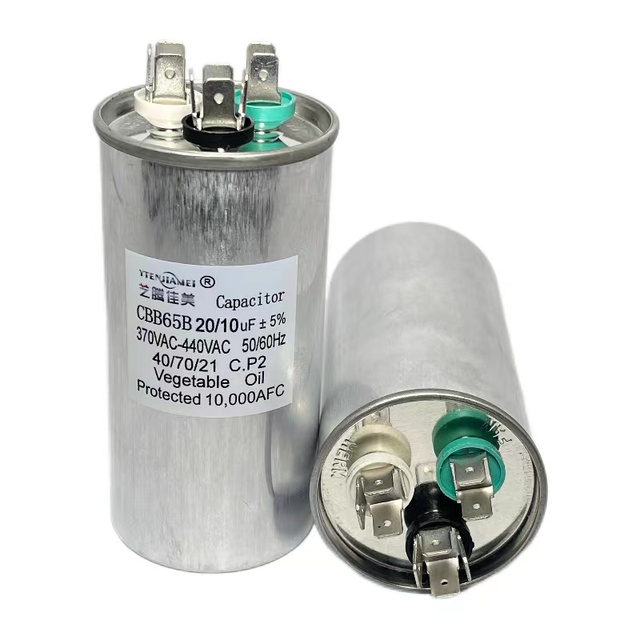
The AC capacitorhelps start and run the fan and compressor motors. It stores electrical energy and releases it quickly. This boost helps the motors run smoothly and efficiently.
There are two main types of capacitors in air conditioners:
- Start Capacitor:Provides a big energy boost to start the motor.
- Run Capacitor:Keeps the motor running steadily once started.
| Type | Function | Use |
|---|---|---|
| Start Capacitor | Gives extra power to start motors | Used only during motor start |
| Run Capacitor | Provides continuous power to run motors | Works while motor runs |
How It Affects Performance
The capacitorhelps start the compressorand fanin an air conditioner. It gives the extra energy boost needed to turn these parts on. Without a good capacitor, the compressor and fan might not start or work well.
Energy efficiency improves when the capacitor works properly. It allows the motor to run smoothly without using too much power. A bad capacitor can cause the air conditioner to use more electricity and cost more money.
- Starts the compressorquickly and easily
- Powers the fanto move cool air
- Reduces power usefor better efficiency
- Prevents motor strainand wear
Signs Of A Failing Capacitor
Common symptomsof a failing air conditioner capacitor include:
- AC unit struggles to start or does not start at all
- Unusual buzzing or humming noise from the unit
- Air conditioner turns off unexpectedly during operation
- Reduced cooling performance or weak airflow
- Frequent tripping of circuit breakers
Impact on air conditioner operationcan be severe. A bad capacitor can stop the compressor or fan motor from running. This causes the AC to overheat or shut down, leading to discomfort and higher repair costs. It can also increase energy bills as the system works harder. Replacing a failing capacitor early prevents damage to other parts of the AC system.
Credit: www.accio.com
Replacing An Ac Capacitor
Before replacing an AC capacitor, turn off the power at the breaker. Capacitors can hold a charge even when power is off. Use a screwdriver with an insulated handle to discharge the capacitor. Wear safety glasses and gloves to protect your eyes and hands. Avoid touching terminals with bare hands. Check the capacitor’s voltage rating and size to get the right replacement. Never rush the process. Safety is the top priority.
Disconnect the wires carefully, noting their position. Remove the old capacitor from its mount. Place the new capacitor in the same spot. Reattach the wires to the correct terminals. Double-check all connections. Turn the power back on and test the AC unit. Listen for normal operation sounds and check cooling performance.
Maintaining Your Capacitor
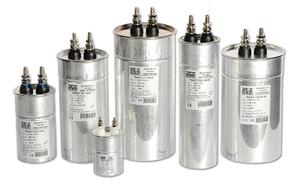
Regular checks keep your capacitorworking well. Look for signs like bulgingor leaking. These signs show the capacitor might fail soon. Use a multimeterto test if it holds the right charge. A weak capacitor makes the air conditioner hard to startor noisy.
Protect the capacitor from dustand moisture. Clean the area around it gently. Turn off the power before touching any parts. Keep the air conditioner in a dryplace. Avoid sudden power cuts to prevent damage.
Credit: www.apogeeweb.net

Credit: www.reddit.com
Frequently Asked Questions
What Is The Role Of A Capacitor In An Ac Unit?
The capacitor stores and releases energy to start the AC motor. It provides the initial jolt needed to power up the fan and compressor. Without a functioning capacitor, the air conditioner might struggle to start or not work at all.
How Can You Identify A Bad Ac Capacitor?
A bad capacitor might cause the AC to make humming noises. The unit could struggle to start or not start at all. It might also lead to intermittent cooling. Regular checks and timely replacement can prevent these issues.
Why Do Ac Capacitors Fail?
Capacitors can fail due to overheating, electrical surges, or age. High voltage fluctuations and prolonged usage in hot climates can accelerate their failure. Regular maintenance and checks can help in identifying and replacing worn-out capacitors.
Can I Replace An Ac Capacitor Myself?
Replacing an AC capacitor can be dangerous due to stored electrical energy. It’s recommended to hire a professional for safe and accurate replacement. DIY attempts can lead to injury or further damage to the unit if not handled properly.
Conclusion
An air conditioner capacitor helps start and run the motor smoothly. It stores and releases electrical energy quickly. Without it, your AC may not work well or stop altogether. Knowing its role can help you spot problems early. Regular checks keep your AC running longer and cooler.
Small parts like this make a big difference in comfort. Simple care prevents costly repairs later. Now, you understand why the capacitor matters in your AC system.