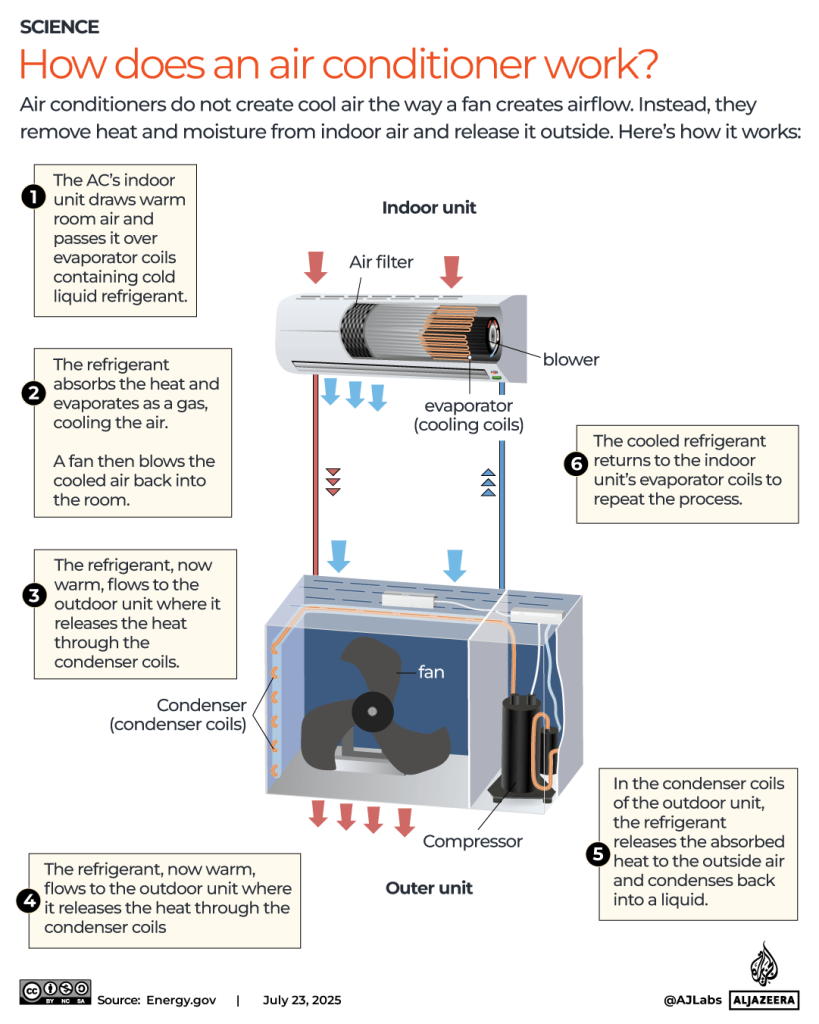
Have you ever wondered what makes your air conditioner cool the air so effectively? One key part working behind the scenes is the condenser.
Understanding what an air conditioner condenser does can help you keep your home comfortable and your system running smoothly. You’ll discover how this crucial component works and why it matters for your cooling comfort. Keep reading to unlock the secret to a cooler, more efficient home.
Credit: www.ecicomfort.com
Air Conditioner Condenser Basics
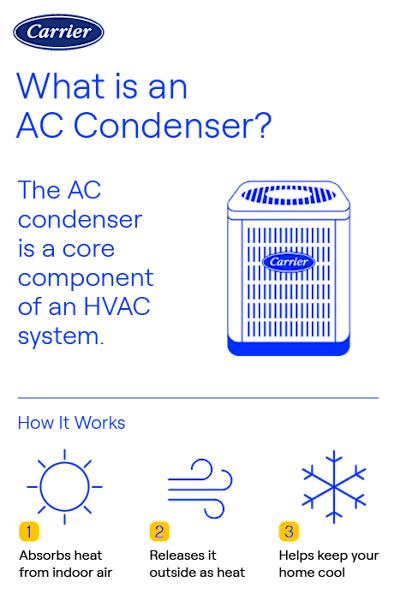
The air conditioner condenseris a key part of the cooling system. It helps change hot gas into cool liquid. This process lets the air conditioner remove heat from inside your home.
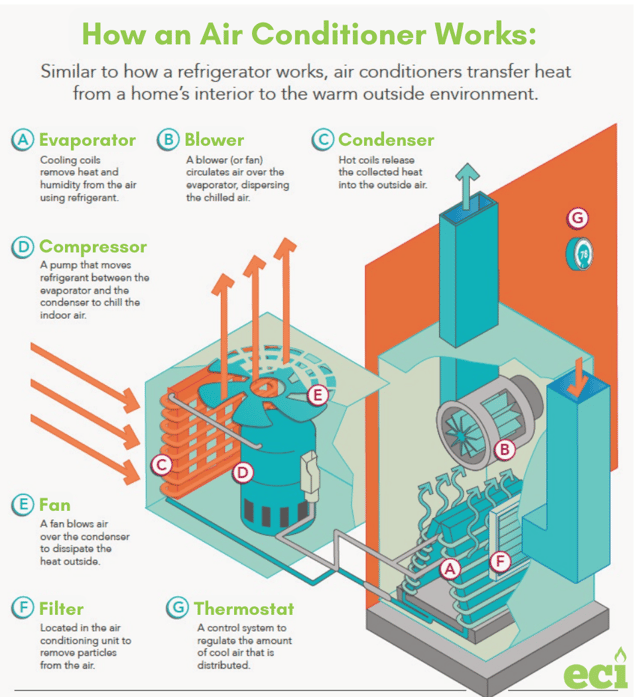
The role in the cooling systeminvolves releasing heat outside. The condenser takes hot refrigerant gas from the compressor. Then, it cools the gas down by sending air over it. This changes the gas to liquid form.
Key componentsof the condenser include:
- Coils:Thin tubes where the refrigerant flows and cools.
- Fins:Metal pieces that help move heat faster.
- Fan:Pushes air over the coils to cool the refrigerant.
- Compressor:Sends hot gas to the condenser (usually outside the condenser unit).
How The Condenser Works
The condenser plays a key role in the heat exchange process. It takes hot refrigerant gas from the compressor. The condenser cools this gas by releasing heat to the outside air. As the gas cools, it turns into a liquid. This step is crucial for the air conditioner to work well.
The refrigerant cyclemoves the refrigerant through different parts. It starts as a low-pressure gas and gets compressed into a high-pressure gas. Then, the condenser cools it into a liquid. This liquid goes to the evaporator inside the house. There, it absorbs heat from the air, making the room cooler. The cycle repeats to keep the air fresh and cold.
Types Of Condensers
Air-cooled condensersuse fans to blow air over coils. This cools the refrigerant inside. They are common in homes and small buildings. These units need good airflow and space around them.
Water-cooled condensersuse water to cool the refrigerant. Water flows through tubes and absorbs heat. These are often found in large buildings or factories. They are more efficient but need a water source.
Evaporative condenserscombine air and water to cool refrigerant. Water is sprayed on coils while air moves over them. The water evaporates, taking heat away. These are good where water use is limited but cooling is needed.
Common Issues With Condensers
Signs of malfunctionin an air conditioner condenser include unusual noises, reduced cooling, and frequent cycling. The condenser may also cause the system to overheat or freeze. Watch for water leaks or a burning smell near the unit. These signs show the condenser is not working properly and needs attention.
Causes of failurerange from dirt and debris buildup to electrical issues. Blocked fins or fans reduce airflow, making the condenser work harder. Refrigerant leaks lower cooling power and damage the compressor. Worn out parts, like the fan motor or capacitors, can stop the condenser from running. Regular cleaning and maintenance help avoid these problems.
Maintenance Tips
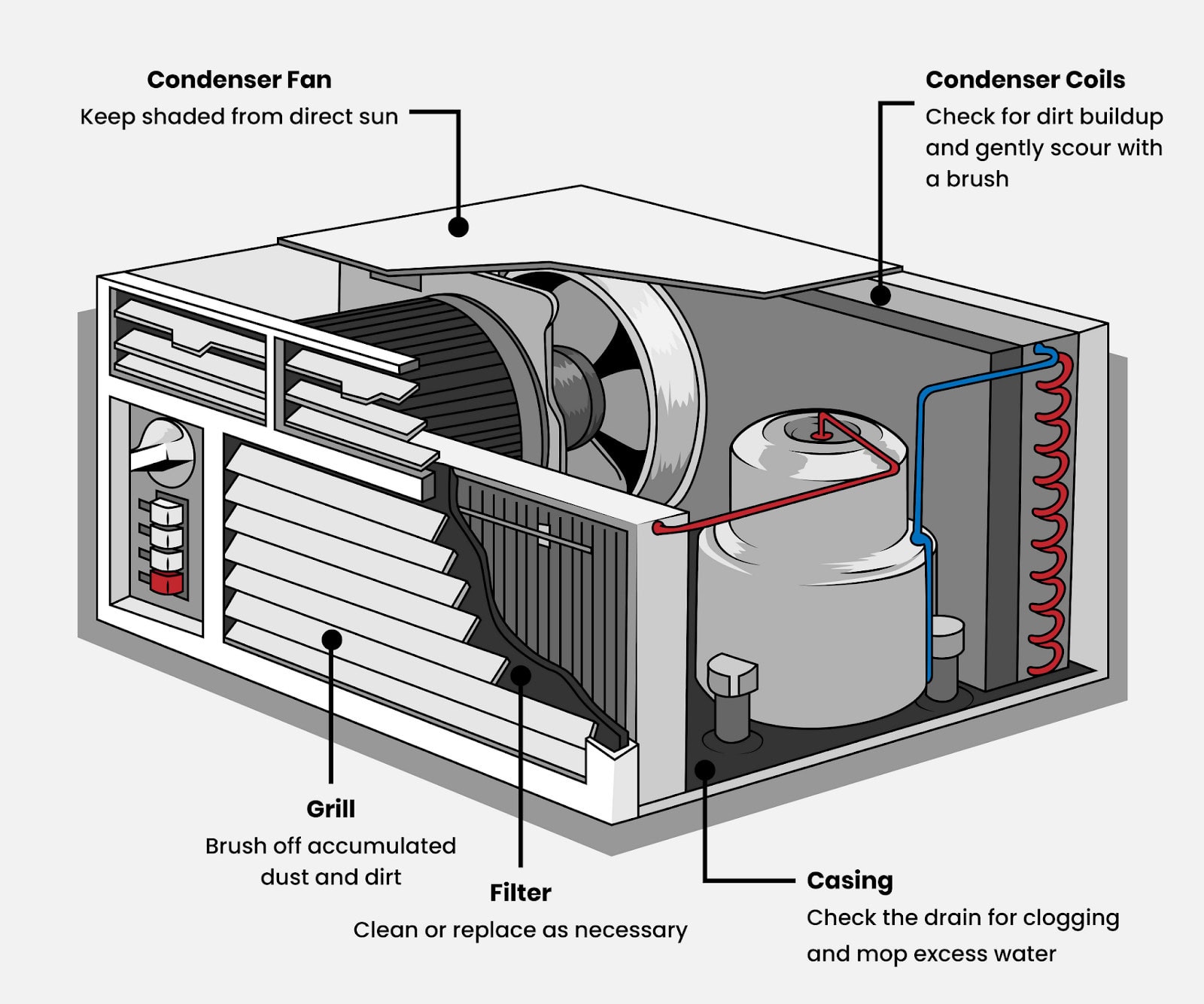
Cleaningthe condenser keeps it working well. Remove debrislike leaves and dirt from the outside. Use a soft brush or hose to gently clean the fins. Avoid bending the fins as they are delicate. Regular cleaning helps air flow freely and cools better.
Inspectionis key. Check the condenser for damageor rust. Look for leaksaround connections and pipes. Ensure the fan blades spin easily without noise. Tighten any loose screws or bolts. Spotting small issues early saves big repairs later.
- Call a professional if the unit won’t start.
- Strange noises or smells need expert help.
- If the condenser is very dirtyor damaged, a technician should clean or fix it.
- Regular yearly checkups by a pro keep the system efficient.
Credit: www.carrier.com
Improving Condenser Efficiency
Proper placement of an air conditioner condenser can boost its efficiency. It should be placed in a shady areaaway from direct sunlight. This helps the condenser stay cool and work better. Also, keep it clear of debrislike leaves and dirt. Good airflow around the unit is very important to avoid overheating.
Upgrading some parts can improve how well the condenser works. Using high-efficiency fanscan move air faster. Replacing old coils with newer, cleaner oneshelps heat move away from the unit quicker. Regular maintenance like cleaning and checking refrigerant levels can also make a big difference.
Credit: blog.totalhomesupply.com
Frequently Asked Questions
What Is The Function Of A Condenser In Ac?
The condenser in an air conditioner releases heat absorbed from indoors. It converts refrigerant gas into liquid, expelling heat outside. This process is crucial for maintaining indoor cooling. Proper condenser function ensures energy efficiency and prolongs the AC unit’s lifespan.
How Does An Ac Condenser Work?
An AC condenser works by converting refrigerant gas to liquid. It releases heat from the refrigerant outdoors. The condenser coils and fan facilitate this heat transfer. This cycle repeats, maintaining cool indoor temperatures. Efficient condenser operation is vital for effective air conditioning.
Why Is My Ac Condenser Not Working?
AC condenser issues can stem from electrical problems or blockages. Lack of maintenance, like dirty coils, can cause malfunctions. Regular inspections and cleaning ensure optimal performance. If problems persist, consult a professional technician. Addressing issues promptly prevents further damage and costly repairs.
Can I Clean My Ac Condenser Myself?
Yes, you can clean your AC condenser with care. Turn off the power before starting. Use a garden hose to rinse debris from the coils. Avoid using high pressure to prevent damage. Regular cleaning improves efficiency and extends the unit’s lifespan.
For thorough cleaning, consider professional maintenance.
Conclusion
The air conditioner condenser helps cool your home by removing heat. It works with other parts to keep air fresh and cool. Regular care keeps it running well and saves energy. Knowing its role makes it easier to spot problems early.
A clean condenser means better cooling and lower bills. Simple steps can extend its life and improve comfort. Understanding this part helps you appreciate your AC system more. Keep it clean and check it often for best results.