Have you ever noticed those hairy caterpillars crawling on trees in spring and wondered what they become? If you’ve seen an Eastern Tent Caterpillar, you might be curious about its next stage.
Understanding what this fuzzy creature turns into can change how you see these garden visitors. Keep reading, and you’ll discover the surprising transformation of the Eastern Tent Caterpillar and why it matters to your outdoor space.

Credit: plantwiseplusknowledgebank.org
Eastern Tent Caterpillar Basics
The Eastern Tent Caterpillar is a common moth larva in North America. It is famous for building silk tents in trees.
This caterpillar changes into a moth after its growth. Its life cycle and habits are interesting to learn about.
Physical Appearance
Eastern Tent Caterpillars have hairy bodies with blue and black stripes. They have a white stripe down their back.
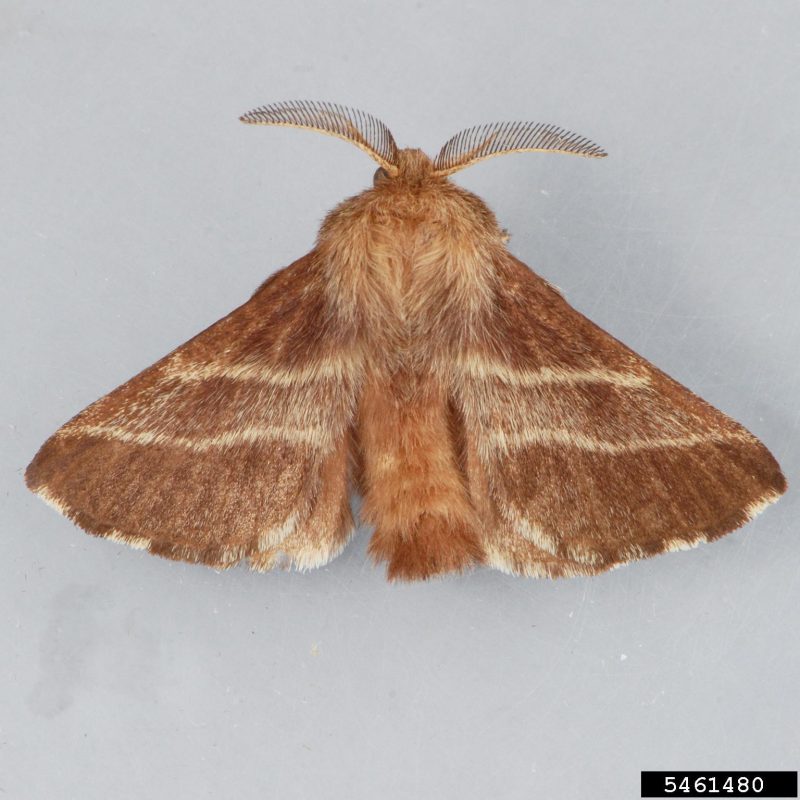
When they turn into moths, their wings are brown with some white marks. The moth is smaller than the caterpillar’s body length.
Habitat And Range
These caterpillars live mostly in the eastern United States and parts of Canada. They prefer cherry, apple, and other fruit trees.
They build tents in the branches of these trees. The tents protect them from predators and weather.
Life Cycle Stages
The Eastern Tent Caterpillar starts as an egg on tree branches. The eggs hatch in early spring into caterpillars.
The caterpillars build tents and feed on leaves. After growing, they form cocoons and turn into moths.
- Egg:Laid on branches in late fall
- Caterpillar:Hatch in spring, build tents, eat leaves
- Pupa:Inside cocoon, change into moth
- Adult Moth:Emerges, mates, lays eggs
Caterpillar Behavior And Feeding
The eastern tent caterpillar is a common insect found on trees in North America. It is known for its unique behaviors and eating habits during its larval stage.
Understanding how these caterpillars behave and what they eat helps us learn about their life cycle and the changes they go through as they grow.
Tent Building Habits
Eastern tent caterpillars build silk tents in the branches of trees. These tents protect them from predators and harsh weather. The tents grow larger as the caterpillars develop.
- The caterpillars hatch in early spring.
- They start building small tents near tree forks.
- The tents expand with more silk layers over time.
- Caterpillars rest inside the tents between feeding times.
- At night, they leave the tents to feed on leaves.
Diet Preferences
These caterpillars prefer the leaves of certain trees. They mainly feed on trees in the cherry family but will eat other species if needed. Eating fresh leaves gives them energy to grow.
| Tree Type | Preference Level |
| Black Cherry | High |
| Apple | Medium |
| Maple | Low |
| Oak | Low |
Impact On Trees
Eating by eastern tent caterpillars can harm trees. Large groups can strip leaves quickly. This weakens the tree but usually does not kill it.
- Leaf loss reduces photosynthesis.
- Tree growth slows down during heavy feeding.
- Repeated attacks may stress the tree.
- Natural predators often control caterpillar numbers.
Metamorphosis Process
The eastern tent caterpillar changes into a moth through a process called metamorphosis. This process has many stages. It starts as a caterpillar and ends as a moth.
The caterpillar goes through a pupation phase inside a cocoon. Inside the cocoon, it changes its body to become a moth. This transformation takes some time.
Pupation Phase
In the pupation phase, the caterpillar stops eating and finds a safe place. It spins a silk cocoon around itself. Inside the cocoon, the caterpillar becomes a pupa.
The pupa does not move much. It is a resting stage where the caterpillar prepares for its change into a moth. This phase is important for the transformation.
Changes Inside The Cocoon
Inside the cocoon, the caterpillar’s body breaks down. It uses old cells to build new parts. Wings, legs, and antennae start to form during this time.
The pupa changes shape and structure. These changes help it become a moth that can fly and reproduce. This process is complex and happens slowly.
Duration Of Transformation
The transformation inside the cocoon usually takes about two weeks. This time can change depending on the weather and temperature. Cooler weather can slow the process.
After this time, the moth breaks out of the cocoon. It dries its wings and then flies away to find a mate. The cycle of life continues.

Credit: www.tn.gov
Adult Form Revealed
The eastern tent caterpillar does not remain a caterpillar forever. It changes into an adult moth after its larval stage. This transformation is called metamorphosis.
Understanding the adult form helps in identifying and studying this insect better. The adult moth looks quite different from the caterpillar.
Moth Identification
The adult eastern tent caterpillar becomes a moth known as the eastern tent moth. It belongs to the family Lasiocampidae. Its body is stout and covered with fine hairs.
- Size: 1.5 to 2 inches wingspan
- Body color: Brown or tan with some darker markings
- Head: Rounded with small antennae
- Legs: Short and hairy
Wings And Coloration
The wings of the eastern tent moth are broad and covered with tiny scales. Their color helps them blend into tree bark and leaves.
| Feature | Description |
| Forewings | Light brown with faint darker lines |
| Hindwings | Lighter brown or cream colored |
| Wing shape | Rounded edges |
| Markings | Subtle spots or lines on wings |
Behavior And Activity
The adult moth is mostly active at night. It does not feed much and focuses on reproduction. Its life span is short compared to the caterpillar stage.
- Flies during warm evenings
- Attracted to light sources
- Lays eggs on tree branches
- Does not eat as an adult
Ecological Role
The Eastern tent caterpillar turns into a moth after its larval stage. This moth plays an important part in nature. It helps balance other living things in its habitat.
Understanding what threats these caterpillars face and their role in the ecosystem shows their value. Their population is controlled naturally, keeping the environment healthy.
Predators And Threats
Birds are the main predators of Eastern tent caterpillars and moths. Other insects and small animals also eat them. Parasites and diseases can reduce their numbers too.
- Birds like cuckoos and orioles eat the caterpillars
- Parasitic wasps lay eggs inside caterpillars
- Fungal infections can kill large groups
- Weather changes affect survival rates
Contribution To The Ecosystem
Eastern tent caterpillars help by being food for many animals. Their feeding on leaves helps control plant growth. The moths pollinate some flowers at night.
The caterpillars also help recycle nutrients when they die. This supports soil health and plant growth. They play a small but important role in the food web.
Population Control Factors
Their numbers are kept in check by natural causes. Predators and diseases lower their populations. Weather conditions and food availability also affect their growth.
- Predators reduce caterpillar and moth numbers
- Parasites and diseases cause deaths
- Cold winters can kill eggs and larvae
- Limited food slows down development

Credit: medium.com
Common Myths And Facts
The eastern tent caterpillar is a familiar sight in many gardens. People often wonder what it turns into. This insect is known for its web-like tents in tree branches.
There are many myths and facts about this caterpillar. Understanding these can help people care for their trees better.
Misconceptions About Damage
Many believe eastern tent caterpillars destroy trees. They think the caterpillars kill branches or the whole tree. This is not true in most cases.
- The caterpillars feed on leaves but usually do not kill trees.
- Trees often recover fully after caterpillars leave.
- Damage is mostly cosmetic and short-term.
Clarifying Their Impact
| Aspect | Fact |
| Tree Health | Usually not harmed long-term |
| Leaf Loss | Temporary, leaves grow back |
| Population Control | Natural predators keep numbers down |
| Pesticide Need | Rarely necessary |
Interesting Trivia
The eastern tent caterpillar turns into a moth. This moth is brown with white spots. It has a wingspan of about 1.5 inches.
Here are some quick facts:
- The moths do not eat; they live only to reproduce.
- Caterpillars build their tents in the spring.
- They are found mostly in eastern North America.
- Birds often feed on these caterpillars.
Frequently Asked Questions
What Does An Eastern Tent Caterpillar Become?
The Eastern Tent Caterpillar transforms into a moth. Specifically, it becomes a brownish-orange moth with a wingspan of about 1. 5 inches. This adult moth is nocturnal and lays eggs for the next caterpillar generation.
How Long Is The Eastern Tent Caterpillar’s Life Cycle?
The Eastern Tent Caterpillar’s life cycle lasts about one year. It starts as an egg in spring, becomes a caterpillar, then pupates into a moth by early summer. The adult moth lives briefly to reproduce and lay eggs.
Are Eastern Tent Caterpillars Harmful To Trees?
Yes, Eastern Tent Caterpillars can harm trees. They feed on leaves, causing defoliation. However, healthy trees usually recover quickly after caterpillar feeding. Severe infestations can weaken young or stressed trees.
When Do Eastern Tent Caterpillars Form Their Tents?
Eastern Tent Caterpillars build tents in early spring. They create silk tents in tree branches to protect themselves. These tents expand as the caterpillars grow and feed on nearby leaves.
Conclusion
Eastern tent caterpillars transform into moths. This process is fascinating and natural. The moths play a role in ecosystems. They serve as food for birds and other animals. Understanding this cycle helps appreciate nature’s wonders. These caterpillars may be small, but their impact is significant.
Watching them change offers a glimpse into life’s mysteries. Each stage of their life is unique and essential. So next time you spot one, remember their journey. From a tiny caterpillar to a beautiful moth. Nature’s transformation at its best.
Simple, yet extraordinary.