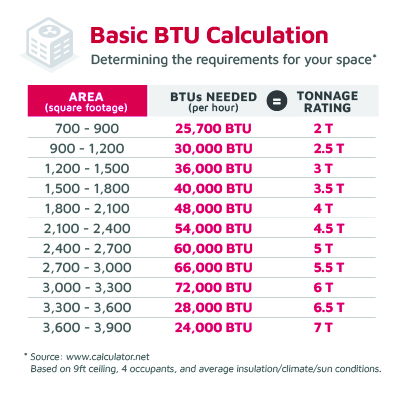
Have you ever seen the term “BTU” when shopping for an air conditioner and wondered what it really means? Understanding BTU is key to picking the right cooling unit for your space.
If you choose the wrong size, your room might never feel comfortable, or your energy bills could skyrocket. You’ll discover exactly what BTU means for air conditioners and how it affects your home’s comfort. Keep reading to make sure you get the perfect cooling power tailored just for you.
Btu And Cooling Power
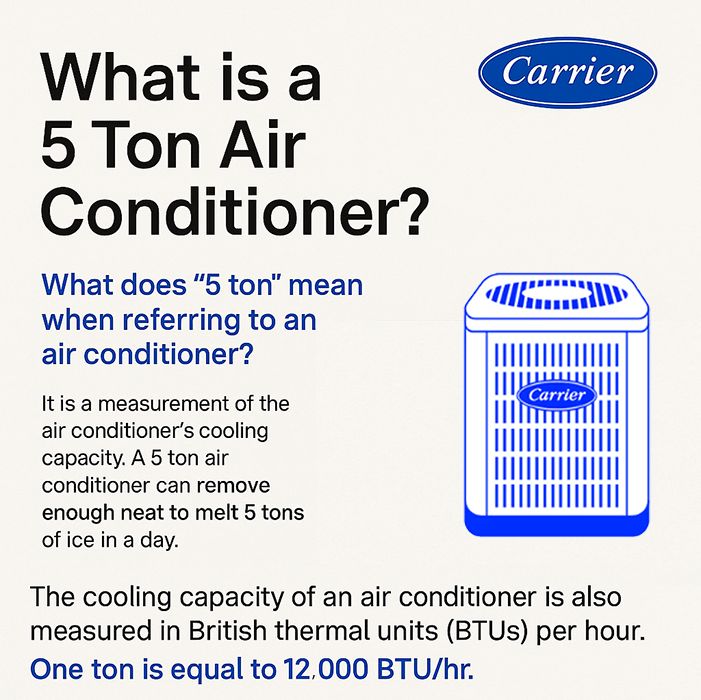
BTUstands for British Thermal Unit. It measures the amount of heatan air conditioner can remove from a room. Higher BTU means more cooling power. This helps to pick the right air conditioner size for your space.
BTUshows how much heat energy the air conditioner moves in one hour. One BTU cools one pound of water by one degree Fahrenheit. This unit is key to understanding air conditioner capacity.
Choosing the correct BTU is important. Too low BTU means the room will stay warm. Too high BTU wastes energy and can make the room too cold quickly.
| Room Size (sq ft) | Recommended BTU |
|---|---|
| 100-150 | 5,000 – 6,000 |
| 150-250 | 6,000 – 8,000 |
| 250-350 | 8,000 – 10,000 |
| 350-450 | 10,000 – 12,000 |
Credit: www.herzindagi.com
Choosing The Right Btu
The BTU(British Thermal Unit) measures how much heat an air conditioner can remove. It shows the unit’s cooling power. Choosing the right BTU depends mainly on the room size. A small room needs fewer BTUs, while a big room needs more.
Here is a simple guide for room size and BTU needs:
| Room Size (sq ft) | BTU Needed |
|---|---|
| Up to 150 | 5,000 BTU |
| 150-250 | 6,000-8,000 BTU |
| 250-350 | 8,000-10,000 BTU |
| 350-450 | 10,000-12,000 BTU |
Other factorsaffect cooling needs:
- Number of windows
- Sunlight exposure
- Room height
- Number of people usually in the room
- Heat from appliances
Choose a BTU that fits your room to stay cool and save energy.
Btu Ratings And Energy Efficiency
BTUstands for British Thermal Unit. It measures how much heat an air conditioner can remove from a room per hour. A higher BTU means the air conditioner can cool a bigger space.
Energy usedepends on the BTU rating. Bigger units use more power but cool faster. Smaller units use less power but may struggle in large rooms. Picking the right size saves energy and money.
| BTU Rating | Room Size (Square Feet) | Energy Use |
|---|---|---|
| 5,000 BTU | Up to 150 sq ft | Low |
| 8,000 BTU | 150 – 350 sq ft | Medium |
| 12,000 BTU | 350 – 550 sq ft | High |
Energy Starcertified ACs use less power for the same BTU. They help save electricity and lower bills. Look for the Energy Star label for better energy efficiency.
Common Btu Sizes For Air Conditioners
BTU stands for British Thermal Unit and measures an air conditioner’s cooling power. Common BTU sizes range from 5,000 to 24,000, fitting different room sizes. Choosing the right BTU helps cool your space efficiently and saves energy.
Small Spaces
Small rooms need air conditioners with about 5,000 to 6,000 BTUs. These units work well in bedrooms or offices under 150 square feet. They cool quickly and use less power.
Medium Rooms
Medium rooms require air conditioners with 7,000 to 10,000 BTUs. These fit spaces between 150 and 350 square feet. They offer good cooling without being too loud or costly.
Large Areas
Large rooms or open spaces need units with 12,000 to 18,000 BTUs. These cool areas over 350 square feet efficiently. They keep big spaces comfortable even on hot days.
Consequences Of Incorrect Btu
Choosing the right BTUfor an air conditioner is very important. Too low BTU means the unit cannot cool the room properly. The air conditioner will run all the time but the room stays warm. This wastes energyand raises electricity bills. It may also cause the unit to wear out faster.
Too high BTU cools the room too fast. It turns off before removing humidity. The room feels cold and damp. This can cause moldand damage furniture. The air conditioner also uses more electricity than needed. Both cases cause discomfortand higher costs.
Credit: www.carrier.com
Btu And Seasonal Performance
BTUmeasures how much heat an air conditioner can remove per hour. Different climates need different BTU sizes for good cooling. A small BTU unit may not cool well in hot places. A large BTU unit can waste energy in cooler areas.
Seasons also affect cooling needs. Summer needs more BTU power than spring or fall. Adjusting BTU helps save energy and keeps rooms comfortable all year.
| Season | BTU Adjustment | Reason |
|---|---|---|
| Summer | Increase | Higher temperatures need more cooling power |
| Spring/Fall | Moderate | Milder weather requires less cooling |
| Winter | Decrease or off | Cooling is rarely needed |
Improving Air Conditioner Efficiency
Regular maintenance keeps an air conditioner running smoothly. Clean or replace filters every 1-3 months. Dirt blocks airflow and lowers cooling power. Check coils for dirt or damage. Clear debris around outdoor units to help air flow freely. Regular service checks can catch small problems early.
Proper installation is key for good efficiency. The unit should match the room size for best cooling. Too big or too small wastes energy. Place the outdoor unit in a shaded spot to reduce heat. Make sure ducts are sealed well to stop air leaks. A well-installed system uses less power and cools better.
Credit: www.lexetx.com
Frequently Asked Questions
What Does Btu Stand For In Air Conditioners?
BTU stands for British Thermal Unit. It’s a measurement of energy. In air conditioners, it indicates the cooling capacity. The higher the BTU, the more cooling power the unit has. It’s crucial for selecting the right size air conditioner for your space.
How Do Btus Affect Cooling Efficiency?
BTUs directly impact an air conditioner’s cooling efficiency. The right BTU ensures optimal cooling and energy use. An air conditioner with too many BTUs can cool too quickly, wasting energy. Too few BTUs can overwork the unit, reducing efficiency and lifespan.
How Many Btus Do I Need For My Room?
The required BTUs depend on your room’s size. Generally, a room of 150-250 square feet needs 5,000-6,000 BTUs. Larger spaces need more. For accurate sizing, consider factors like ceiling height and sunlight exposure. Choosing the right BTU ensures efficient cooling and energy savings.
Is A Higher Btu Always Better?
A higher BTU isn’t always better. It should match the room size for efficient cooling. Oversized units cool too quickly without removing humidity, leading to discomfort. An undersized unit struggles to cool, increasing energy costs. Proper sizing ensures comfort and efficiency.
Conclusion
Understanding BTU helps you choose the right air conditioner. BTU measures how much heat an AC can remove. A higher BTU means stronger cooling power. Pick a unit with BTU that fits your room size. Too low or too high BTU wastes energy and money.
Knowing BTU keeps your space comfortable and saves costs. Now, you can shop smarter for your cooling needs. Simple but important.