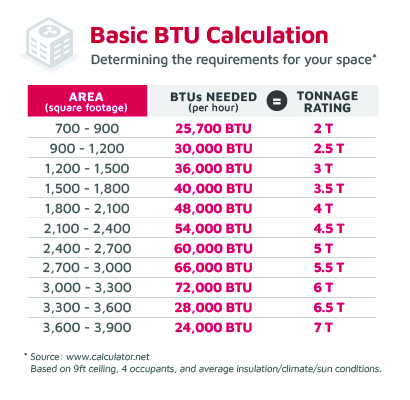
When you’re choosing an air conditioner, you might have come across the term “BTU” and wondered what it means for your cooling needs. Understanding BTU is key to picking the right air conditioner that keeps your space comfortable without wasting energy or money.
You’ll discover exactly what BTU stands for, why it matters for your home or office, and how to use this knowledge to make the best choice. Keep reading—you’re just a few minutes away from making your cooling decisions smarter and easier.
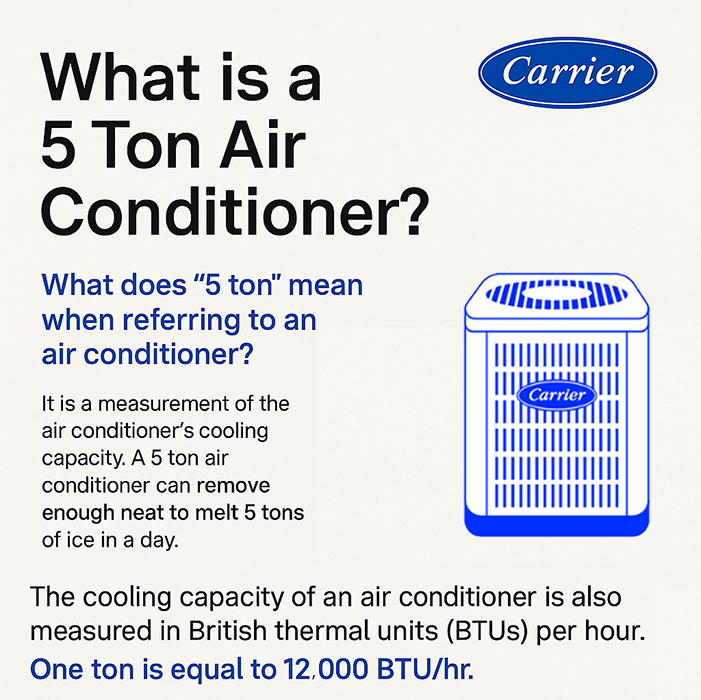
Credit: www.carrier.com
Btu Basics
BTU stands for British Thermal Unit. It measures energy used for heating and cooling.
Understanding BTU helps you choose the right air conditioner size for your room.
What Is Btu
A BTU is the amount of heat needed to raise one pound of water by one degree Fahrenheit.
- It is a standard unit for heat energy.
- Used in heating and cooling systems.
- Shows how much energy an air conditioner can remove from the air.
Btu And Cooling Power
Higher BTU means more cooling power in an air conditioner.
| BTU Rating | Room Size (Square Feet) |
| 5,000 BTU | Up to 150 sq ft |
| 8,000 BTU | 150 – 350 sq ft |
| 12,000 BTU | 350 – 550 sq ft |
| 18,000 BTU | 550 – 1,000 sq ft |
Btu In Air Conditioners
BTU stands for British Thermal Unit. It measures how much heat an air conditioner can remove. The higher the BTU, the stronger the cooling power.
Understanding BTU helps you pick the right air conditioner. Too low BTU means poor cooling. Too high wastes energy and money.
How Btu Affects Ac Size
The BTU rating shows the size of the air conditioner. Bigger rooms need units with higher BTU. Small rooms use lower BTU units.
Choosing the right size keeps the room comfortable. An AC that is too small will run all day and still feel warm. A too large AC cools fast but wastes energy.
Matching Btu To Room Size
Use the room size to find the right BTU. Measure the room in square feet. Then pick an AC with BTU that matches the size.
| Room Size (sq ft) | Recommended BTU |
| 100 – 300 | 5,000 – 6,000 |
| 300 – 500 | 7,000 – 8,000 |
| 500 – 800 | 9,000 – 12,000 |
| 800 – 1,200 | 12,000 – 14,000 |
| 1,200 – 1,500 | 14,000 – 18,000 |
Efficiency And Btu
BTU stands for British Thermal Unit. It measures how much heat an air conditioner can remove from a room.
Understanding BTU helps you pick the right size AC for your space. Efficiency depends on matching BTU to room size.
Btu Vs Energy Consumption
A higher BTU means the air conditioner cools faster. But it can use more energy if the unit is too big.
Using a unit with the right BTU reduces energy waste. It keeps your power bills lower and saves electricity.
- Too small BTU: AC runs longer, uses more energy
- Too large BTU: AC cools too fast, wastes energy
- Right BTU: balances cooling and energy use
Seer Ratings And Btu
SEER stands for Seasonal Energy Efficiency Ratio. It measures how efficiently an AC uses energy over a season.
A higher SEER rating means better energy efficiency. It helps you save money while cooling your home.
- High BTU with high SEER: strong cooling, energy efficient
- Low BTU with low SEER: less cooling, less efficient
- Choose an AC with the right BTU and high SEER for best results
Credit: www.lexetx.com
Choosing The Right Btu
BTU stands for British Thermal Unit. It measures how much heat an air conditioner can remove. Choosing the right BTU helps keep your space cool and saves energy.
If the BTU is too high or too low, your air conditioner will not work well. It can waste electricity or leave the room uncomfortable.
Avoiding Over And Under-sizing
Choosing a unit with the correct BTU size is important. Too large a unit cools the room quickly but makes it damp. Too small a unit runs longer and may not cool enough.
- Over-sized units waste energy and increase humidity.
- Under-sized units run continuously and wear out faster.
- Correct size keeps room comfortable and saves power.
- Measure your room size before buying a unit.
Factors Influencing Btu Needs
Several things affect how many BTUs you need for your air conditioner. These include room size, sunlight, and number of people inside.
| Factor | Effect on BTU |
| Room Size | Larger rooms need more BTUs |
| Sunlight | Bright rooms need extra cooling |
| People | More people add heat, increasing BTU needs |
| Appliances | Electronics generate heat, raising BTU needs |
Improving Ac Efficiency
BTU measures the cooling power of an air conditioner. Higher BTU means more cooling ability.
Improving your AC’s efficiency helps save energy and lowers bills. Proper care keeps your unit working well.
Regular Maintenance Tips
Cleaning and checking your AC regularly keeps it efficient. Dirty parts make the unit work harder.
- Clean or replace air filters every 1–3 months
- Clear debris around the outdoor unit
- Check for leaks in ductwork and seal them
- Schedule professional tune-ups yearly
- Keep vents and registers open and unblocked
Using Smart Thermostats
Smart thermostats adjust temperature based on your schedule. They reduce energy waste and improve comfort.
| Feature | Benefit |
| Programmable Schedules | Lower cooling when no one is home |
| Remote Control | Adjust settings from anywhere |
| Energy Reports | Track and reduce energy use |
| Adaptive Learning | Optimizes temperature over time |
Credit: www.herzindagi.com
Frequently Asked Questions
What Does Btu Mean In Air Conditioning?
BTU stands for British Thermal Unit. It measures the cooling power of an air conditioner. Higher BTU means more cooling capacity.
How Do Btus Affect Air Conditioner Performance?
BTUs determine how quickly an AC cools a room. A unit with the right BTUs cools efficiently and saves energy.
What Btu Size Is Best For My Room?
Choose BTUs based on room size. Small rooms need 5,000-8,000 BTUs; larger rooms require 10,000 or more BTUs.
Can Too Many Btus Harm My Ac Unit?
Yes, an oversized AC cools too fast but causes humidity issues. Proper BTU sizing ensures comfort and efficiency.
Conclusion
Understanding BTU helps you choose the right air conditioner size. It tells how much heat the unit can remove from a room. Picking the correct BTU saves energy and keeps your space comfortable. Too high or too low BTU can cause problems.
A well-sized air conditioner works better and lasts longer. Now you know why BTU matters for cooling your home. Use this knowledge to make smart decisions and enjoy a cool, fresh indoor environment.