When you’re shopping for an air conditioner, you might see the term “BTU” pop up everywhere. But what does BTU actually mean, and why should it matter to you?
Understanding BTU can help you pick the right air conditioner that cools your space efficiently without wasting energy or money. If you want to make sure your home stays comfortable and your bills stay low, it’s important to get this part right.
Keep reading, and you’ll learn exactly what BTU means for your air conditioner—and how it affects your comfort every day.
Credit: www.carrier.com
Btu Basics
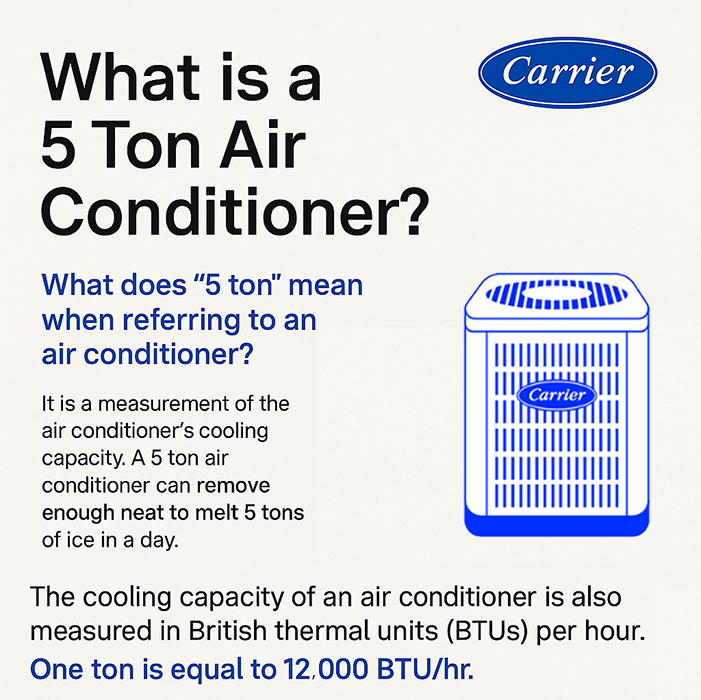
BTUstands for British Thermal Unit. It measures the energy needed to raise one pound of water by one degree Fahrenheit.
BTU is a unit for heat energy. It helps us understand how much heat a device can add or remove.
In air conditioners, BTU shows the cooling power. Higher BTU means the unit can cool a larger space.
| Term | Meaning | Use in Air Conditioners |
|---|---|---|
| BTU | British Thermal Unit | Measures heat energy |
| Heat Measurement | Energy to raise temperature | Shows how much heat is removed |
| Cooling Systems | Devices that lower temperature | BTU rating indicates cooling capacity |
Credit: www.herzindagi.com
Btu’s Role In Air Conditioning
BTUstands for British Thermal Unit. It measures how much heat an air conditioner can remove from a room.
A higher BTU means more cooling power. Small rooms need fewer BTUs. Large rooms need more BTUs to cool well.
Choosing the right BTU size helps keep a room comfortable. Too low BTU won’t cool enough. Too high wastes energy.
Energy efficiency depends on matching BTU to room size. Proper BTU reduces electricity use and saves money.
| Room Size (sq ft) | Recommended BTU |
|---|---|
| 100 – 300 | 5,000 – 6,000 |
| 300 – 500 | 7,000 – 8,000 |
| 500 – 800 | 10,000 – 12,000 |
| 800 – 1,200 | 14,000 – 16,000 |
Choosing The Right Btu
Choosing the right BTUfor an air conditioner is very important. A unit with too low BTUwill not cool the room well. It will run too long and waste energy. A unit with too high BTUcools too fast but leaves the room humidand uncomfortable. Signs of an incorrect BTU sizeinclude uneven cooling, high energy bills, and frequent on/off cycles.
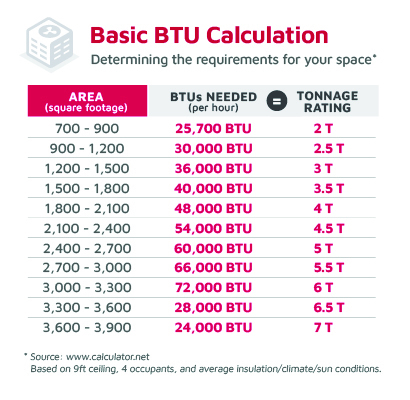
Calculating BTU needs depends on room size, sunlight, and number of people. Use this simple table for a quick estimate:
| Room Size (sq ft) | BTU Needed |
|---|---|
| 100 – 150 | 5,000 – 6,000 |
| 150 – 250 | 6,000 – 8,000 |
| 250 – 350 | 8,000 – 10,000 |
| 350 – 450 | 10,000 – 12,000 |
- Choose BTU based on room size and sun exposure.
- Consider ceiling height and number of windows.
- Pick a unit that runs quietly and efficiently.
- Check product reviews for reliability and energy use.
Credit: www.lexetx.com
Btu And Energy Costs
BTU(British Thermal Unit) measures how much heat an air conditioner removes. The higher the BTU, the more cooling power it has. Bigger units use more electricity, which can raise your energy costs. Choosing the right BTU size is key to saving money.
Btu And Electricity Usage
Electricity use depends on BTU rating. A small unit uses less power but cools less space. A large unit uses more power and might cool too much. Both can waste energy if not sized right.
Ways To Save Energy
- Use a fan to help air flow.
- Keep windows and doors closed.
- Set the thermostat to a comfortable but not too cold temperature.
- Clean or replace air filters often.
- Use curtains to block sunlight during hot times.
Balancing Comfort And Cost
Find a BTU size that fits your room. Too small means less comfort. Too big means higher bills. A good fit keeps you cool and saves money.
Advanced Btu Considerations
BTU measures how much heat an air conditioner can remove from a room. Higher BTUs mean more cooling power. Choosing the right BTU size helps keep your space comfortable and energy-efficient.
Btu In Different Ac Types
BTUmeasures the cooling power of air conditioners. Different types of AC use different BTU levels. Window ACs usually have lower BTUs, suitable for small rooms. Central ACs have higher BTUs to cool whole houses. Portable ACs offer a range of BTUs but are less powerful than central units. Choosing the right BTU depends on room size and AC type.
Btu And Climate Factors
Climate affects how many BTUs an AC needs. Hotter places need ACs with higher BTUs. Humid areas may require more cooling power too. Cooler climates can use ACs with fewer BTUs. It is important to match BTU to the weather for best comfort and energy use.
Future Trends In Btu Technology
- More energy-efficient ACs with optimized BTU ratings.
- Smart ACs that adjust BTU output automatically.
- Better materials to improve cooling without extra BTUs.
- Eco-friendly refrigerants to reduce environmental impact.
Frequently Asked Questions
What Does Btu Stand For In Air Conditioners?
BTU stands for British Thermal Unit. It measures the cooling power of an air conditioner. Higher BTUs mean stronger cooling capacity.
How Do Btus Affect Air Conditioner Efficiency?
BTUs determine how effectively an AC cools a room. Proper BTU size ensures energy efficiency and optimal comfort. Too high or low BTUs reduce efficiency.
What Btu Size Is Right For My Room?
Room size and insulation impact BTU needs. Small rooms need 5,000-8,000 BTUs, while larger spaces require more. Accurate sizing improves cooling and saves energy.
Can Btus Impact Electricity Bills?
Yes, higher BTU units consume more electricity. Choosing the right BTU size avoids unnecessary energy costs and improves savings.
Conclusion
BTU shows how much heat an air conditioner can remove. Choosing the right BTU helps keep your room cool and comfortable. Too low BTU means the AC works hard but stays warm. Too high BTU wastes energy and costs more.
Knowing BTU helps you pick the best AC for your space. A good fit saves money and keeps air fresh. Always check BTU before buying an air conditioner. It makes a big difference in cooling and costs. Simple but important to remember.