When you’re shopping for an air conditioner, you might see the term “BTU” pop up again and again. But what does BTU really mean for your cooling needs?
Understanding this simple measure can make a big difference in how comfortable your home feels—and how much you spend on energy bills. If you want to choose the right air conditioner that fits your space perfectly and keeps your energy costs low, keep reading.
This guide will break down everything you need to know about BTU and how it affects your air conditioner’s performance.
Btu Basics
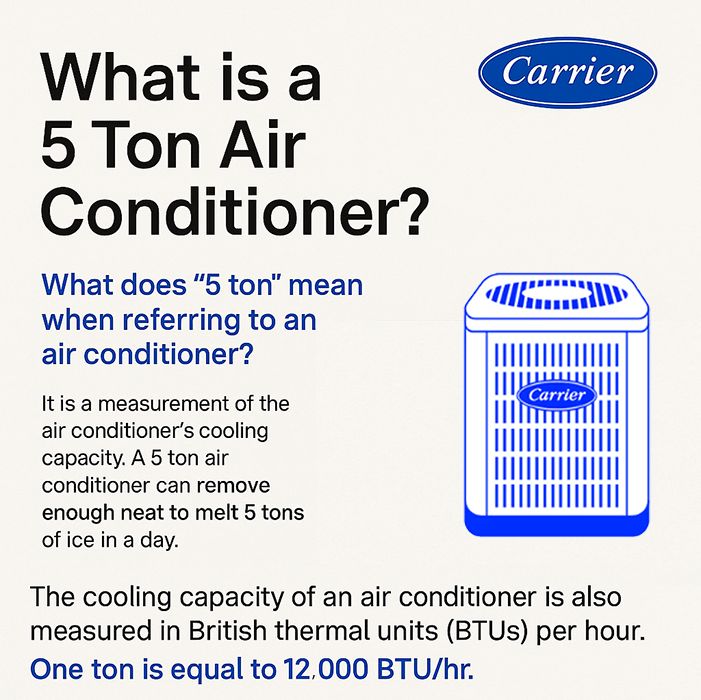
BTUstands for British Thermal Unit. It measures the amount of heat energy needed to raise the temperature of one pound of water by one degree Fahrenheit. This unit helps us understand how much cooling power an air conditioner has.
A higher BTU number means the air conditioner can cool a larger space. For example, a unit with 5,000 BTUs cools a small room, while one with 12,000 BTUs cools a bigger room. Choosing the right BTU size is important to keep a room comfortable without wasting energy.
Credit: www.herzindagi.com
Btu And Air Conditioner Size
BTUstands for British Thermal Unit. It shows how much heat an air conditioner can remove from a room per hour. The right BTU sizehelps the AC cool your room well without wasting energy.
Choosing the correct BTUdepends on the room size. Small rooms need air conditioners with fewer BTUs. Large rooms need more BTUs for effective cooling.
| Room Size (sq ft) | Recommended BTU |
|---|---|
| Up to 150 | 5,000 – 6,000 BTU |
| 150 – 300 | 6,000 – 8,000 BTU |
| 300 – 450 | 8,000 – 12,000 BTU |
| 450 – 600 | 12,000 – 14,000 BTU |
Wrong BTU sizecauses problems:
- Too small BTU means the room stays warm.
- Too large BTU wastes electricity and feels cold.
- The AC turns on and off too often, wearing it out.
Factors Affecting Btu Needs
Room insulationaffects how well your space holds cool air. Poor insulation means more cooling power is needed. Good insulation helps keep the room temperature stable.
Sunlight exposureincreases the heat inside a room. Rooms with large windows or direct sunlight need higher BTU air conditioners. Shaded rooms require less cooling power.
Number of occupantsadds to the heat in a room. More people mean more body heat. This heat raises the BTU needs for the air conditioner.
Calculating Btu For Your Space
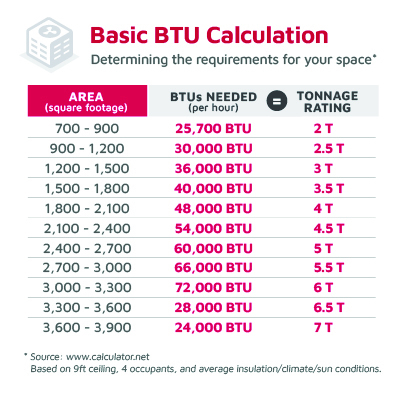
BTU means how much heat an air conditioner can remove. To find the right BTU for a room, measure its size in square feet. Multiply the room’s length by its width. This gives the room’s area.
Use this simple guide for BTU needs:
- Up to 150 sq ft: 5,000 BTU
- 150-250 sq ft: 6,000-8,000 BTU
- 250-350 sq ft: 8,000-10,000 BTU
- 350-450 sq ft: 10,000-12,000 BTU
- 450-550 sq ft: 12,000-14,000 BTU
BTU calculators online can help too. Enter your room size and get the estimated BTU. This saves time and helps pick the best air conditioner.
Energy Efficiency And Btu
EER(Energy Efficiency Ratio) and SEER(Seasonal Energy Efficiency Ratio) show how well an air conditioner uses energy. EER measures efficiency at a specific temperature. SEER shows efficiency over a cooling season. Higher ratings mean the unit saves more energy.
Choosing the right BTUis key for balance. Too high BTU wastes energy and costs more. Too low BTU means poor cooling and discomfort.
- Match BTU to room size for best results.
- Look for higher EER or SEER ratings to save energy.
- Consider climate and usage patterns.
Credit: www.lexetx.com
Choosing The Right Air Conditioner
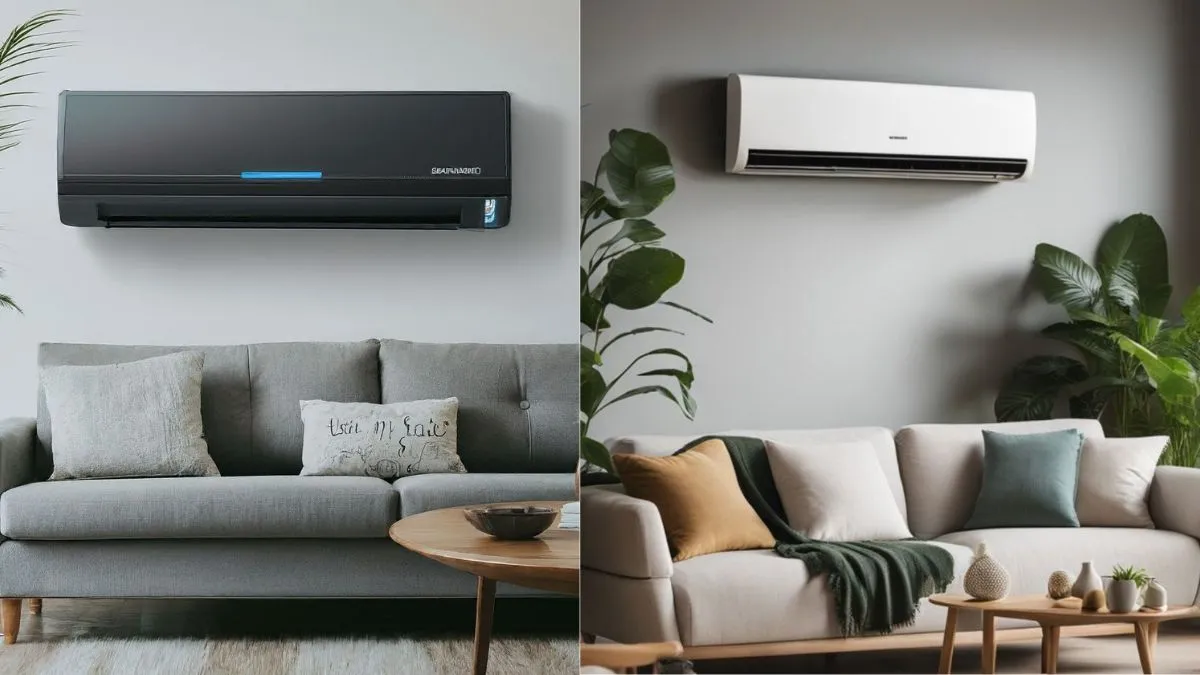
Air conditioners come in many types. Each type uses different BTU levelsto cool rooms efficiently. BTU stands for British Thermal Unit, which measures cooling power.
Here is a simple guide for BTU needs by air conditioner type and room size:
| Type of Air Conditioner | Room Size (sq ft) | BTU Recommendation |
|---|---|---|
| Window AC | 100-300 | 5,000 – 6,000 BTU |
| Portable AC | 250-400 | 8,000 – 10,000 BTU |
| Split AC | 300-500 | 9,000 – 12,000 BTU |
| Central AC | 1000+ | 24,000+ BTU |
Choosing the right BTU helps keep rooms cool and comfortable. Too low BTU won’t cool well. Too high wastes energy.
Maintenance Tips For Optimal Cooling
Regular filter cleaning keeps your air conditioner running well. Dirty filters block airflow, making the unit work harder. This raises energy use and lowers cooling power. Clean filters every 1 to 3 months for best results. It also helps keep the air fresh and free of dust.
Checking refrigerant levels ensures your air conditioner cools properly. Low refrigerant can cause poor cooling and higher bills. A professional should check and refill refrigerant if needed. Avoid leaks by scheduling regular inspections. Proper refrigerant levels keep the system efficient and extend its life.
Credit: www.carrier.com
Frequently Asked Questions
What Is Btu In Air Conditioners?
BTU, or British Thermal Unit, measures an air conditioner’s cooling capacity. It indicates how much heat an AC can remove from a room per hour. Higher BTU ratings mean more cooling power. Choosing the right BTU ensures efficient cooling and energy consumption, enhancing comfort and cost-effectiveness.
How Does Btu Affect Cooling Efficiency?
BTU directly influences an air conditioner’s cooling efficiency. A unit with too low BTU struggles to cool, wasting energy. Conversely, too high BTU causes frequent cycling, increasing wear. Selecting the right BTU ensures optimal efficiency, comfort, and energy savings, enhancing the air conditioner’s performance.
Is Higher Btu Better For Air Conditioning?
Higher BTU isn’t always better. A unit with too high BTU cools quickly but inefficiently, leading to frequent cycling and energy waste. It’s vital to match BTU to room size for balanced cooling. Proper BTU selection ensures comfort, efficiency, and energy savings, enhancing the air conditioner’s longevity.
How Do I Choose The Right Btu Size?
To choose the right BTU size, consider your room size and usage. Measure the room’s square footage and consult BTU sizing charts. Factor in insulation, sun exposure, and ceiling height. Proper BTU selection ensures efficient cooling, energy savings, and optimal comfort, enhancing the air conditioner’s performance.
Conclusion
Understanding BTU helps you pick the right air conditioner size. The correct BTU rating means better cooling and energy savings. Too low BTU makes the room warm and uncomfortable. Too high BTU wastes energy and raises bills. Always check the room size before choosing an AC unit.
This knowledge keeps your space cool and your costs low. BTU is simple but important for smart cooling choices. Keep it in mind for your next air conditioner purchase.