If you’re shopping for a new air conditioner or trying to understand your current one, you’ve probably come across the term “BTU.” But what does BTU stand for, and why does it matter for your home’s comfort?
Knowing this simple term can help you pick the right air conditioner that cools your space efficiently without wasting energy or money. Keep reading, and you’ll discover how understanding BTU can make a big difference in staying cool and comfortable all year round.
Credit: www.carrier.com
Btu And Cooling Power
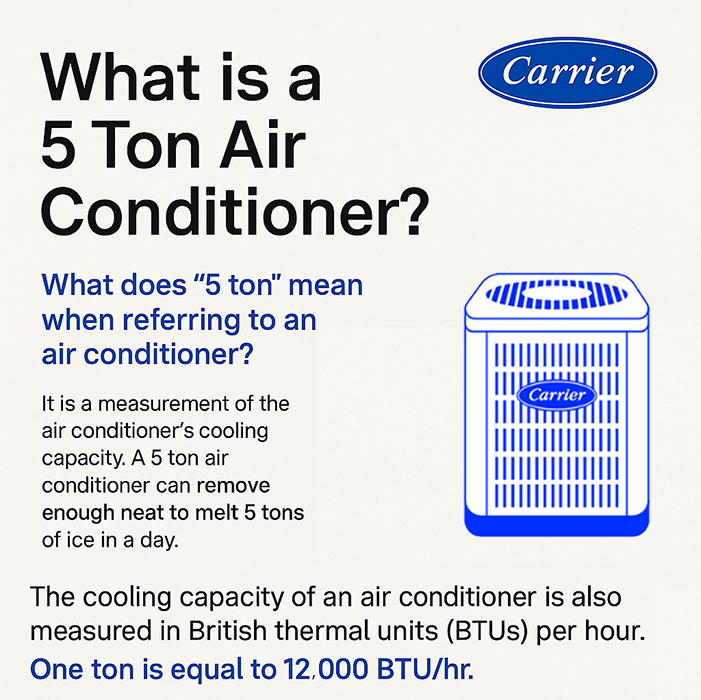
BTUstands for British Thermal Unit. It measures the amount of heat energy needed to raise the temperature of one pound of water by one degree Fahrenheit. In air conditioners, BTU shows the cooling powerof the unit.
Higher BTU means the air conditioner can cool a larger space. For example, a 5,000 BTU unit suits a small room, while a 12,000 BTU unit works for a bigger room. It helps to pick the right size AC for your space.
BTU also links to energy efficiency. A unit with the right BTU rating uses energy better. It cools well without wasting power. Too high or too low BTU can cause poor cooling and more electricity use.
Choosing The Right Btu For Your Space
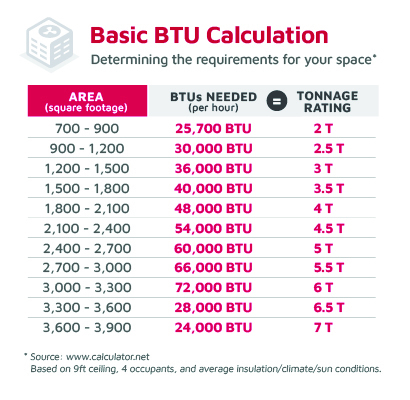
Room size affects the BTU needed. A small room uses fewer BTUs. A large room needs more BTUs. Measure your room in square feet. This helps find the correct BTU number. Don’t pick too high or too low. Both can waste energy.
Sunlight in a room can increase BTU needs. Windows add heat, requiring more BTUs. Ceiling height also matters. Higher ceilings need more BTUs. Insulation quality affects BTU needs too. Good insulation might need fewer BTUs. Room use is important. Kitchens need more BTUs due to appliances.
| Room Size (sq ft) | BTU Rating |
|---|---|
| 100-150 | 5,000 |
| 150-250 | 6,000 |
| 250-300 | 7,000 |
| 300-350 | 8,000 |
| 350-400 | 9,000 |
Impact Of Btu On Air Conditioner Performance
BTUmeasures an air conditioner’s cooling power. Choosing the right BTU size is key for good performance.
Overpowered unitscool rooms too fast. This causes the air conditioner to turn on and off often. It leads to higher energy useand uneven cooling.
Underpowered unitsstruggle to cool rooms. They run longer, causing more wearand higher electricity bills.
| Effect | Overpowered Unit | Underpowered Unit |
|---|---|---|
| Cooling Speed | Cools too fast, short cycles | Cools slowly, runs constantly |
| Energy Use | Consumes more due to frequent starts | Consumes more due to long run times |
| Comfort | Uneven cooling, moisture issues | Insufficient cooling, discomfort |
Credit: www.herzindagi.com
Btu And Air Conditioner Types
BTUstands for British Thermal Unit. It measures how much heat an air conditioner can remove in one hour.
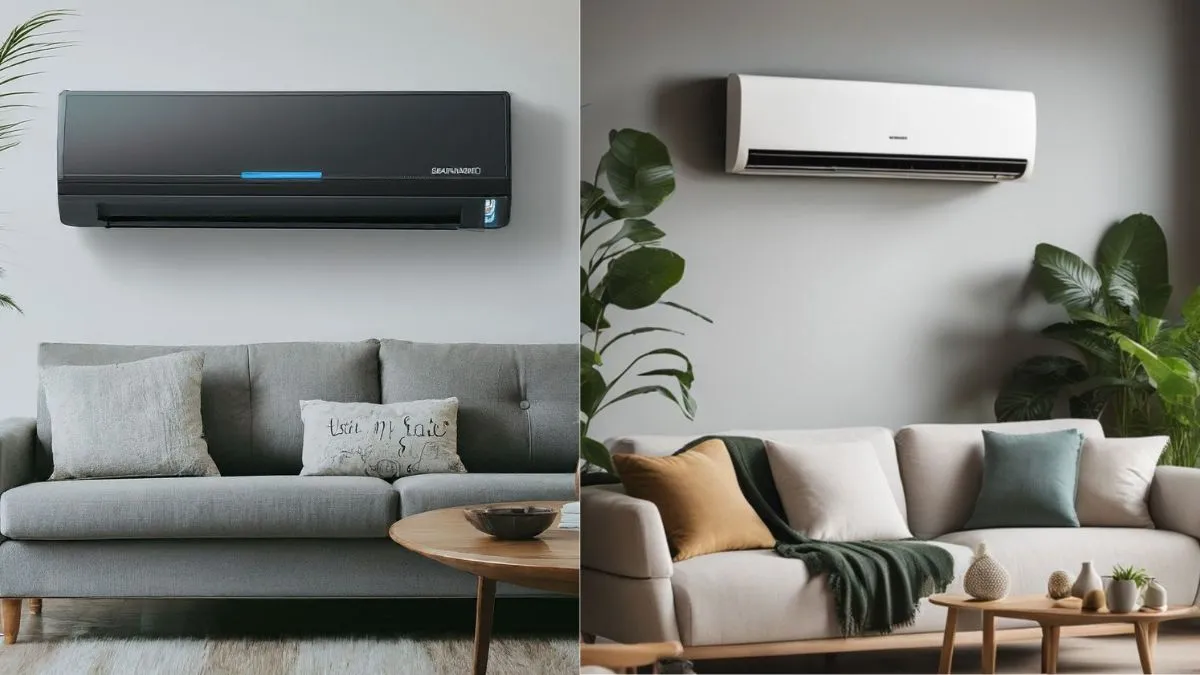
Different air conditioner typeshave various BTU ratings. This rating helps you pick the right size for your room.
- Window unitsusually have BTU ratings from 5,000 to 12,000. They fit in windows and cool small to medium rooms.
- Portable air conditionersoften have similar BTU ranges. They are easy to move and good for temporary cooling.
- Central air systemshave much higher BTU ratings. They cool whole homes or large spaces efficiently.
| Air Conditioner Type | Typical BTU Range | Best For |
|---|---|---|
| Window Units | 5,000 – 12,000 BTU | Small to medium rooms |
| Portable Air Conditioners | 5,000 – 14,000 BTU | Flexible, small to medium spaces |
| Central Air Systems | 30,000 BTU and above | Whole houses or large areas |
Improving Cooling Efficiency
Choosing the right BTUfor your air conditioner helps keep your room cool without wasting energy. A unit with too few BTUs will struggle to cool the space. Too many BTUs can cause the air to feel damp and cold.
- Measure the room size in square feet.
- Use a BTU calculator or chart to find the right size.
- Consider room sun exposure and insulation quality.
- Account for the number of people usually in the room.
Regular maintenancekeeps your AC running well. Clean or replace filters monthly to improve airflow. Check for dirt on coils and clear debris around the unit.
Smart thermostats help control temperature with precision. They save energy by adjusting settings when no one is home. You can set schedules for cooling at the best times.
Credit: www.lennox.com
Frequently Asked Questions
What Does Btu Stand For In Air Conditioners?
BTU stands for British Thermal Unit. It measures the cooling power of an air conditioner. Higher BTU means more cooling capacity.
Why Is Btu Important For Choosing An Air Conditioner?
BTU helps match AC capacity to room size. Correct BTU ensures efficient cooling and saves energy. Too high or low BTU wastes power.
How Do I Calculate The Btu Needed For My Room?
Multiply room length by width to get square footage. Use an online BTU calculator or guideline based on room size. Adjust for sun exposure and insulation.
Can A Higher Btu Air Conditioner Cool Faster?
Yes, a higher BTU AC can cool a space quicker. But oversizing can cause short cycling, reducing efficiency and comfort.
Conclusion
Understanding BTU helps you pick the right air conditioner size. It shows how much heat the unit can remove. Choosing the correct BTU saves energy and cools your space well. Too low or high BTU causes discomfort and wastes power.
Now, you can make better choices for your cooling needs. A simple number, but very important. Keep this in mind when shopping for air conditioners. Your home will stay comfortable all year.