Have you ever wondered what those numbers and letters mean on your air conditioner, especially the term “BTU”? Understanding what BTU stands for can make a big difference when choosing the right air conditioner for your space.
It’s not just a technical term—it directly affects how cool and comfortable your home will feel. If you want to make sure you pick the perfect unit that saves energy and keeps your room just right, you need to know what BTU means and why it matters to you.
Keep reading, and you’ll discover how this simple measurement can help you stay cool without wasting money.
Btu Basics
BTU is an important term in air conditioning. It helps measure how much cooling power an air conditioner has.
Understanding BTU can help you pick the right air conditioner for your space.
Definition Of Btu
BTU stands for British Thermal Unit. It is a unit of energy used to measure heat.
One BTU is the amount of heat needed to raise the temperature of one pound of water by one degree Fahrenheit.
Btu And Heat Measurement
BTU measures heat energy, which helps show how much heat an air conditioner can remove.
The higher the BTU number, the more cooling power the air conditioner has.
- Small rooms usually need 5,000 to 8,000 BTUs
- Medium rooms need 8,000 to 12,000 BTUs
- Large rooms or open spaces need 12,000 BTUs or more
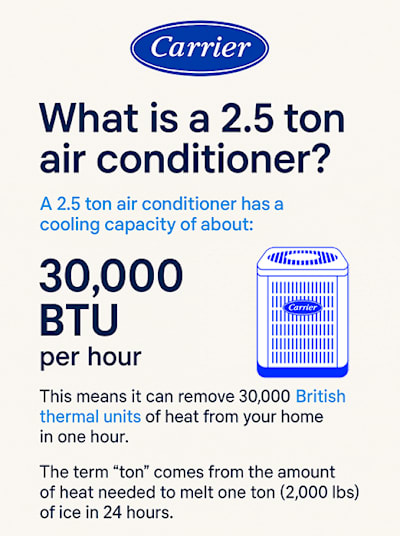
Credit: www.carrier.com
Btu In Air Conditioners
BTU stands for British Thermal Unit. It measures how much heat an air conditioner can remove from a room.
The higher the BTU, the more cooling power the air conditioner has. This helps you choose the right size for your space.
Role Of Btu Rating
The BTU rating shows the cooling capacity of an air conditioner. It tells you how much heat the unit can remove in one hour.
This rating helps match the air conditioner to the room size. If the BTU is too low, the room will stay warm. If it is too high, the unit wastes energy.
How Btu Affects Cooling Power
The BTU rating directly affects how fast and well the air conditioner cools the room. A higher BTU means stronger cooling power.
Choosing the right BTU helps keep the room comfortable without using too much electricity.
- Small rooms need air conditioners with lower BTU
- Large rooms need units with higher BTU
- Correct BTU saves energy and costs
Choosing The Right Btu
BTU stands for British Thermal Unit. It measures how much heat an air conditioner can remove from a room.
Picking the correct BTU for your air conditioner helps keep your space cool and saves energy.
Room Size And Btu Needs
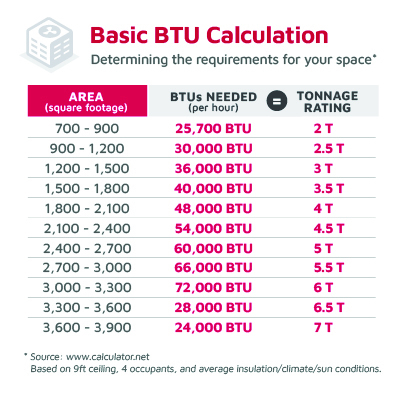
The size of your room plays a big role in how many BTUs you need. Bigger rooms need more BTUs to cool properly.
| Room Size (sq ft) | Recommended BTU |
|---|---|
| Up to 150 | 5,000 BTU |
| 150 – 250 | 6,000 – 8,000 BTU |
| 250 – 350 | 8,000 – 10,000 BTU |
| 350 – 450 | 10,000 – 12,000 BTU |
| 450 – 550 | 12,000 – 14,000 BTU |
Factors Influencing Btu Selection
Other factors can change how many BTUs you need beyond room size.
- Number of windows and sunlight in the room
- Ceiling height and insulation quality
- Number of people usually in the room
- Heat from appliances or electronics
- Climate and outside temperature
Btu And Energy Efficiency
BTU stands for British Thermal Unit. It measures the cooling power of air conditioners. Understanding BTU helps you pick the right AC for your space.
Energy efficiency is key to saving money and reducing power use. A higher BTU does not always mean better efficiency.
Energy Consumption Explained
Air conditioners use energy to cool rooms. The amount depends on the BTU rating and the unit’s efficiency. A unit with a high BTU rating uses more energy but cools larger areas faster.
- BTU shows how much heat the AC can remove per hour.
- Higher BTU units consume more electricity.
- Energy efficiency ratings tell how well the AC uses power.
- Efficient units save energy and lower bills.
Balancing Btu And Efficiency
| BTU Rating | Room Size (sq ft) | Energy Efficiency Impact |
| 5,000 BTU | Up to 150 | Low energy use, good for small rooms |
| 8,000 BTU | 150 – 350 | Moderate energy use, suitable for medium rooms |
| 12,000 BTU | 350 – 550 | Higher energy use, best for large rooms |
| 18,000 BTU | 550 – 1,000 | High energy use, cools very large areas |
Choose an AC with the right BTU for your room size. Match it with a high energy efficiency rating. This balance keeps your space cool and lowers power bills.
Common Btu Sizes
BTU stands for British Thermal Unit. It measures how much heat an air conditioner can remove. Knowing BTU sizes helps you pick the right unit for your room.
Air conditioners come in many BTU sizes. Each size fits different room areas. Using the right size keeps the room cool and saves energy.
Small Room Units
Small room air conditioners usually have between 5,000 and 8,000 BTUs. They work well for rooms under 300 square feet. These units are great for bedrooms or small offices.
Using a unit too big or too small can waste energy. A small BTU unit cools the space efficiently without running too long.
- 5,000 BTU: Up to 150 sq ft
- 6,000 BTU: 150 to 250 sq ft
- 8,000 BTU: 250 to 300 sq ft
Medium And Large Room Units
Medium room air conditioners range from 9,000 to 12,000 BTUs. They fit rooms between 300 and 550 square feet. Large units go from 14,000 up to 24,000 BTUs for bigger spaces.
Choose medium or large BTU units for living rooms, large offices, or open areas. These units cool bigger rooms faster and keep temperature steady.
- 9,000 BTU: 300 to 400 sq ft
- 12,000 BTU: 400 to 550 sq ft
- 14,000 BTU: 550 to 700 sq ft
- 18,000 BTU: 700 to 1,000 sq ft
- 24,000 BTU: 1,000 to 1,500 sq ft
Btu Misconceptions
BTU stands for British Thermal Unit. It measures how much heat an air conditioner can remove from a room. Many people misunderstand what BTU means for their cooling needs.
Choosing the right BTU size is important. Too much or too little BTU can cause problems with comfort and energy use.
Overcooling Risks
Using an air conditioner with too high BTU can cool the room too fast. This might sound good, but it causes issues.
- Short cooling cycles reduce humidity control.
- Rooms feel cold but damp, causing discomfort.
- Energy is wasted by turning the unit on and off too often.
- The air conditioner wears out faster due to frequent cycles.
Underestimating Btu Requirements
Choosing a unit with too low BTU means it works too hard to cool the space. It may never reach a comfortable temperature.
| Problem | Effect |
| Low BTU | Long run times and high energy bills |
| Insufficient cooling | Room stays warm and uncomfortable |
| System stress | Possible breakdown and repair costs |
Improving Cooling Performance
BTU stands for British Thermal Unit. It measures how much heat an air conditioner can remove. A higher BTU means the unit can cool a bigger space.
To improve cooling, you must place your air conditioner correctly and keep it well maintained. These actions help the unit work at its best.
Proper Unit Placement
Put your air conditioner where it can cool the room evenly. Avoid places with direct sunlight or heat sources. This helps the unit stay efficient.
Good airflow around the unit is important. Make sure nothing blocks the vents or the outside compressor. Clear space helps the air conditioner work better.
- Place away from windows with strong sunlight
- Keep at least two feet of clearance around the unit
- Do not block vents with furniture or curtains
- Choose a shaded spot if possible
Maintaining Your Air Conditioner
Clean the air filters regularly. Dirty filters block airflow and reduce cooling power. Check filters every month during use.
Check the outdoor unit for leaves, dirt, or debris. Remove anything that covers it. This keeps the unit running smoothly and cools better.
- Wash or replace air filters monthly
- Clear leaves and dirt from outside unit
- Inspect coils and clean if dirty
- Schedule professional service yearly
Credit: www.lennox.com
Credit: www.herzindagi.com
Frequently Asked Questions
What Does Btu Stand For In Air Conditioners?
BTU stands for British Thermal Unit. It measures the cooling or heating capacity of an air conditioner. The higher the BTU, the more powerful the unit is in regulating room temperature. Choosing the right BTU rating ensures efficient energy use and optimal comfort.
How Does Btu Affect Air Conditioner Performance?
BTU directly influences an air conditioner’s efficiency and effectiveness. A unit with too low BTU won’t cool efficiently. Conversely, one with too high BTU will cycle on and off, wasting energy. Selecting the correct BTU ensures proper cooling and energy efficiency.
Why Is Btu Important For Air Conditioners?
BTU is crucial because it determines an air conditioner’s cooling capacity. Selecting the right BTU ensures energy efficiency and comfort. An incorrect BTU rating can lead to inadequate cooling or excessive energy consumption, impacting utility bills and comfort levels.
How Do I Choose The Right Btu For My Space?
Choose the right BTU by considering the room size and heat sources. Measure the room’s square footage and check insulation levels. Account for windows, sunlight, and electronic devices. Using a BTU calculator can help find the perfect match for your space.
Conclusion
Understanding BTU helps you choose the right air conditioner size. It shows how much heat the unit can remove. A proper BTU rating keeps your room cool and saves energy. Too low or too high BTU can cause discomfort and waste power.
Always check the BTU number before buying an air conditioner. This simple step makes a big difference in comfort and cost. Now, you know what BTU means and why it matters. Stay cool and enjoy your space with the right AC choice.