
Have you ever looked at an air conditioner and wondered what “BTU” means? If you’re trying to choose the right unit for your home or office, understanding BTU is key.
It’s not just a random number—it directly affects how well your air conditioner cools your space. Knowing what BTU stands for can save you from picking a unit that’s too weak or too powerful, which could waste energy and money.
Keep reading to discover exactly what BTU means and how it helps you stay comfortable all year round.
Credit: www.carrier.com
Btu Basics
BTUstands for British Thermal Unit. It measures the amount of heat an air conditioner can remove from a room. The higher the BTU, the more cooling power the unit has. This helps you pick the right air conditioner for your space.
BTU is key to understanding how well an air conditioner cools. Each unit has a BTU rating showing its cooling capacity. For example, a 5,000 BTU air conditioner cools a small room, while a 12,000 BTU unit cools a larger space.
| BTU Rating | Room Size (Square Feet) | Cooling Power |
|---|---|---|
| 5,000 | 100 – 150 | Small room |
| 8,000 | 300 – 350 | Medium room |
| 12,000 | 450 – 550 | Large room |
| 18,000 | 700 – 1,000 | Very large room |
How Btu Affects Air Conditioners
BTUstands for British Thermal Unit. It shows how much heat an air conditioner can remove. Choosing the right BTU sizeis very important. Too small a unit will not cool well. Too large wastes energy and money.
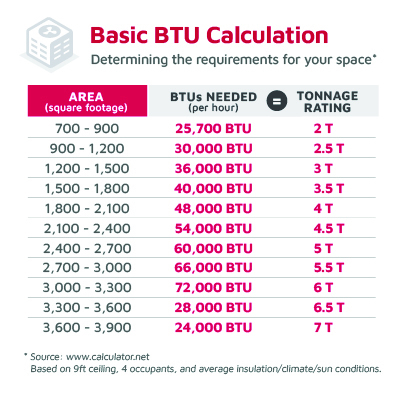
To find the right size, measure the room’s square feet. About 20 BTUs per square footis a good rule. For example, a 500 sq ft room needs a 10,000 BTU air conditioner. Other factors like sun exposure and insulation also matter.
Energy efficiency relates to BTU. A higher BTU unit uses more power. Look for units with a good Energy Efficiency Ratio (EER). This number shows how much cooling you get per energy unit used.
| Common BTU Ratings | Room Size (sq ft) |
|---|---|
| 5,000 BTU | 100 – 150 |
| 8,000 BTU | 250 – 350 |
| 10,000 BTU | 400 – 450 |
| 12,000 BTU | 450 – 550 |
| 14,000 BTU | 550 – 700 |
Choosing The Right Btu For Your Space
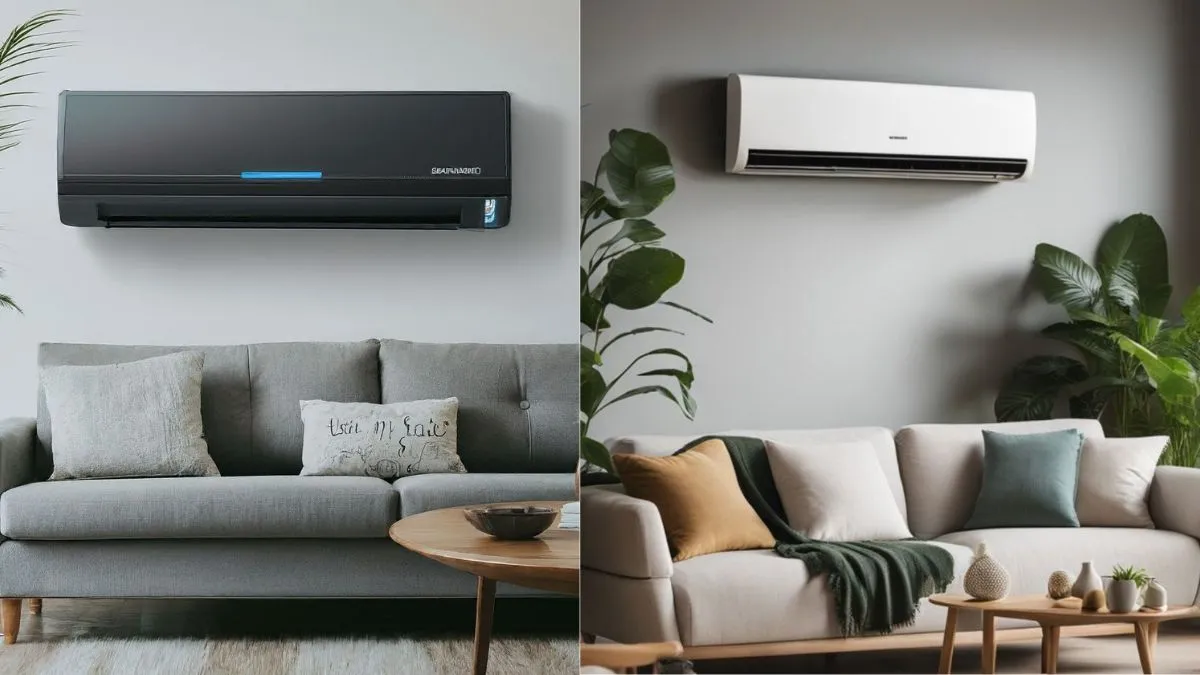
Choosing the right BTUdepends mainly on room size. Small rooms need less BTU, large rooms need more. A room about 150 square feet needs 5,000 BTUs. Bigger rooms require more cooling power.
Climateaffects BTU needs too. Hotter places need air conditioners with higher BTUs. Cooler places can use units with lower BTUs. This helps keep the room comfortable.
Other factors also matter:
- Number of windows – more windows mean more heat.
- Sunlight – bright rooms get hotter.
- Number of people – more people add heat.
- Appliances – devices that produce heat increase BTU needs.
Credit: www.herzindagi.com
Btu And Energy Costs
BTU(British Thermal Unit) measures the cooling power of an air conditioner. The higher the BTU, the more energy the unit uses. This directly affects your electricity bills. A large BTU unit in a small room wastes energy and raises costs.
Choosing the right BTU size is key to saving money. An underpowered unit works harder, using more electricity. A well-sized AC cools quickly and efficiently.
- Keep doors and windows closedto stop cool air from escaping.
- Use fans to help spread cool air and reduce AC load.
- Set the thermostat to a comfortable but not too low temperature.
- Clean or replace AC filters regularly for better airflow.
- Use curtains or blinds to block direct sunlight during hot hours.
Btu Vs Other Cooling Measurements
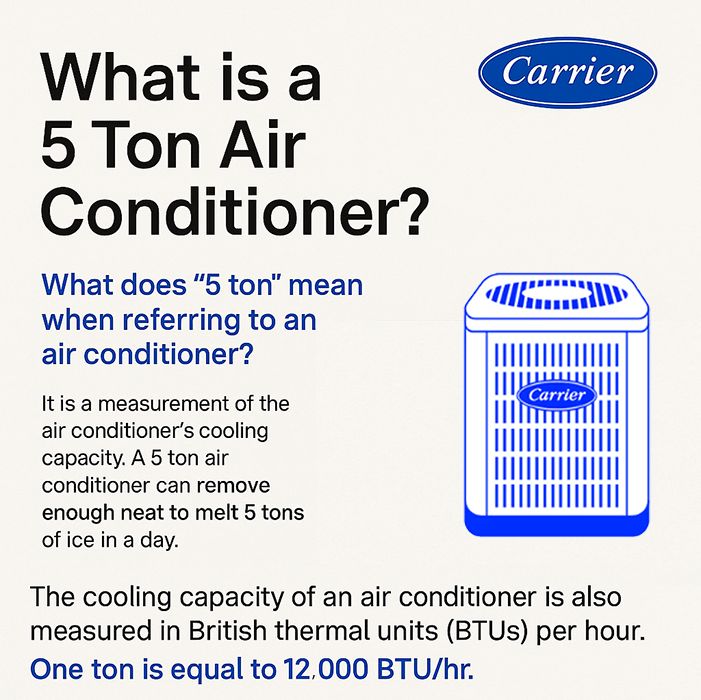
BTUstands for British Thermal Unit. It measures the cooling power of an air conditioner. One tonequals 12,000 BTUs. This means a 2-ton AC can cool 24,000 BTUs. Tons are often used to describe bigger systems. Small units usually use BTU numbers.
| Measurement | Unit | Cooling Power | Common Use |
|---|---|---|---|
| BTU | British Thermal Unit | Amount of heat removed | Small to medium AC units |
| Ton | 12,000 BTUs | Large cooling systems | Big homes and buildings |
SEERmeans Seasonal Energy Efficiency Ratio. It shows how well an AC uses electricity. Higher SEER means better energy savings. For example, SEER 16 uses less power than SEER 13. It helps save money on bills and reduces energy waste.
Credit: www.lennox.com
Common Myths About Btu
More BTUdoes not always mean better cooling. A unit with too many BTUs can cool the room too fast. This causes the air conditioner to stop before it removes humidity. The room may feel cold but damp. A unit with too few BTUs works too hard. It may never cool the room properly, using more energy.
Ignoring room insulationis a common mistake. Good insulation keeps cool air inside and hot air outside. Poor insulation makes the AC work harder. This wastes energy and raises bills. Always check the walls, windows, and doorsbefore choosing a BTU level.
Frequently Asked Questions
What Does Btu Mean In Air Conditioning?
BTU stands for British Thermal Unit. It’s a measure of energy used to quantify heat output. In air conditioners, BTU indicates the cooling capacity. The higher the BTU rating, the more powerful the air conditioner. This helps in choosing the right unit for your room size.
How Is Btu Calculated For Ac Units?
BTU is calculated based on room size and other factors. Consider room dimensions, ceiling height, and insulation. Also, account for heat from windows and appliances. These factors help determine the needed BTU. Choosing the right BTU ensures efficient cooling and energy use.
Why Is Btu Important For Air Conditioners?
BTU is crucial for determining an AC’s cooling capacity. A unit with the right BTU cools efficiently and saves energy. Too low BTU won’t cool effectively, while too high BTU wastes energy. Proper BTU ensures comfort and cost-effectiveness.
How Do I Choose The Right Btu For My Room?
To choose the right BTU, measure your room’s square footage. Use BTU calculators available online for accuracy. Consider room factors like sunlight, insulation, and usage. This helps in selecting an AC with the appropriate BTU for effective cooling.
Conclusion
Understanding BTU helps you pick the right air conditioner size. BTU measures how much heat your AC can remove. A higher BTU means more cooling power. Choosing the correct BTU saves energy and keeps rooms comfortable. Too low BTU won’t cool well; too high wastes energy.
Always check BTU before buying an air conditioner. This simple step makes a big difference in comfort and bills. Now, you know what BTU stands for and why it matters.