
Have you ever looked at an air conditioner and wondered what those letters “BTU” really mean? If you’re trying to choose the right AC for your home, understanding BTU can make all the difference.
It’s a simple term, but it holds the key to how well your air conditioner will cool your space. Keep reading, and you’ll learn exactly what BTU stands for and why it matters for your comfort and energy bills. This knowledge will help you make smarter choices and stay cool without wasting money.
Btu Meaning
BTU stands for British Thermal Unit. It measures heat energy. This term is common for air conditioners.
Understanding BTU helps you pick the right air conditioner size for your space.
Origin Of Btu
The British Thermal Unit was created in the 19th century. It helped standardize heat measurement. The term originated in Britain.
- BTU measures the heat needed to raise one pound of water by one degree Fahrenheit.
- It became widely used in heating and cooling industries.
- The unit helps compare energy content in fuels and appliances.
Btu In Energy Measurement
BTU shows how much energy an air conditioner uses or moves. Higher BTU means more cooling power.
| BTU Value | Typical Room Size |
| 5,000 BTU | 100 to 150 sq ft |
| 8,000 BTU | 150 to 350 sq ft |
| 12,000 BTU | 350 to 550 sq ft |
| 18,000 BTU | 550 to 1,000 sq ft |
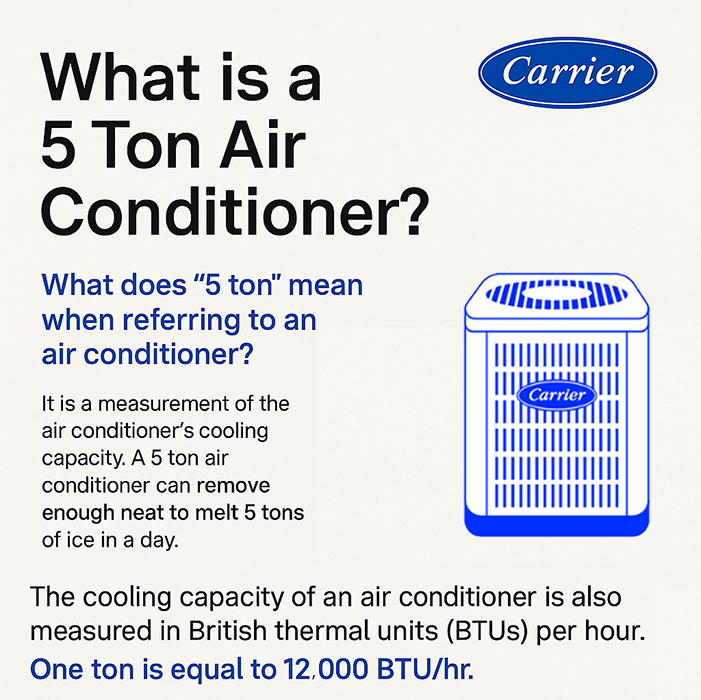
Credit: www.carrier.com
Btu Role In Air Conditioning
BTU stands for British Thermal Unit. It measures the energy needed to cool your space. Understanding BTU helps in selecting the right air conditioner.
Air conditioners use BTU ratings to show their cooling power. Higher BTU means more cooling capacity. It’s important to match the BTU with your room size.
Cooling Capacity
Cooling capacity is how much heat an air conditioner can remove. It is measured in BTUs per hour. The right capacity ensures effective cooling and energy efficiency.
- Calculate room square footage: Length x Width
- Determine BTU needed: 20 BTU per square foot
- Consider room factors: sunlight, ceiling height, and insulation
Btu And Room Size
Room size affects the BTU requirement of an air conditioner. Larger rooms need more BTUs. A small AC in a big room won’t cool effectively.
Here’s a simple table to guide your BTU choice:
| Room Size (sq ft) | BTU Needed |
| 100-150 | 5,000 |
| 150-250 | 6,000 |
| 250-300 | 7,000 |
| 300-350 | 8,000 |
| 350-400 | 9,000 |
Choosing The Right Btu
BTU stands for British Thermal Unit. It measures how much heat an air conditioner can remove. Choosing the right BTU is important for comfort and energy use.
If the BTU is too low, the room stays warm. If it is too high, the air conditioner wastes energy. Let’s learn how to find the right BTU for your space.
Calculating Btu Needs
Measure the size of your room in square feet. Multiply the length by the width. This gives you the area that needs cooling.
Use the area to estimate BTU. A simple rule is about 20 BTU per square foot. Add more BTU if the room is sunny or has many people.
- Room size under 150 sq ft: 5,000 BTU
- 150 to 250 sq ft: 6,000-8,000 BTU
- 250 to 350 sq ft: 8,000-10,000 BTU
- 350 to 450 sq ft: 10,000-12,000 BTU
- 450 to 550 sq ft: 12,000-14,000 BTU
Effects Of Over Or Under-sized Units
An air conditioner with too low BTU will run longer and may not cool well. It uses more electricity and wears out faster.
Too high BTU cools quickly but turns on and off often. This wastes energy and may make the room feel damp or cold.
- Under-sized unit: Poor cooling, high energy use
- Over-sized unit: Short cycles, energy waste, humidity issues
- Right size: Efficient cooling, comfortable room
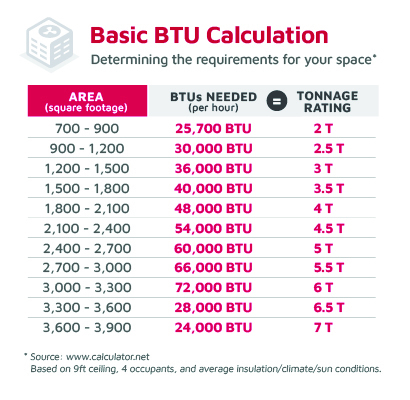
Credit: www.lennox.com
Btu Ratings On Air Conditioners
BTU stands for British Thermal Unit. It measures how much heat an air conditioner can remove from a room each hour. Understanding BTU ratings helps you pick the right air conditioner size.
Choosing the correct BTU size saves energy and keeps your space comfortable. Too small a unit may not cool well. Too large a unit wastes power and causes humidity issues.
Understanding Labels
Air conditioner labels show the BTU rating clearly. This number tells you the cooling power. You will also find energy efficiency ratings and model information on the label.
- Look for the BTU number on the product label.
- Check the Energy Efficiency Ratio (EER) or Seasonal Energy Efficiency Ratio (SEER).
- Note the model number for size and features.
- Labels may include cooling area in square feet.
Comparing Different Models
When you compare air conditioners, focus on BTU and energy use. A higher BTU cools larger rooms. Energy efficiency lowers electric bills. Check these details side by side.
| Model | BTU Rating | Cooling Area (sq ft) | EER |
|---|---|---|---|
| AC1000 | 5,000 | 150 | 10.5 |
| AC2000 | 8,000 | 300 | 11.0 |
| AC3000 | 12,000 | 450 | 10.0 |
Energy Efficiency And Btu
BTU stands for British Thermal Unit. It measures the cooling power of an air conditioner. The higher the BTU, the more cooling the unit can provide.
Understanding BTU helps you choose the right air conditioner size. A unit with the correct BTU will cool your space efficiently without using too much energy.
Seer Ratings
SEER means Seasonal Energy Efficiency Ratio. It shows how well an air conditioner uses energy over a season. A higher SEER rating means better energy efficiency.
- A high SEER rating saves electricity and lowers bills.
- It reduces the environmental impact of cooling.
- Units with higher SEER ratings often cost less to run.
Balancing Power And Efficiency
Choosing the right BTU size and SEER rating balances power and efficiency. Too small BTU means poor cooling. Too large wastes energy and money.
| BTU Size | Room Size (sq ft) | Energy Use |
| 5,000 | 100-150 | Low |
| 8,000 | 150-350 | Moderate |
| 12,000 | 350-550 | High |
| 18,000 | 550-1,000 | Very High |

Credit: www.herzindagi.com
Common Btu Misconceptions
BTU stands for British Thermal Unit. It measures heat energy. Many people confuse BTU with power or energy consumption.
This confusion leads to wrong ideas about air conditioner efficiency and size. Let’s clear up some common misunderstandings about BTU.
Btu Vs Watt
BTU measures heat energy, while watt measures power. These units are related but not the same. BTU tells how much heat an AC can remove per hour.
- BTU is about cooling capacity.
- Watt shows electrical power usage.
- High BTU does not mean low power use.
- Watt helps understand energy cost.
Btu And Energy Consumption
People often think a higher BTU air conditioner uses more energy. This is not always true. Energy consumption depends on watts, not BTU alone.
| BTU Rating | Power Consumption (Watts) | Energy Use (kWh) |
| 5,000 BTU | 500 W | 0.5 kWh/hour |
| 10,000 BTU | 1,000 W | 1 kWh/hour |
| 12,000 BTU | 1,200 W | 1.2 kWh/hour |
Frequently Asked Questions
What Does Btu Mean On An Air Conditioner?
BTU stands for British Thermal Unit. It measures the cooling power of an air conditioner. Higher BTUs mean more cooling capacity.
How Do Btus Affect Air Conditioner Performance?
BTUs determine how effectively an AC cools a space. Proper BTU sizing ensures efficient and comfortable cooling.
Why Is Choosing The Right Btu Important?
Choosing the right BTU prevents overcooling or undercooling. It saves energy and improves air conditioner lifespan.
Can Btu Ratings Help In Energy Efficiency?
Yes, selecting an AC with the right BTU rating improves energy efficiency. It reduces electricity bills and environmental impact.
Conclusion
BTU stands for British Thermal Unit. It shows how much heat an air conditioner can remove. A higher BTU means more cooling power. Choosing the right BTU keeps your room comfortable. Too low, and the room stays warm. Too high wastes energy and money.
Always check the BTU before buying an air conditioner. Understanding BTU helps you pick the best unit for your space. Keep your home cool and save energy by knowing this simple fact. It’s a small detail with a big impact.