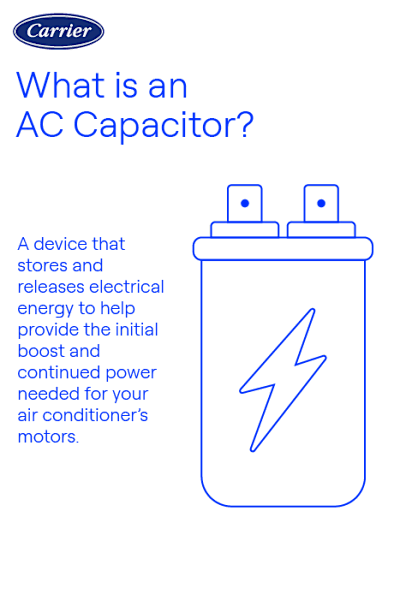
Have you ever wondered why your air conditioner sometimes struggles to start or doesn’t cool as well as it should? The answer often lies in a small but powerful part called the capacitor.
This tiny component plays a crucial role in making sure your air conditioner runs smoothly and efficiently. Understanding what a capacitor does can help you spot problems early and keep your home comfortable all year round. Keep reading to discover how this simple device powers up your cooling system and why it matters for your comfort and your wallet.

Credit: www.amazon.ca
Role Of Capacitor In Ac
The capacitor is a key part of an air conditioner. It helps start the compressor by giving it a quick burst of energy. This boost gets the compressor moving, which cools the air inside your home.
It also powers the fan motor. The fan moves air over the cooling coils, helping spread cool air around the room. Without the capacitor, the fan may not start or run properly.

Credit: www.amazon.ca
Types Of Capacitors In Ac Units
Start capacitorsgive the AC motor a quick boost. They help the motor start turning by giving extra power at the beginning. Without a start capacitor, the motor may struggle to start or not start at all.
Run capacitorskeep the motor running smoothly after it starts. They provide a steady flow of power to keep the motor working efficiently. Run capacitors help save energy and reduce wear on the motor parts.
Dual capacitorscombine the functions of both start and run capacitors in one unit. They save space and are easier to replace. Dual capacitors have three terminals to connect to the motor and fan.
How Capacitors Affect Efficiency
Capacitorshelp the air conditioner motor start and run smoothly. They store and release electrical energy quickly. This reduces the energy consumptionby making the motor work efficiently.
Without a good capacitor, the air conditioner uses more power. This raises electricity bills and wears out the motor faster. A healthy capacitor keeps the performance stableover time.
- Energy Consumption:Capacitors lower the power needed to start the motor.
- Performance Stability:They keep the motor running without sudden stops or slowdowns.
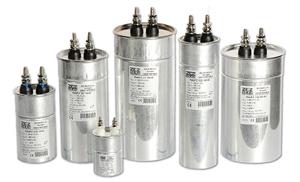
Credit: www.apogeeweb.net
Signs Of A Faulty Capacitor
Unusual noiseslike buzzing or humming can mean the capacitor is bad. These sounds come from the motor struggling to start or run.
Reduced coolingmeans the AC is not blowing cold air well. A weak capacitor can cause the compressor and fan to work less efficiently.
AC not startingis a clear sign of a faulty capacitor. The unit may try to start but fails because the motor lacks the power boost the capacitor gives.
Replacing And Maintaining Capacitors
Safetyis key when replacing or maintaining capacitors. Always turn off powerto the air conditioner before starting. Capacitors can hold a charge even after power is off. Use a multimeterto check if the capacitor is discharged. Wear insulated glovesand use tools with insulated handles. Avoid touching terminals directly. Follow all manufacturer instructionsto prevent shocks or damage.
Capacitorsusually last between 5 to 10 years. Heat, humidity, and frequent use can shorten their life. Signs of failure include slow fan speeds, humming noises, or no start. Regular checks can help catch problems early. Replace capacitors before they cause bigger issues with the air conditioner.
| DIY | Professional Help |
|---|---|
|
|
Frequently Asked Questions
What Role Does A Capacitor Play In Ac Units?
A capacitor in an air conditioner stores electrical energy, helping to start the compressor and fan motors. It ensures smooth, efficient operation by providing the necessary initial power boost. Without a functioning capacitor, the air conditioner may struggle to start or operate efficiently, leading to potential breakdowns.
How Does A Capacitor Affect Ac Performance?
A capacitor significantly impacts an air conditioner’s performance by maintaining optimal energy flow. It boosts the initial power needed for starting the unit’s motors. If a capacitor fails, the AC might have difficulty starting, resulting in inefficient cooling and increased energy consumption.
Can A Faulty Capacitor Damage An Air Conditioner?
Yes, a faulty capacitor can damage an air conditioner. It may cause the compressor and fan motors to overheat. This can lead to motor failure and increased wear and tear. Regular maintenance and timely capacitor replacement can prevent these issues, ensuring the AC runs smoothly.
How Often Should Ac Capacitors Be Replaced?
AC capacitors should typically be replaced every 10 to 15 years. However, their lifespan can vary based on usage and environmental conditions. Regular inspections by a professional can help identify when a capacitor is nearing the end of its life, preventing unexpected breakdowns.
Conclusion
A capacitor helps your air conditioner start and run smoothly. It gives the motor the extra push it needs. Without a capacitor, the AC might not cool well or could stop working. Checking the capacitor regularly keeps your AC reliable and efficient.
A small part, but very important for your comfort. Remember, simple care keeps your air conditioner running longer.