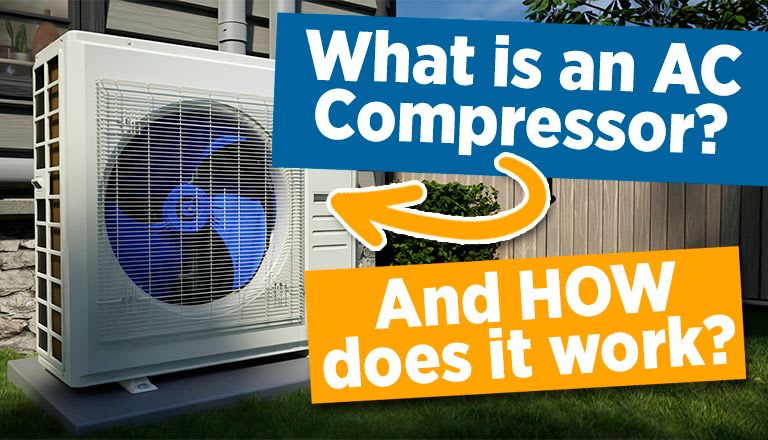
Have you ever wondered what makes your air conditioner cool the air so effectively? The secret lies in one crucial part: the compressor.
Without it, your AC wouldn’t be able to keep your home comfortable during those hot days. You’ll discover exactly what a compressor does in your air conditioner and why it’s the heart of the cooling process. Understanding this can help you take better care of your AC and avoid costly repairs.
Keep reading to unlock the mystery behind your air conditioner’s power!

Credit: reling.com
Compressor Basics
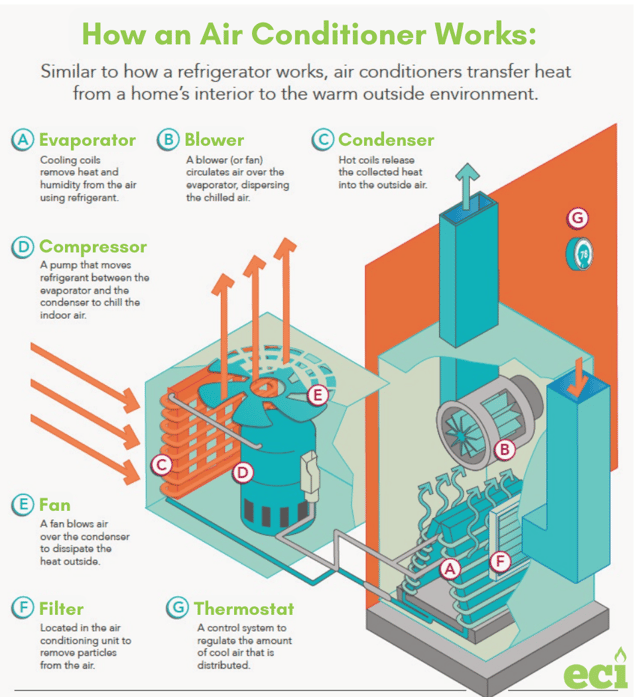
The compressor is a key part of an air conditioner. It moves the refrigerant through the system.
It raises the pressure of the refrigerant to help cool your home. Without it, the air conditioner cannot work.
Role In Cooling Cycle
The compressor squeezes the refrigerant gas to increase its pressure and temperature. This makes the refrigerant hot.
Then the hot gas moves to the condenser coil outside. There it cools down and turns into a liquid. This process helps remove heat from inside your home.
- Compresses refrigerant gas to high pressure
- Sends hot gas to the outside condenser
- Allows refrigerant to cool and change to liquid
- Keeps the cooling cycle running smoothly
Types Of Compressors
Air conditioners use different types of compressors. Each type works in a special way to compress the refrigerant.
Some common compressor types are:
- Reciprocating Compressor:Uses pistons to push the refrigerant gas.
- Scroll Compressor:Uses two spiral parts to compress the gas smoothly.
- Rotary Compressor:Uses a rotating part to squeeze the gas.
- Screw Compressor:Uses two screws to compress large amounts of refrigerant.
How Compressors Work
The compressor is a key part of an air conditioner. It moves the refrigerant through the system.
It raises the pressure and temperature of the refrigerant gas. This helps cool your home.
Refrigerant Compression Process
The compressor takes in low-pressure refrigerant gas. It then compresses this gas to a higher pressure.
- Refrigerant enters the compressor as a cool gas
- The compressor squeezes the gas, raising its pressure
- The compressed gas leaves the compressor hot and dense
- This hot gas moves to the condenser to release heat
Pressure And Temperature Effects
When the compressor raises pressure, the refrigerant’s temperature also rises. This change is important for heat exchange.
| State | Pressure | Temperature |
| Before Compression | Low | Low |
| After Compression | High | High |
Compressor And Refrigerant Flow
The compressor is a key part of an air conditioner. It moves the refrigerant through the system. This helps keep your home cool and comfortable.
Understanding how the compressor works with refrigerant flow shows how air conditioners remove heat. The process keeps the air fresh and cool.
Circulating Refrigerant
The compressor pushes refrigerant through the air conditioning pipes. It changes the refrigerant from low pressure to high pressure. This helps the refrigerant absorb and release heat.
The refrigerant flows from the evaporator to the condenser. The compressor keeps this flow moving. Without the compressor, the refrigerant would stay still and not cool your home.
Maintaining System Efficiency
The compressor helps the air conditioner work well and use less energy. It keeps the refrigerant moving at the right speed and pressure. This makes the cooling process fast and smooth.
If the compressor fails, the system loses efficiency. The refrigerant will not flow properly, and the air conditioner will cool less. A good compressor saves energy and lowers bills.
Credit: www.coolairflorida.com
Impact On Air Conditioner Performance
The compressor is a key part of an air conditioner. It helps move the refrigerant through the system. This movement allows the air conditioner to cool a room effectively.
The compressor’s work affects how well the air conditioner performs. It also influences energy use and cooling power.
Energy Consumption
The compressor uses electrical energy to compress the refrigerant gas. This process requires a lot of power. If the compressor is efficient, it uses less electricity.
- An efficient compressor lowers energy bills.
- Old or faulty compressors increase electricity use.
- Proper maintenance keeps the compressor running well.
Cooling Capacity
The compressor controls the pressure and flow of the refrigerant. This control affects the air conditioner’s cooling power. A strong compressor means better cooling.
| Compressor Feature | Effect on Cooling Capacity |
|---|---|
| High Compression Ratio | Improves cooling speed and strength |
| Low Compression Ratio | Reduces cooling effectiveness |
| Consistent Operation | Maintains steady cooling |
| Frequent Stops and Starts | Causes uneven cooling |
Common Compressor Issues
The compressor is the heart of an air conditioner. It pumps refrigerant and keeps the cooling process going. If the compressor has problems, the whole system may stop working.
Many common issues can affect a compressor. These problems can cause the air conditioner to cool less or stop cooling completely. Knowing these issues helps you act early.
Signs Of Failure
A failing compressor shows clear signs. Watching for these signs can save you from bigger repairs later. The signs often mean the compressor needs attention.
- The air conditioner blows warm air instead of cold.
- Loud noises come from the outdoor unit.
- The system turns on and off frequently.
- The compressor motor overheats or smells burnt.
- The air conditioner uses more electricity than usual.
Preventive Maintenance Tips
Regular maintenance helps keep the compressor healthy. Simple steps can stop problems before they start. Maintenance also improves air conditioner life.
- Clean or replace air filters often to keep airflow strong.
- Check refrigerant levels and refill if low.
- Inspect compressor wiring and connections for damage.
- Keep the outdoor unit clear of dirt and debris.
- Schedule yearly professional check-ups for the whole system.
Choosing The Right Compressor
The compressor is a key part of an air conditioner. It helps move refrigerant through the system. Picking the right compressor improves cooling and saves energy.
Different compressors suit different AC units. You must consider the unit’s size and type. Efficiency ratings also affect your choice.
Compatibility With Ac Units
Not all compressors fit every air conditioner. You need to match the compressor to the AC unit’s design and capacity. Using the wrong one can cause damage or poor cooling.
- Check the AC unit’s model and specifications
- Choose a compressor that matches the refrigerant type
- Consider the size and power of the compressor
- Look at the mounting and connection types
- Ensure the compressor fits the AC unit’s voltage and frequency
Efficiency Ratings
Efficiency ratings show how well a compressor uses energy. Higher efficiency means lower electricity bills and less strain on the system. You should compare ratings before buying.
| Efficiency Rating | Description | Benefit |
| SEER (Seasonal Energy Efficiency Ratio) | Measures cooling output per energy used | Lower energy costs |
| EER (Energy Efficiency Ratio) | Measures efficiency at a specific temperature | Good for hot climates |
| COP (Coefficient of Performance) | Ratio of heating or cooling to energy input | Shows overall performance |
Credit: www.ecicomfort.com
Frequently Asked Questions
What Is The Function Of A Compressor In An Air Conditioner?
The compressor pumps refrigerant through the AC system. It raises refrigerant pressure and temperature, enabling heat exchange and cooling.
How Does The Compressor Affect Air Conditioner Efficiency?
A well-functioning compressor ensures optimal refrigerant flow. This improves cooling performance and reduces energy consumption, enhancing overall efficiency.
Can A Faulty Compressor Stop An Air Conditioner?
Yes, a damaged compressor can halt refrigerant circulation. This causes the AC to stop cooling or work inefficiently.
Why Is The Compressor Called The Heart Of An Air Conditioner?
The compressor circulates refrigerant, enabling heat transfer. It powers the cooling cycle, making it essential for AC operation.
Conclusion
The compressor is vital in air conditioning systems. It circulates refrigerant and cools your space. Without it, the air conditioner can’t function. It compresses the refrigerant gas, increasing its pressure. This enables the cooling process. Energy efficiency and performance depend on a well-maintained compressor.
Regular maintenance ensures it runs smoothly. Understand its role for better AC performance. A healthy compressor means a comfortable home. Always prioritize its care and efficiency. This keeps your air conditioner running effectively.