Are you thinking about upgrading your kitchen and came across the term “convertible range hood”? You might be wondering what it means and why it matters for your cooking space.
Understanding this simple feature can save you time, money, and hassle when choosing the right range hood. Keep reading to discover how a convertible range hood works and how it can fit perfectly into your kitchen setup. This knowledge will help you make a smart decision that keeps your kitchen fresh and your cooking smooth.
Credit: www.homedepot.com
Convertible Range Hood Basics
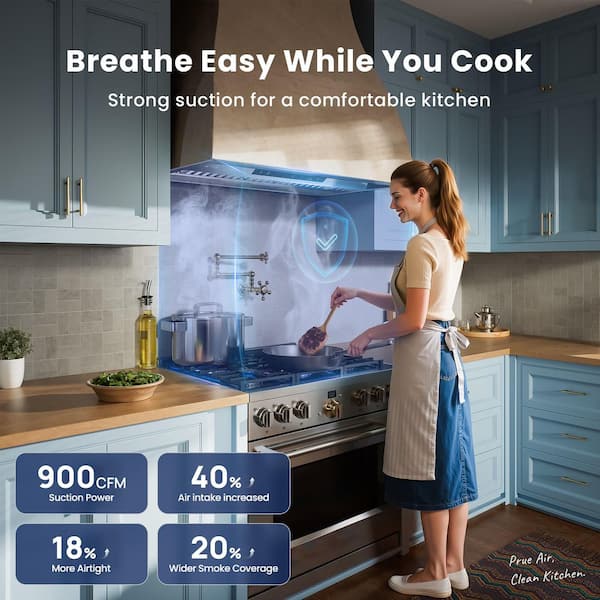
Convertible range hoods offer flexibility in kitchen ventilation. They adapt to different venting needs, providing options for both ducted and ductless setups. This makes them a popular choice for many homeowners. Understanding their features and benefits can help you decide if they’re right for your kitchen.
What Makes A Range Hood Convertible
A convertible range hood can switch between venting methods. It operates with or without ducts, based on your kitchen’s design. This dual functionality is its main feature. It includes filters to clean the air when ductless. This ensures air quality even without external vents.
Types Of Venting Options
Convertible range hoods offer two main venting choices:
- Ducted Venting:Uses ducts to expel air outside. This method removes smoke, odors, and heat efficiently. It’s ideal for extensive cooking.
- Ductless Venting:Recirculates air back into the kitchen. It uses charcoal filters to trap grease and odors. Suitable for kitchens without external venting options.
Choosing the right venting depends on your kitchen’s layout. Each option serves different needs and installation requirements.

Credit: www.homedepot.com
Ducted Vs Ductless Systems
Understanding the difference between ducted and ductless range hood systems is key when choosing a convertible range hood. Both have unique ways of managing kitchen air, and knowing how each works can help you make a smarter decision for your cooking space. Let’s break down how these systems function and weigh their benefits and drawbacks.
How Ducted Systems Work
Ducted range hoods pull cooking smoke, steam, and odors through a vent connected to the outside of your home. This direct venting removes air contaminants completely from your kitchen.
The air travels through ducts, which means your kitchen stays fresh without recirculating the smoke inside. This system requires proper installation, including a vent hole in an exterior wall or roof.
How Ductless Systems Work
Ductless range hoods filter the air through charcoal or carbon filters before releasing it back into your kitchen. They don’t need external vents, making installation easier and more flexible.
These filters trap odors and grease but don’t remove heat or moisture from cooking. You’ll need to replace or clean the filters regularly to keep the system effective.
Pros And Cons Of Each
| System | Pros | Cons |
|---|---|---|
| Ducted |
|
|
| Ductless |
|
|
Which system fits your kitchen better depends on your cooking habits and space constraints. Have you thought about whether venting outside is feasible in your home? The answer can shape your choice between ducted and ductless options.
Installation Flexibility
Installation flexibility is a key advantage of convertible range hoods. These hoods allow you to switch between ducted and ductless setups depending on your kitchen’s needs. This adaptability means you don’t have to compromise on style or function, even if your kitchen layout changes or has unique challenges.
Adapting To Different Kitchen Layouts
Convertible range hoods fit a wide range of kitchen designs. Whether you have an open kitchen island or a traditional wall-mounted setup, these hoods can adjust to your space. You can easily switch from venting outside to recirculating air with filters, which is perfect if your kitchen doesn’t have ductwork.
Imagine moving into a new home where the kitchen lacks an external vent. Instead of buying a new appliance, a convertible hood lets you use the ductless option immediately. Later, if you install ductwork, you can convert the hood to vent outside without extra cost.
Common Installation Challenges
Some kitchens have tight spaces or awkward layouts, making range hood installation tricky. With convertible hoods, you avoid the hassle of rewiring or remodeling just to fit your hood. However, it’s important to measure carefully to ensure the hood fits and functions well in either mode.
Consider the noise level when using the recirculating mode; some models can be louder due to the fan and filters working harder. Also, regular filter changes are necessary to maintain air quality. Are you ready to handle these small tasks for the benefit of flexible installation?
Credit: www.homedepot.com
Performance And Efficiency
Understanding the performance and efficiency of a convertible range hood helps in making the right choice. These hoods offer flexible ventilation options without sacrificing power or energy use. Performance impacts kitchen air quality and comfort during cooking.
Airflow And Ventilation Power
Convertible range hoods provide strong airflow to remove smoke, steam, and odors. Their ventilation power is measured in cubic feet per minute (CFM). Higher CFM means quicker air clearing. Adjustable fan speeds allow control over airflow depending on cooking needs.
Noise Levels And Control
Noise levels affect kitchen comfort. Convertible range hoods usually operate quietly, but noise varies by model and fan speed. Some hoods feature sound-dampening technology or multiple speed settings to reduce noise. This helps maintain a peaceful cooking environment.
Energy Consumption
Energy efficiency matters for lower utility bills and environmental impact. Convertible range hoods use efficient motors and LED lights to save energy. Many models carry energy certifications to ensure reduced power use. Efficient designs balance strong ventilation with minimal electricity use.
Maintenance And Care
Maintaining your convertible range hood is key to keeping it efficient and prolonging its lifespan. Regular care ensures the unit continues to remove smoke, odors, and grease effectively. Neglecting maintenance can lead to poor air quality and costly repairs.
Cleaning Filters And Components
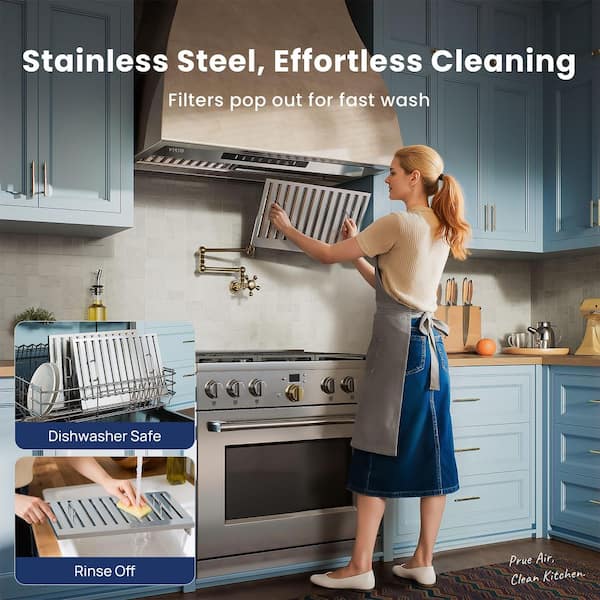
Filters trap grease and airborne particles, so cleaning them regularly is essential. Most convertible range hoods have metal or charcoal filters, which you can remove and wash with warm, soapy water or replace if they’re charcoal type.
Don’t forget to wipe down the fan blades and interior surfaces. Grease buildup not only reduces performance but can also cause unpleasant odors. How often you clean depends on your cooking habits, but a good rule is every one to three months.
Replacing Parts
Parts like filters, lights, and fans wear out over time. Check your range hood’s manual for recommended replacement intervals to avoid surprises. Using worn or damaged parts reduces efficiency and might cause safety issues.
Keep an eye on the fan’s noise level; unusual sounds can signal a need for repair or replacement. When buying replacement parts, choose those compatible with your model to ensure proper function. Have you ever ignored a small issue only to face a bigger problem later?
Choosing The Right Convertible Range Hood
Choosing the right convertible range hood is more than just picking a stylish addition to your kitchen. It’s about making sure it fits perfectly with your space, meets your cooking habits, and stays within your budget. The right choice can improve air quality and keep your kitchen comfortable while complementing your design.
Matching Kitchen Size And Venting Needs
Your kitchen’s size directly affects the type of range hood you need. A small kitchen might only require a hood with a lower airflow capacity, while a larger kitchen or an open-concept space needs a stronger system to clear smoke and odors effectively.
Think about your stove too. Do you cook often or use high-heat techniques like frying or grilling? These habits demand a powerful venting system. Convertible range hoods give you flexibility: you can switch between ducted and ductless setups depending on your kitchen’s layout and vent availability.
Budget Considerations
Budget plays a big role in your range hood selection. Convertible models vary widely in price, often influenced by size, material quality, and features.
Decide how much you’re willing to invest. Sometimes spending a bit more upfront saves money later by avoiding costly installation changes. Also, consider energy-efficient models that reduce electricity bills over time.
Brand And Feature Comparison
Brands differ not only in price but also in durability, noise levels, and available features. Look for brands with good customer reviews and reliable warranties.
Features to consider include:
- Multiple fan speeds for better control
- Easy-to-clean filters
- Lighting options to brighten your cooking area
- Quiet operation for a peaceful kitchen
Have you thought about how often you’ll clean the filters? Choosing a hood with dishwasher-safe filters can save you time and effort. Comparing these details helps you find a model that suits your lifestyle and kitchen needs perfectly.
Frequently Asked Questions
What Does Convertible Range Hood Mean?
A convertible range hood can switch between ducted and ductless modes. It offers flexible ventilation options for different kitchen setups.
How Does A Convertible Range Hood Work?
It uses filters to trap grease and odors in ductless mode. In ducted mode, it vents air outside through a duct system.
Why Choose A Convertible Range Hood?
Convertible hoods adapt to your kitchen’s ventilation needs. They are versatile, easy to install, and improve air quality effectively.
Can I Install A Convertible Range Hood Myself?
Yes, if you have basic tools and skills. Follow the manufacturer’s instructions carefully for ducted or ductless installation.
Conclusion
A convertible range hood offers flexible venting options for your kitchen. It can work as a ducted or ductless system. This means you can choose the best setup for your space. It helps remove smoke, odors, and grease while cooking.
Easy to install and adapt, it fits many kitchen designs. Understanding this can help you pick the right hood. A convertible range hood makes cooking cleaner and more comfortable. Simple, versatile, and practical—an excellent choice for any home.