
Have you ever noticed the word “Dehum” on your air conditioner and wondered what it means? If you’re like many people, you might be confused about this feature and whether you should use it.
Understanding what “Dehum” does can make a big difference in how comfortable your home feels, especially on humid days. You’ll discover exactly what the “Dehum” mode is, how it works, and why it could be the secret to a fresher, cooler space.
Keep reading to learn how to get the most out of your air conditioner and take control of your indoor comfort.

Credit: www.bellinghamelectric.com
Dehum Mode Basics
Dehum mode on an air conditioner helps remove moisture from the air. This makes your room less humid and more comfortable.
Many air conditioners have this setting to control humidity without making the room very cold.
Purpose Of Dehum Setting
The main goal of the dehum setting is to reduce humidity in your room. High humidity can make the air feel sticky and uncomfortable.
- Remove excess moisture from the air
- Prevent mold and mildew growth
- Improve overall indoor comfort
- Help protect furniture and walls from moisture damage
How Dehum Differs From Cooling
Dehum mode and cooling mode work differently even though both use the air conditioner’s compressor.
| Feature | Dehum Mode | Cooling Mode |
| Air Temperature | Stays near room temperature | Usually lowers room temperature |
| Humidity Control | Reduces moisture significantly | Removes some moisture as a side effect |
| Energy Use | Consumes less energy than cooling | Consumes more energy due to full cooling |
| Fan Speed | Runs slower to remove moisture | Runs faster for cooling effect |
How Dehum Works
Dehum on an air conditioner means the unit removes moisture from the air. This helps keep rooms dry and comfortable. The process also affects how cool the air feels.
Understanding how dehumidification works helps explain why your air conditioner feels cooler or warmer sometimes. Let’s look at the main parts of this process.
Moisture Removal Process
The air conditioner pulls warm, moist air inside. The air passes over cold coils. Moisture in the air turns into water droplets on the coils.
- Warm air enters the unit
- Air passes over cold evaporator coils
- Water vapor condenses into liquid water
- Water collects and drains out
- Dry, cool air is pushed back into the room
Impact On Air Temperature
| Effect | Description |
|---|---|
| Temperature Drop | Air cools as it loses moisture on cold coils. |
| Humidity Reduction | Less moisture makes air feel less sticky and fresher. |
| Heat Release | Some heat is released outside, balancing room temperature. |
By removing moisture, the air conditioner also changes the air temperature slightly. This makes indoor air more comfortable during hot days.
Benefits Of Using Dehum
Dehum on an air conditioner means using the unit to remove moisture from the air. This feature helps keep indoor spaces comfortable and healthy.
Using dehum has several benefits. It improves air quality, stops mold growth, and can save energy.
Improving Indoor Air Quality
Dehumidifying the air lowers humidity levels. This reduces dust mites and allergens. Cleaner air helps people breathe easier.
Preventing Mold And Mildew
High humidity causes mold and mildew to grow on walls and furniture. Dehum stops this by keeping moisture low.
- Stops mold spores from spreading
- Protects building materials
- Reduces musty odors
- Improves home safety and health
Energy Efficiency Considerations
Using dehum can save energy by making your home feel cooler without lowering the temperature too much. This helps reduce air conditioner run time.
| Benefit | How Dehum Helps |
| Lower Energy Bills | Less AC runtime needed |
| Comfort | Reduces sticky, humid feeling |
| Equipment Life | Less strain on AC system |
When To Use Dehum Mode
Dehum mode on an air conditioner helps remove extra moisture from the air. It makes the room feel cooler and more comfortable.
This mode is useful when the air feels damp but not too hot. It controls humidity without lowering the temperature too much.
Ideal Weather Conditions
Dehum mode works best in humid weather with mild temperatures. It is good for days when the air is sticky but not very hot.
Using dehum mode in such weather helps keep your home dry and cozy without using much energy.
- Warm and humid days
- Rainy or cloudy weather
- Temperatures between 65°F and 80°F (18°C and 27°C)
Signs You Need Dehumidification
You may need to use dehum mode if your room feels damp or smells musty. High humidity can cause discomfort and mold growth.
Look for these signs to decide if dehum mode is necessary to improve air quality.
- Sticky or clammy skin
- Foggy windows or mirrors
- Musty or stale odors
- Visible mold or mildew spots
- Condensation on walls or ceilings
Common Misconceptions
Many people see the “Dehum” setting on air conditioners and get confused. They often think it means the same as cooling or just running the fan.
Understanding what “Dehum” actually does helps you use your air conditioner better. It is about removing moisture from the air.
Dehum Vs Fan Mode
Dehum mode reduces humidity by removing water from the air. It uses the cooling system but less than normal cooling mode.
Fan mode only moves air around. It does not cool or remove moisture. It uses less energy but does not change humidity.
- Dehum mode cools slightly and removes moisture
- Fan mode only circulates air without cooling
- Dehum helps when air feels sticky or damp
- Fan mode helps when you just want air movement
Dehum And Dry Skin
Some people think dehumidifying always causes dry skin. This is not always true. Dehum mode lowers moisture but does not dry out skin quickly.
Dry skin happens if the air is very dry for a long time. Using dehum mode in balance with other settings helps keep comfort without skin problems.
- Dehum reduces moisture, not skin oils
- Too much dryness can cause skin irritation
- Use moisturizer if air feels dry
- Adjust air conditioner settings to your comfort
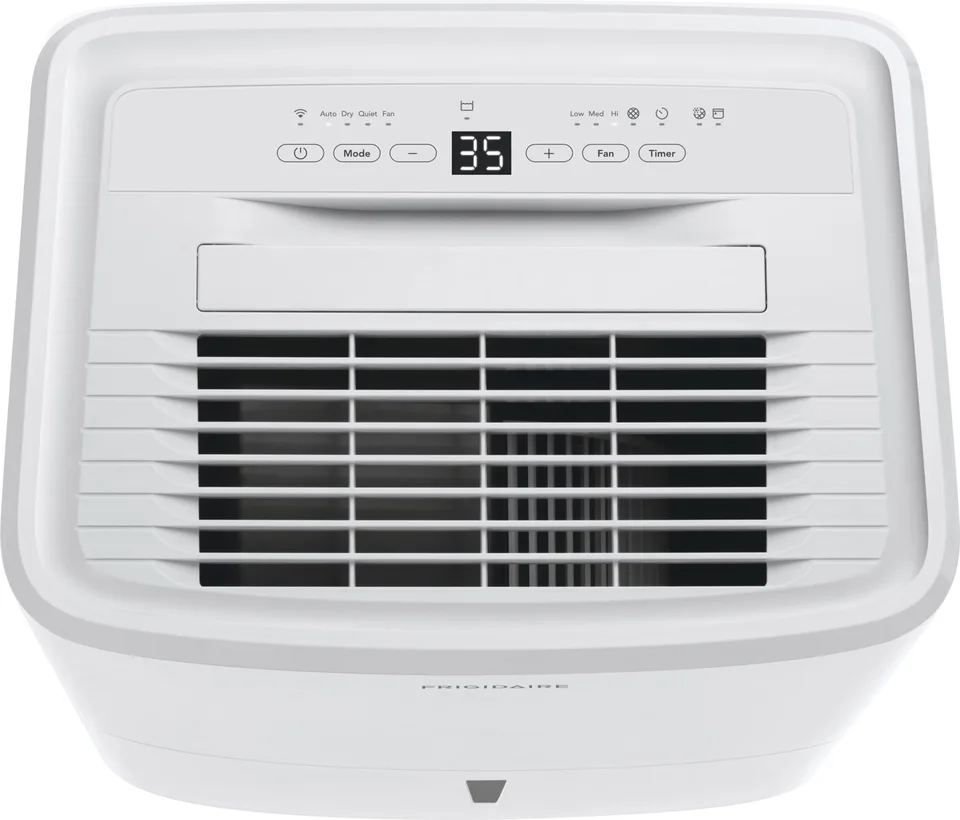
Credit: www.abt.com
Tips For Optimal Use
The “Dehum” mode on an air conditioner reduces indoor humidity. It helps make the air more comfortable without cooling too much.
Using the dehumidify function correctly can improve your comfort and save energy. Here are some tips for the best results.
Setting Adjustments
Set the dehumidifier mode to control moisture without lowering the temperature too much. Choose a comfortable humidity level, usually between 40% and 60%.
Adjust the fan speed to balance airflow and noise. Lower fan speeds often work well for dehumidifying quietly.
- Select “Dehum” or “Dry” mode on your air conditioner remote
- Set desired humidity level if your unit allows
- Use low or medium fan speed for gentle moisture removal
- Avoid setting the temperature too low in this mode
Maintenance For Dehum Functionality
Keep your air conditioner clean for better dehumidifying performance. Dirty filters and coils reduce efficiency and can cause damage.
Regularly check and clean the air filter and drain pipe. This prevents clogs and water buildup that affect moisture removal.
- Clean or replace air filters every 1-2 months
- Inspect and clear the drain pipe to avoid blockages
- Clean evaporator coils annually to improve airflow
- Schedule professional maintenance yearly for best results
Troubleshooting Dehum Issues
The “Dehum” setting on an air conditioner helps remove moisture from the air. It keeps your room dry and comfortable. Sometimes, this function may not work properly.
Knowing how to troubleshoot common problems can save time and effort. Below are some tips to fix issues with the dehumidifier function.
Common Problems
Here are some frequent issues with the dehumidifier mode and how to address them.
- Dehum not turning on:Check if the air conditioner is set correctly. Make sure the remote or control panel selects dehumidify mode.
- Water leaking:The drain pipe might be clogged or disconnected. Clear blockages or reconnect the pipe securely.
- Room still feels humid:The filter may be dirty. Clean or replace the air filter to improve air flow.
- Unit makes loud noise:Loose parts or debris inside the unit can cause noise. Inspect and tighten screws or clean the fan blades.
When To Call A Technician
Some problems need expert help. Call a technician if you notice any of these signs.
| Issue | Reason | Action |
| Dehum mode not responding | Electrical or control board failure | Contact a professional for repair |
| Water pooling inside unit | Internal drainage problem | Technician inspection needed |
| Strange smells or smoke | Electrical short or mold | Turn off unit and call technician |
| Continuous error codes | System malfunction | Professional diagnosis required |

Credit: www.amazon.co.za
Frequently Asked Questions
What Does “dehum” Mean On An Air Conditioner?
“Dehum” stands for “dehumidify. ” It means the air conditioner removes excess moisture from the air. This setting helps reduce humidity, making the room more comfortable and preventing mold growth.
How Does The Dehum Mode Work In Ac Units?
The Dehum mode cools the air slightly and extracts moisture. It runs the compressor and fan at lower speeds. This process reduces humidity without overcooling the room.
Can Dehum Mode Save Energy Compared To Cooling?
Yes, Dehum mode often uses less energy than full cooling. It focuses on moisture removal rather than temperature reduction. This can lower electricity bills during humid but not hot conditions.
When Should I Use The Dehum Function On My Ac?
Use Dehum mode on humid days when the air feels damp. It improves comfort without excessive cooling. It’s ideal for rainy seasons or poorly ventilated rooms.
Conclusion
Understanding the “Dehum” mode on an air conditioner is simple. It helps reduce humidity in your home. This setting improves comfort without cooling too much. It saves energy and protects against mold. Using “Dehum” mode can keep your indoor environment healthy.
It also extends the life of your air conditioner. Consider this feature during humid days. It makes breathing easier and maintains a pleasant atmosphere. Remember, a balanced home environment boosts well-being. So, explore your air conditioner’s modes. Enjoy a comfortable, healthy living space.