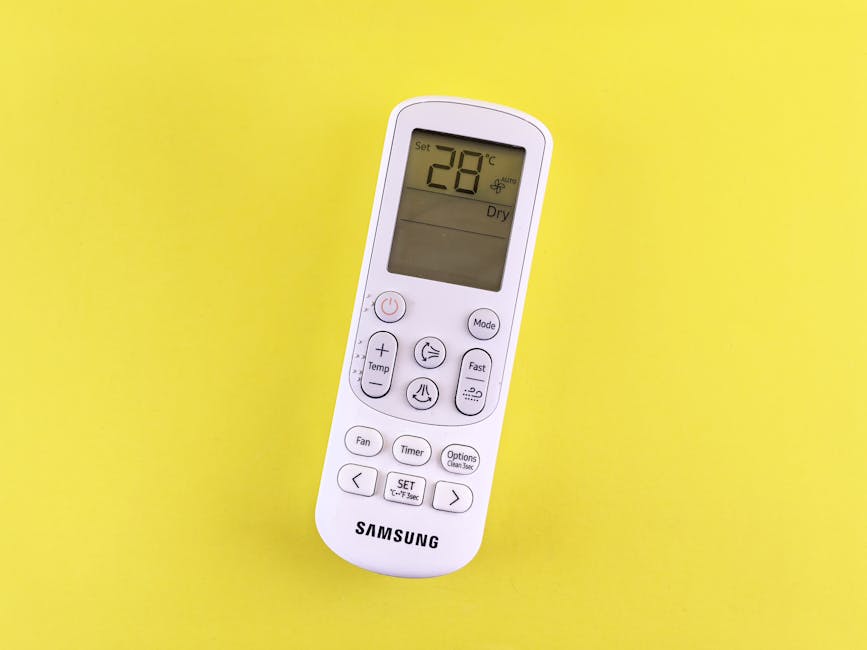
Have you ever noticed a “Dry” mode on your air conditioner and wondered what it really does? Understanding this feature can make a big difference in how comfortable your room feels.
If you want to learn how to use your AC more efficiently and save on energy bills, knowing what the Dry mode does is key. Keep reading, and you’ll discover how this simple setting can improve your indoor air quality and keep your space feeling just right.
Dry Mode Basics
Air conditioners have different modes to adjust comfort. Dry mode is one of these settings.
This mode helps reduce humidity in the room without heavy cooling.
How Dry Mode Works
Dry mode removes moisture from the air. The air conditioner runs the fan and compressor at low speed. This slows down cooling but helps dry the air.
- The AC fan circulates air slowly.
- The compressor cools the coils slightly.
- Moist air touches the cold coils.
- Water condenses and drains out.
- The air feels less humid and more comfortable.
Difference Between Dry And Cool Modes
| Feature | Dry Mode | Cool Mode |
| Purpose | Remove humidity | Lower room temperature |
| Fan Speed | Low or medium | Adjustable, usually higher |
| Compressor Use | Runs intermittently | Runs continuously |
| Room Temperature | Little change | Significantly cooler |
| Energy Use | Lower | Higher |
Benefits Of Dry Mode
Dry mode on an air conditioner helps remove moisture from the air. It keeps rooms less humid without making it too cold.
This mode is useful in damp weather. It improves air quality and comfort inside your home or office.
Humidity Control
Dry mode lowers the moisture level in the air. This helps prevent mold and mildew growth.
It keeps the room feeling fresh and dry. This is good for people with allergies or breathing problems.
Energy Efficiency
Dry mode uses less energy than cooling mode. It runs the compressor less often to save power.
This helps lower electricity bills. It also reduces the wear on your air conditioner.
Comfort Improvement
Dry mode makes the air feel more comfortable. It removes dampness without making the room too cold.
This creates a balanced environment that feels pleasant. It is ideal for humid days or rainy seasons.
When To Use Dry Mode
Dry mode on an air conditioner helps remove extra moisture from the air. It keeps the room comfortable without making it too cold. Using dry mode saves energy compared to cooling mode.
This mode is useful in certain weather and indoor situations. Knowing when to use dry mode helps improve comfort and saves electricity.
Ideal Weather Conditions
Dry mode works best during humid weather. It lowers the humidity level without cooling the room too much. This helps prevent the room from feeling sticky or damp.
- Hot and humid days with high moisture in the air
- Rainy seasons when indoor humidity rises
- Warm weather but not hot enough to need full cooling
Indoor Situations
Use dry mode indoors when humidity causes discomfort or damage. It helps keep rooms dry and prevents mold or mildew growth.
| Indoor Situation | Why Use Dry Mode |
| After cooking or showering | Reduces moisture in the air |
| Basements or rooms prone to dampness | Prevents mold and mildew |
| During mild temperature days | Keeps comfort without cooling too much |
| When air feels sticky or heavy | Removes excess humidity |
Credit: www.youtube.com
Dry Mode Vs Dehumidifiers
Dry mode on an air conditioner and a dehumidifier both reduce moisture in the air. They help make a room feel more comfortable by lowering humidity. Yet, their working methods and uses differ.
This article compares how dry mode and dehumidifiers function. It also looks at their effectiveness in controlling humidity.
Function Comparison
Dry mode is a setting on many air conditioners. It cools the air slightly while removing some moisture. The air conditioner runs its compressor and fan at low speed.
A dehumidifier is a separate device made only to remove moisture. It pulls air in, cools it to condense water, then warms the air before releasing it.
- Dry Mode:Lowers humidity and cools the room mildly.
- Dehumidifier:Focuses on moisture removal without strong cooling.
- Dry Mode:Uses the AC system to reduce humidity and temperature.
- Dehumidifier:Works independently to keep humidity at set levels.
Effectiveness
| Feature | Dry Mode | Dehumidifier |
|---|---|---|
| Humidity Control | Moderate reduction | Strong and precise control |
| Cooling Effect | Some cooling | No cooling, may slightly warm air |
| Energy Use | Lower when AC is already running | Higher for continuous moisture removal |
| Best Use | Hot, humid days needing cooling | Rooms needing constant humidity control |
Common Myths About Dry Mode
Many people do not understand what dry mode does on an air conditioner. This causes confusion about its use. Let’s clear up some common myths.
Dry mode is often mistaken for a cooling setting. Some also think it works the same in all weather. We will explain these ideas clearly.
Does Dry Mode Cool The Room?
Dry mode does not cool the room like the cool mode does. It mainly removes moisture from the air.
The air conditioner runs the fan and compressor slower in dry mode. This helps lower humidity but does not lower the room temperature much.
- Dry mode reduces dampness in the air
- It makes the room feel less sticky
- It does not make the air very cold
- Use cool mode to lower temperature
Is Dry Mode Good For All Climates?
Dry mode works best in humid climates. It helps remove excess moisture and makes the air more comfortable.
In dry or cold climates, dry mode may not be helpful. It can make the air feel colder or drier than needed.
- Use dry mode in places with high humidity
- Avoid dry mode in very dry areas
- Adjust settings based on local weather

Credit: istudentpro.com
Tips For Using Dry Mode Effectively
Dry mode on an air conditioner helps reduce humidity in the room. It cools the air slightly while removing moisture.
Using dry mode properly can make your space feel more comfortable and save energy.
Setting Temperature
Set the temperature a few degrees higher than in cooling mode. This keeps the room comfortable without overcooling.
Dry mode works best when the temperature is between 24°C and 28°C (75°F to 82°F). It focuses on removing moisture, not lowering temperature.
- Avoid setting temperature too low to save energy
- Use a thermometer to check room temperature
- Adjust settings based on humidity levels
Maintenance Advice
Keep your air conditioner clean for dry mode to work well. Dust and dirt can block airflow and reduce moisture removal.
Regular maintenance helps the unit run smoothly and keeps the air fresh.
- Clean or replace air filters every 1-2 months
- Check and clean the drain pipe to prevent clogs
- Schedule professional service once a year

Credit: megafurniture.sg
Frequently Asked Questions
What Is The Dry Mode On An Air Conditioner?
The dry mode on an air conditioner reduces humidity without significantly cooling the room. It works by cycling the compressor on and off to maintain a comfortable humidity level. This mode is perfect for humid days when the air feels sticky but the temperature isn’t too high.
How Does Dry Mode Save Energy?
Dry mode uses less energy than cooling mode because it operates the compressor intermittently. By focusing on dehumidification rather than cooling, it reduces the strain on the air conditioner. This can lead to energy savings and lower electricity bills, especially in humid climates.
When Should I Use The Dry Mode?
Use the dry mode on humid days when the temperature is moderate. It’s ideal for reducing stickiness in the air without overcooling. This mode is also useful during the rainy season when humidity spikes. It helps maintain a comfortable indoor environment by balancing moisture levels.
Does Dry Mode Help With Air Quality?
Yes, dry mode can improve air quality by reducing excess moisture. Lower humidity levels decrease the chance of mold and mildew growth. It also helps in minimizing dust mites and other allergens. This contributes to a healthier and more comfortable living space.
Conclusion
Dry mode on an air conditioner helps remove moisture from the air. It keeps rooms less humid and more comfortable. This mode works without cooling too much. It saves energy while controlling dampness. Using dry mode can prevent mold and dust mites.
It is good for rainy or humid days. Understanding this mode helps you use your AC better. Try dry mode when the air feels sticky but not hot. This simple feature improves your indoor air quality easily.