
Have you ever noticed the word “Dry” on your air conditioner and wondered what it really means? You might think it’s just another setting, but understanding this mode could change the way you use your AC—and even save you money.
If you want to know how the “Dry” mode works, when to use it, and why it might be the perfect option for your home, keep reading. This simple knowledge can make your space more comfortable and your energy bills lower.
Let’s dive into what “Dry” means on your air conditioner and why it matters to you.
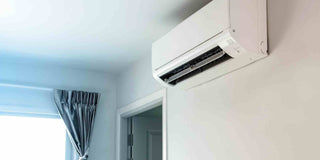
Credit: megafurniture.sg
Dry Mode Functionality
The Dry modeon an air conditioner helps reduce humidityin the room. It works by removing moisture from the air without cooling the room too much.
This mode is useful in places with high humiditybut mild temperatures. It makes the air feel more comfortable and less sticky.
- Air conditioner runs the fan at a low speed.
- Compressor turns on and off to control moisture.
- Temperature stays almost the same, no strong cooling.
- Reduces dampness and prevents mold growth.
Dry mode saves energy compared to cooling mode. It is best used in rainy or humid weather. It improves indoor air quality by lowering moisture.
Benefits Of Dry Mode
Dry modehelps remove extra moisture from the air. It keeps the room less humid and more comfortable. This mode uses less energy than cooling mode. The air conditioner runs the fan slowly to save power.
It is useful in rainy or humid weather. The room feels fresher and less sticky. Dry mode also helps prevent mold and dust mites. These can grow in wet, damp places.
- Reduces humidity without cooling too much
- Saves energy and lowers electricity bills
- Makes the air feel cleaner and fresher
- Prevents mold and mildew growth
- Good for rainy or damp days
Comparing Cool And Dry Modes
The Cool modelowers the air temperature by running the compressor and fan. It removes heat from the room, making it cooler. This mode works best on hot days when you want to reduce the room temperature quickly.
The Dry modefocuses on removing moisturefrom the air. It runs the compressor less often and slows the fan speed. This helps reduce humidity without much change in temperature. Dry mode is useful on rainy or humid days.
| Feature | Cool Mode | Dry Mode |
|---|---|---|
| Purpose | Lower room temperature | Reduce humidity |
| Fan Speed | High | Low |
| Compressor | Runs continuously | Runs intermittently |
| Best Use | Hot, dry days | Humid or rainy days |

Credit: www.reddit.com
Energy Efficiency In Dry Mode
Dry modehelps save energy by reducing humidity in the room. It uses less power than cooling mode because the compressor runs less often. This mode is best for days when the air feels damp but not too hot.
Dry mode works by removing moisturefrom the air without lowering the temperature much. This makes the room feel cooler and more comfortable without using much electricity.
- Compressor runs less frequently, saving energy
- Fan speed is lower, reducing power use
- Maintains a steady temperature for comfort
- Good for humid but mild weather
When To Use Dry Mode
Dry modehelps reduce the humidity in the room. It is best used on cool, damp dayswhen the air feels sticky but not hot. This mode pulls moisture from the air without making the room too cold.
It saves energy compared to the cooling mode because the compressor runs less. Use dry mode in the rainy seasonor during nights with high humidity. It keeps the room comfortable and prevents mold growth.
- Reduces moisture in the air
- Uses less energy than cooling
- Keeps room comfortable on damp days
- Prevents mold and mildew
- Works best below 30°C (86°F)
Impact On Air Quality
The dry modeon an air conditioner helps reduce humidityin the room. Lower humidity means the air feels cooler and fresher. It removes excess moisture without making the room too cold.
This mode can improve air qualityby stopping the growth of moldand dust mites. These thrive in damp places and can cause allergies. Dry mode helps keep these allergens at bay.
It also helps prevent musty smellsby keeping the air dry. Rooms feel more comfortable and less sticky.
- Reduces moisture in the air
- Prevents mold and mildew growth
- Stops dust mites and allergens
- Keeps air fresh and clean
- Does not lower temperature much
Common Misconceptions
Many people think the “Dry” mode on air conditioners only lowers humidity. It does reduce moisture, but it also cools the room slightly. This mode runs the fan slower to save energy and keep the air less damp.
Some believe Dry mode works like a dehumidifier only. It is not as strong as a real dehumidifier. It helps in humid weather but is not ideal for very wet places.
Others think Dry mode cools as much as the “Cool” mode. Actually, Dry mode cools less. It focuses on moisture control more than temperature drop.
- Dry modelowers humidity and cools a little.
- Fan speedis slower to save energy.
- Not a substitute for a dehumidifier.
- Best used in humid weather, not extreme dampness.
- Cools less than Cool mode.
Maintenance Tips For Optimal Performance
Regularly clean or replace the air filters. Dirty filters block airflow and reduce efficiency.
Keep the outdoor unitfree from leaves, dirt, and debris. Clear space around it for good air flow.
Check the drain lineto ensure it is not clogged. A blocked drain can cause water leaks.
- Set the thermostat to dry mode to reduce humidity.
- Use dry mode on humid daysto keep rooms comfortable.
- Dry mode uses less energy than cool mode.
Schedule professional maintenanceonce a year. Experts check refrigerant and clean coils.

Credit: www.reddit.com
Frequently Asked Questions
What Does Dry Mode Mean On An Air Conditioner?
Dry mode on an air conditioner reduces humidity in the room. It removes moisture without significantly lowering the temperature, creating a more comfortable environment. This mode is ideal for damp or rainy days when you want less humidity but don’t need full cooling.
How Does Dry Mode Differ From Cooling Mode?
Dry mode focuses on dehumidifying the air rather than cooling it. Cooling mode lowers the room temperature by blowing cold air, while dry mode removes moisture to reduce stickiness. This helps maintain a comfortable atmosphere without overcooling the space.
When Should I Use Dry Mode On My Ac?
Use dry mode when the air feels humid but not hot. It’s perfect for rainy or muggy days to reduce moisture and prevent mold. This mode conserves energy by running the compressor less frequently than cooling mode.
Does Dry Mode Save Energy Compared To Cooling?
Yes, dry mode generally uses less energy than cooling mode. It cycles the compressor on and off to remove moisture efficiently. This mode lowers electricity consumption while maintaining comfort in humid conditions.
Conclusion
The “Dry” mode on an air conditioner helps remove moisture from the air. It keeps your room less humid and more comfortable. This mode uses less energy than cooling mode. It is useful during rainy or damp days. Knowing what “Dry” means helps you use your AC better.
Keep your space fresh and cozy with the right settings. Simple steps make a big difference in comfort. Use the “Dry” mode wisely to improve your indoor air quality.