
Have you ever noticed the word “Dry” appearing on your air conditioner’s display and wondered what it means? You’re not alone.
Understanding this simple setting can make a big difference in how comfortable your room feels and how efficient your AC runs. You’ll discover exactly what “Dry” mode does, why it’s useful, and when you should use it. Keep reading to unlock the secret to better indoor comfort and energy savings.

Credit: www.reddit.com
Dry Mode Basics
Dry mode is a setting on many air conditioners. It helps remove extra moisture from the air.
This mode is useful in humid weather. It makes the room feel more comfortable without much cooling.
Purpose Of Dry Mode
Dry mode reduces humidity inside a room. It lowers the wetness in the air to improve comfort.
This mode is not mainly for cooling. It keeps the temperature steady while removing moisture.
How Dry Mode Works
The air conditioner runs the fan and compressor in a special way. It slows down the cooling cycle.
Air passes over cold coils that remove moisture. The water collects and drains out of the unit.
- Fan speed is slower to allow more moisture removal
- Compressor runs intermittently to avoid overcooling
- Room temperature stays near the set level
Benefits Of Dry Mode
Dry mode on an air conditioner helps reduce moisture in the air. It works without cooling the room too much.
This mode is useful during humid days. It keeps the room comfortable and prevents dampness.
Humidity Control
Dry mode removes extra moisture from the air. This stops the room from feeling sticky or wet.
Lower humidity helps stop mold and mildew growth. It also protects furniture and walls from damage.
Energy Efficiency
Dry mode uses less energy than cooling mode. It runs the fan and compressor less often.
This saves electricity and lowers your energy bills. It is good for both the environment and your wallet.
Comfort Improvement
Dry mode keeps the air fresh and comfortable. It stops the room from feeling too cold or damp.
This mode is helpful for people with allergies or breathing problems. It improves indoor air quality.
When To Use Dry Mode
Dry mode on an air conditioner helps remove moisture from the air. It keeps the room less humid without making it very cold.
This mode is useful when the air feels damp but the temperature is not very high. It helps make the room more comfortable.
Ideal Weather Conditions
Dry mode works best on days when the weather is warm and humid. It lowers moisture without much cooling.
Using dry mode in such weather helps prevent the room from feeling sticky and damp.
- Warm days with high humidity
- Light rain or cloudy weather
- When the air feels heavy or wet
Avoiding Overcooling
Dry mode cools less than normal cooling mode. It stops the room from getting too cold.
This mode is good if you want to keep the room comfortable without lowering the temperature too much.
- Use dry mode to save energy
- Prevents cold air on mild days
- Keeps temperature steady
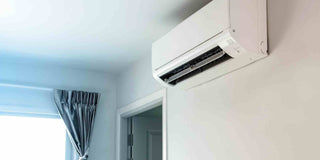
Credit: megafurniture.sg
Dry Mode Vs Cooling Mode
Air conditioners have different modes to control indoor comfort. Two common modes are Dry mode and Cooling mode. Each mode works differently to manage temperature and humidity.
Understanding these modes helps you use your AC efficiently. It also saves energy and improves comfort in your room.
Key Differences
Dry mode reduces moisture in the air without cooling it much. Cooling mode lowers the room temperature actively. Both modes use the AC’s compressor but in different ways.
| Feature | Dry Mode | Cooling Mode |
| Purpose | Remove humidity | Lower temperature |
| Compressor Usage | Runs intermittently | Runs continuously |
| Fan Speed | Lower speed | Higher speed |
| Energy Consumption | Less energy | More energy |
| Room Temperature | Stable or slight drop | Significant drop |
Choosing The Right Mode
Select Dry mode when the room feels damp but not hot. It helps reduce stickiness without making you cold. Cooling mode suits hot weather and times when you need faster cooling.
- Use Dry mode in rainy or humid weather.
- Switch to Cooling mode on hot summer days.
- Dry mode saves energy if you only want less moisture.
- Cooling mode is better for quick and strong temperature drop.
- Turn off Dry mode if the room feels too cold or dry.
Common Issues With Dry Mode
Dry mode in air conditioners helps reduce humidity in the room. It does not cool the air like normal mode. Users may face some problems while using dry mode.
This section explains common issues related to dry mode. Understanding these problems can help you use the AC better.
Unit Not Cooling Properly
Dry mode lowers moisture but does not cool the room as much as cooling mode. Some users expect strong cooling and get disappointed.
- Dry mode works slower than cooling mode to lower temperature.
- The fan speed is usually lower to help remove humidity.
- If the room is very hot, dry mode may feel ineffective.
- Sometimes, the AC may stop the compressor to save energy, reducing cooling.
Excess Moisture Problems
Dry mode removes humidity but may cause excess moisture inside the unit. This can cause issues if not handled properly.
| Problem | Cause | Effect |
| Water Leakage | Condensed water overflow | Water drips inside or outside the room |
| Foul Smell | Mold growth from moisture | Bad odor from AC vents |
| Reduced Efficiency | Wet filters and coils | Lower airflow and cooling |
| Frequent Maintenance | Excess moisture buildup | More cleaning and repairs needed |
Tips For Effective Use
Using the dry mode on your air conditioner helps reduce humidity in your room. It makes the air feel cooler without lowering the temperature too much.
To get the best results from dry mode, you need to take good care of your AC and adjust the settings properly.
Maintaining Your Ac
Regular maintenance keeps your air conditioner working well in dry mode. Clean filters and check the system often.
- Clean or replace air filters every month.
- Check for leaks in the pipes and repair them quickly.
- Keep the outdoor unit free of dust and leaves.
- Schedule professional service once a year.
Optimizing Dry Mode Settings
Set your air conditioner correctly to use dry mode efficiently. Adjust temperature and fan speed for comfort and energy saving.
| Setting | Recommended Dry Mode Option | Reason |
| Temperature | Set 2-3°C higher than cooling mode | Prevents overcooling while reducing humidity |
| Fan Speed | Low or Medium | Allows better moisture removal |
| Duration | 1-2 hours per use | Avoids over-drying the air |

Credit: www.midea.bg
Frequently Asked Questions
What Does “dry” Mode Mean On An Air Conditioner?
“Dry” mode reduces humidity in the room by removing moisture from the air. It runs the compressor at low speed, saving energy while keeping you comfortable.
How Does Dry Mode Differ From Cool Mode?
Dry mode focuses on dehumidification, while Cool mode lowers the room temperature. Dry mode uses less energy and prevents the room from feeling too cold.
When Should I Use Dry Mode On My Air Conditioner?
Use Dry mode during humid days when you want to reduce moisture. It is ideal for mild temperatures and helps prevent mold and dampness.
Does Dry Mode Save Energy Compared To Cool Mode?
Yes, Dry mode consumes less power by running the compressor intermittently. This makes it energy-efficient, especially in humid conditions without the need for intense cooling.
Conclusion
Understanding the “Dry” mode on air conditioners is essential. It reduces humidity efficiently. This setting enhances comfort without extra cooling. Saves energy too. Ideal for muggy days. Not a substitute for heating or cooling modes. It’s a helpful feature for specific needs.
Regular maintenance ensures optimal performance. Always check your air conditioner’s manual. It offers detailed guidance. Remember, dry mode can improve indoor air quality. Beneficial for sensitive individuals. Now, you’re equipped to use this feature wisely. Keep your home comfortable and energy-efficient.
Enjoy the benefits of a well-managed climate.