
Have you ever noticed a “Dry” setting on your air conditioner but weren’t sure what it actually does? If you’re looking to make your home more comfortable without cranking up the cooling all the time, understanding this feature can be a game-changer.
The Dry mode isn’t just about lowering the temperature—it helps control moisture in the air, which can make your space feel fresher and less sticky. Keep reading to discover how using the Dry setting can improve your indoor comfort and even save energy.
You’ll soon see why this simple feature might become your new favorite AC option.
Dry Mode Basics
The Dry Modein air conditioners helps to remove excess moisture from the air. It works by running the fan and compressor at a slow speed, which cools the air just enough to condense water vapor into liquid. This water is then drained out, making the room less humid. The temperature doesn’t drop much, so it feels cooler but not cold.
Dry Mode is useful during rainy or humid days. It helps reduce dampness without making the room too cold. The fan moves air slowly, so the room stays comfortable.
| Feature | Dry Mode | Cool Mode |
|---|---|---|
| Purpose | Removes moisture | Lowers temperature |
| Fan Speed | Slow | Fast |
| Compressor Speed | Slow | Fast |
| Effect on Room | Less humid, slightly cooler | Much cooler |
| Energy Use | Lower | Higher |

Credit: northnjhvac.com
Benefits Of Dry Mode
The dry mode on an air conditioner helps to reduce humidityin the room. It removes extra moisture from the air without cooling it too much. This makes the air feel fresher and more comfortable.
Using dry mode can save energy. The air conditioner runs less power because it focuses on removing moisture, not cooling. This helps to lower electricity bills.
People feel better with less dampness around. Dry mode stops the room from feeling sticky or wet. It creates a pleasant and healthyspace to relax or work in.
When To Use Dry Mode
Dry modeworks best in humid weatherwithout much heat. It helps to remove moisturefrom the air, making the room feel cooler without lowering the temperature too much.
Using dry mode can prevent overcooling. This is good when you want to stay comfortable but avoid feeling too cold. It saves energy by not running the compressor all the time.
Dry mode also helps in improving indoor air quality. By reducing moisture, it stops mold and mildew from growing. This keeps the air cleaner and healthierto breathe.
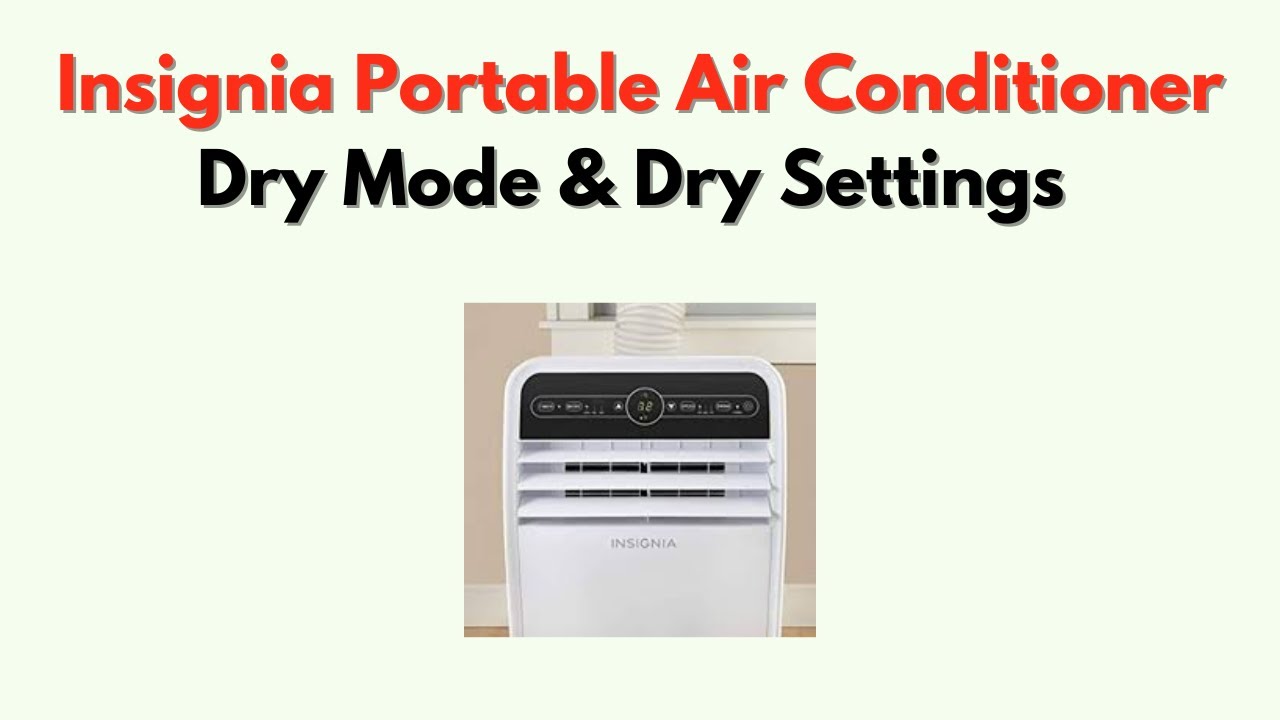
Credit: www.youtube.com
Dry Mode And Health
Dry modeon air conditioners helps reduce moisturein the air. This lowers the chance of mold and mildewgrowth. Mold and mildew like damp places and can cause damage to walls and furniture.
Less moisture means a cleaner environment. This helps prevent allergiesand asthmaattacks. Mold spores can harm breathing. Dry mode helps keep the air healthierto breathe.
- Reduces dampness on walls and floors
- Prevents mold spores from spreading
- Improves indoor air quality
- Helps people with respiratory problems
Common Misconceptions
Dry mode removes humidityfrom the air without cooling much. It is not the same as fan mode, which only moves air around. Dry mode helps to make the room feel cooler by reducing moisture, but the temperature does not change much. Fan mode does not change humidity or temperature; it just circulates air.
In dry mode, the air conditioner runs the compressor sometimes to remove moisture. The fan runs slower to help with this process. Temperature control in dry mode is limited. The unit keeps the room at a comfortable level but does not cool as much as cooling mode. This mode is best for humid days, not for hot days.
Tips For Using Dry Mode Effectively
Set the temperatureslightly higher than usual. Dry mode focuses on removing moisture, not cooling the air. This helps keep the room comfortable without making it too cold. Avoid setting it too low to save energy and prevent overcooling.
Regular maintenancekeeps dry mode working well. Clean or replace filters often. Dust and dirt block airflow and reduce moisture removal. Check the drain pipe to ensure water flows out easily. This stops leaks and damage.

Credit: deepchill.com.au
Frequently Asked Questions
What Is The Dry Setting On An Air Conditioner?
The dry setting on an air conditioner reduces humidity in the room. It works by drawing moisture from the air without significantly cooling it. This mode is ideal for humid days when the temperature isn’t too high. It can enhance comfort and improve air quality indoors.
How Does Dry Mode Save Energy?
Dry mode consumes less energy by reducing compressor usage. It focuses on dehumidifying rather than cooling, which requires less power. This setting can lower electricity bills, especially in humid but mild weather. It’s an energy-efficient option for maintaining comfort without overcooling the space.
When Should I Use The Dry Setting?
Use the dry setting during humid days with moderate temperatures. It’s perfect when you feel sticky but not too hot. This mode balances humidity levels, making the indoor environment more comfortable. It’s ideal for monsoon seasons or coastal areas with high humidity.
Does Dry Mode Affect Room Temperature?
Dry mode slightly lowers the room temperature by removing moisture. However, it primarily focuses on reducing humidity rather than cooling. This makes the environment feel more comfortable without causing a drastic temperature drop. It’s a subtle way to improve indoor air quality.
Conclusion
The dry setting on an air conditioner helps reduce room humidity. It makes the air feel cooler without lowering the temperature much. This setting is useful on damp, muggy days. It keeps the air fresh and comfortable. Using dry mode can save energy compared to full cooling.
It also helps prevent mold and mildew. Try using dry mode when the air feels sticky but not hot. It can improve your indoor comfort easily and quietly. Simple and effective for better air quality.