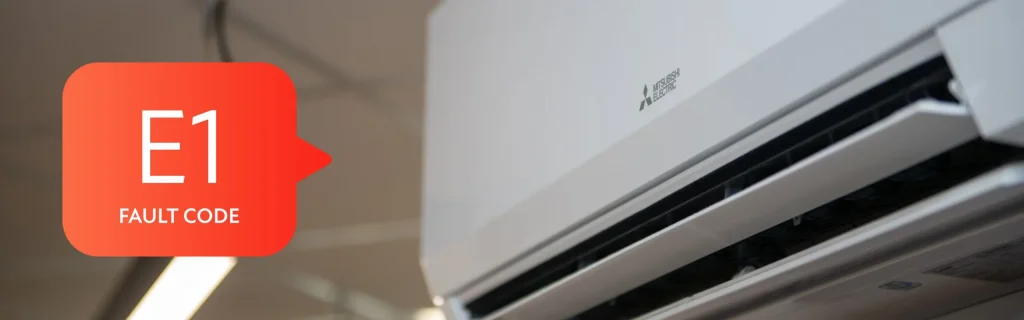
Have you ever glanced at your air conditioner’s display and spotted the code “E1” flashing? It can be confusing and maybe even a little worrying.
But don’t panic—this simple code holds important information about your AC’s health. Understanding what “E1” means can save you time, money, and discomfort. You’ll discover exactly what the E1 error means, why it shows up, and what steps you can take to fix it quickly.
Keep reading to make sure your air conditioner keeps you cool without any unexpected hiccups.

Credit: ecotechyorkshire.co.uk
E1 Error Code Basics
The E1 error code shows a problem in an air conditioner. It is a common code used by many brands. This code helps users and technicians find issues fast.
Seeing E1 means the AC needs attention. It points to a specific fault, often related to sensors or wiring. Knowing what E1 means can help fix the problem quickly.
Common Causes
The E1 code usually relates to sensor problems. The temperature sensor might be broken or disconnected. Wiring issues can also cause this error.
Other causes include dirt on sensors or a faulty control board. Sometimes, power supply problems trigger the E1 code. Checking these parts helps find the exact cause.
- Faulty temperature sensor
- Loose or damaged wiring
- Dirt or debris on sensors
- Control board malfunction
- Power supply issues
Impact On Ac Performance
The E1 error stops the air conditioner from working properly. The AC may shut down or fail to cool the room. This protects the unit from damage.
Ignoring the E1 code can cause bigger problems. The AC might use more energy or break parts. Fixing the error keeps the system efficient and safe.

Credit: ecotechyorkshire.co.uk
Diagnosing The E1 Error
The E1 error on an air conditioner shows a problem with the temperature sensor. This error stops the unit from working well.
Fixing the E1 error needs checking parts carefully. You can follow simple steps to find the cause.
Checking The Temperature Sensor
The temperature sensor tells the air conditioner the room’s temperature. If it is broken or dirty, the E1 error appears.
- Look for dirt or dust on the sensor.
- Clean the sensor gently with a soft cloth.
- Check if the sensor is loose or moved.
- Replace the sensor if it is damaged or cracked.
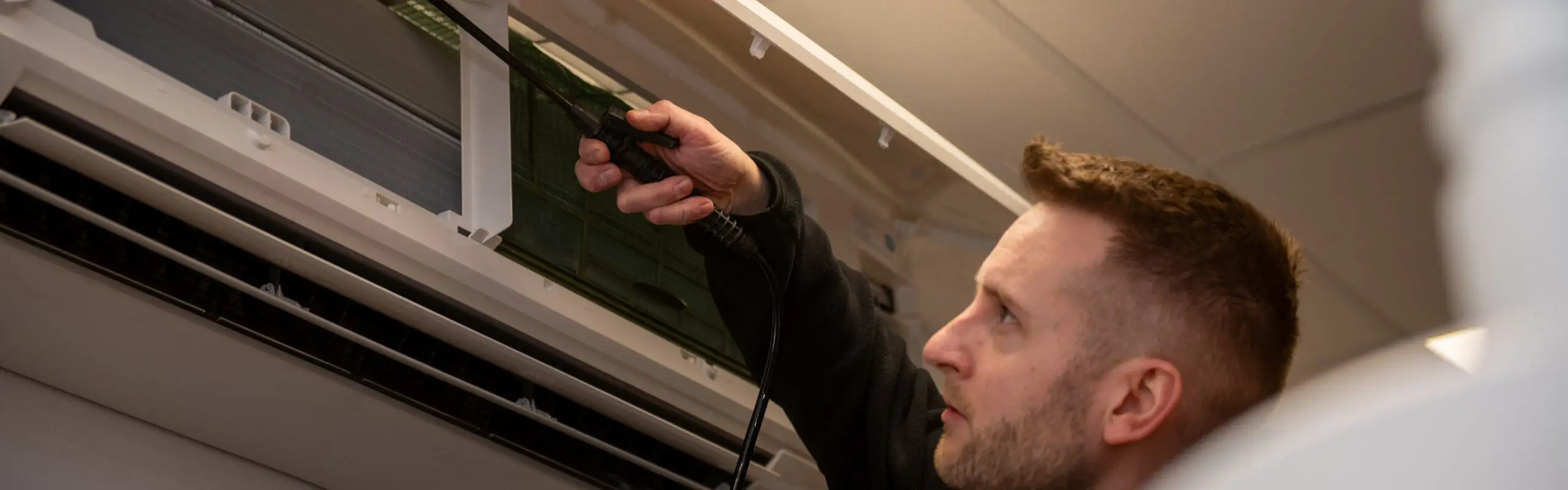
Inspecting The Wiring
Wiring connects the temperature sensor to the air conditioner’s control board. Faulty wiring can cause the E1 error.
| Wiring Issue | What to Check | Fix |
| Loose connection | Sensor plug and control board plug | Push plugs firmly together |
| Broken wire | Look along wires for breaks or cuts | Replace or repair wires |
| Corroded terminals | Metal contacts at plugs | Clean with contact cleaner |
Reviewing The User Manual
The user manual explains error codes and how to fix them. It gives details specific to your air conditioner model.
Look in the manual for:
- Meaning of the E1 error
- Steps to reset the unit
- Contact info for service support
- Safety warnings before repair
Quick Fixes For E1 Error
The E1 error on an air conditioner usually means a sensor problem. This error can stop the unit from working properly.
Here are simple ways to fix the E1 error at home. You do not need special tools or skills.
Resetting The Air Conditioner
Turn off the air conditioner and unplug it from the power source. Wait for about five minutes to let it reset.
Plug it back in and turn it on. This can clear the error if it was caused by a temporary glitch.
Cleaning The Sensor
The E1 error often happens because the sensor is dirty. Dust or dirt can block the sensor from working well.
Use a soft cloth or a small brush to clean the sensor gently. Avoid using water or harsh chemicals.
- Turn off the air conditioner first
- Locate the sensor inside the unit
- Wipe the sensor gently with a dry cloth
- Remove dust with a soft brush if needed
- Turn the unit back on and check for the error
Reconnecting Loose Wires
Loose wires can cause the E1 error. Check the wires connected to the sensor and control board.
Make sure all wires are connected tightly. If you find loose wires, push them back in firmly.
- Switch off and unplug the air conditioner
- Open the front panel carefully
- Inspect wires near the sensor and control board
- Secure any loose wires
- Close the panel and turn on the air conditioner
When To Call A Technician
The E1 error on an air conditioner shows a problem. It usually means a sensor or wiring issue. Sometimes, you can fix it yourself. Other times, you need a professional.
Knowing when to call a technician can save time and money. It also keeps your air conditioner safe and working well.
Persistent Error Issues
If the E1 error keeps appearing after you reset the unit, call a technician. This means the problem is not solved by simple fixes. The sensor or control board may be faulty.
Ignoring a persistent error can damage the air conditioner. A technician will find the exact cause and fix it properly.
Complex Electrical Problems
The E1 code can also point to electrical issues inside the unit. These problems need expert care. Mishandling electrical parts is dangerous.
Call a technician if you see signs like:
- Burning smell near the air conditioner
- Frequent power trips or outages
- Sparks or unusual noises from the unit
- The unit does not turn on or off properly
Preventing Future E1 Errors
The E1 error on an air conditioner usually means a temperature sensor problem. Fixing it quickly helps your AC work well. You can stop this error from coming back by keeping your unit clean and using it the right way.
Following simple maintenance and usage tips can keep your air conditioner running smoothly. These tips help avoid sensor errors and improve your AC’s life.
Regular Maintenance Tips
Regular cleaning and checks can prevent many E1 errors. Dirt or dust on parts can cause sensor problems. Keep your AC parts clean and check for damage often.
- Clean or replace air filters every month.
- Check the temperature sensors for dust or damage.
- Make sure the indoor and outdoor units are free of debris.
- Inspect wiring connections to avoid loose contacts.
- Schedule professional service once a year.
Proper Usage Practices
How you use your air conditioner affects sensor performance. Avoid sudden temperature changes. Use the remote control properly to keep the settings stable and safe.
| Do | Don’t |
| Set the temperature gradually. | Change settings too often or quickly. |
| Keep room doors and windows closed. | Run AC with open windows or doors. |
| Turn off the AC during storms or power surges. | Ignore strange noises or smells from the unit. |
| Use the AC within recommended temperature range. | Set temperature too low or too high. |
Credit: ecotechyorkshire.co.uk
Frequently Asked Questions
What Does E1 Error Mean On An Air Conditioner?
E1 error indicates a sensor malfunction or communication issue. It often signals a temperature sensor fault. This error requires checking the sensor connection or replacing the sensor for proper AC function.
How To Fix E1 Code On Air Conditioners?
To fix the E1 code, first power off the unit. Check sensor wiring and connections for damage or looseness. Clean or replace the temperature sensor if needed. If unresolved, contact a professional technician for repair.
Can E1 Error Cause Air Conditioner To Stop Cooling?
Yes, E1 error can disrupt cooling. The AC relies on accurate temperature data to operate. Faulty sensors prevent proper function, causing the system to stop cooling or shut down to avoid damage.
Is E1 Error Common In All Air Conditioner Brands?
E1 error is common but may vary in meaning by brand. Most brands use E1 to indicate sensor problems. Always consult your AC’s manual to understand specific error codes and troubleshooting steps.
Conclusion
Understanding the E1 error code on your air conditioner is crucial. It helps identify issues quickly, preventing bigger problems. Regular maintenance can reduce these errors. Keep your air conditioner clean and well-serviced. This ensures smooth operation and longer lifespan. A well-functioning air conditioner keeps your home comfortable.
If E1 persists, contact a professional. They can offer expert solutions. Knowing these basics will save you time and stress. Next time you see E1, you’ll know what to do. Simple actions can lead to a well-cooled home. Stay informed and enjoy the comfort.