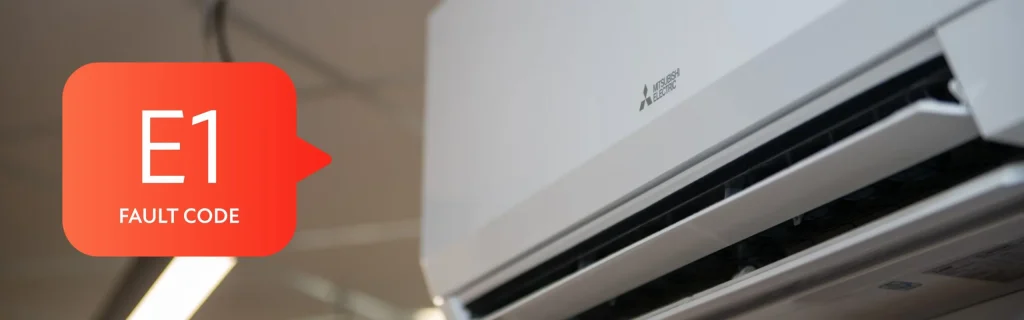
Have you ever noticed the code “E1” flashing on your air conditioner and wondered what it means? Seeing this message can be confusing and even a little worrying, especially when you just want your home to stay cool and comfortable.
Understanding what “E1” indicates can save you time, money, and frustration. You’ll discover exactly what the “E1” error means, why it appears, and the simple steps you can take to fix it. Keep reading to take control of your air conditioner and avoid unexpected breakdowns.
E1 Error Code Basics
The E1 error code on an air conditioner shows a problem with the unit. It usually means a sensor or connection issue.
This code helps users and technicians find and fix problems quickly. Knowing what causes E1 can save time and money.
Common Causes
The E1 error often comes from a faulty temperature sensor. This sensor tells the AC how cold or hot the air is.
Other causes include loose wiring or dirt on the sensor. These issues stop the AC from working right.
- Broken or damaged temperature sensor
- Loose or disconnected wires
- Sensor dirt or blockage
- Control board issues
Impact On Ac Performance
The E1 error can stop the air conditioner from cooling or heating properly. The unit may turn off to avoid damage.
When the sensor sends wrong information, the AC cannot keep the right temperature. This causes discomfort and higher energy use.
- Reduced cooling or heating ability
- Unit may shut down unexpectedly
- Higher electricity bills
- Possible damage if not fixed
Diagnosing The E1 Error
The E1 error on an air conditioner often signals a problem with the unit’s temperature sensor or airflow. This error can stop your air conditioner from working properly. Knowing how to check the issue helps you fix it quickly.
Below are key areas to inspect when you see the E1 error. These checks help find the cause and guide the next steps for repair or cleaning.
Checking The Air Filter
The air filter stops dust and dirt from entering the air conditioner. A dirty filter can block airflow and cause the E1 error. Check if the filter is clogged or dirty.
Remove the filter and look for dust buildup. Clean it with water and let it dry before putting it back. Replace the filter if it is damaged.
- Turn off the air conditioner before removing the filter.
- Use a soft brush or vacuum to clean the filter.
- Dry the filter completely before reinstalling it.
- Replace the filter every 3 to 6 months for best results.
Inspecting The Temperature Sensor
The temperature sensor tells the air conditioner the room’s temperature. If the sensor is broken or loose, the E1 error may appear. Check the sensor’s position and condition.
Look for loose wires or visible damage. The sensor usually sits near the evaporator coil. Gently clean the sensor if it is dusty. If it looks broken, it may need replacement.
- Turn off power before inspecting the sensor.
- Check for secure connection of sensor wires.
- Clean sensor with a soft cloth if dusty.
- Replace the sensor if it is damaged or unresponsive.
Reviewing Electrical Connections
Loose or damaged electrical connections can cause the E1 error. Inspect the wiring inside the air conditioner. Look for loose plugs, broken wires, or burnt areas.
Make sure all connectors are tight and wires are intact. If you find any damage, call a professional to fix it safely. Avoid touching live wires to prevent shocks.
- Always turn off power before checking wiring.
- Inspect connectors for tightness and corrosion.
- Look for signs of burnt or damaged wires.
- Get professional help for electrical repairs.
Quick Fixes For E1 Error
The E1 error on an air conditioner usually means there is a problem with airflow or the temperature sensor. This error stops the AC from working properly. Fixing it quickly can help keep your room cool.
Below are simple ways to fix the E1 error. These steps do not need a technician and can save you time and money.
Cleaning Or Replacing Filters
Dirty or clogged filters cause poor airflow, which triggers the E1 error. Clean or replace the filters to restore airflow.
Check your air filter every month. Remove dust and dirt by washing it with water or use a vacuum cleaner. If the filter is damaged, replace it with a new one.
- Turn off and unplug the unit before cleaning
- Remove the filter carefully from the AC unit
- Wash it with mild soap and water or vacuum it
- Dry the filter completely before putting it back
- Replace the filter if it is torn or very dirty
Resetting The Unit
Sometimes the E1 error appears due to a temporary glitch. Resetting the air conditioner can clear the error and restart normal operation.
To reset, switch off the AC and unplug it from the power source. Wait for about 5 minutes. Plug it back in and turn it on. This simple step can fix many common errors.
- Turn off the AC unit using the remote or control panel
- Unplug the power cord from the wall socket
- Wait five minutes to let the system reset
- Plug the power cord back in and switch on the AC
- Check if the E1 error disappears
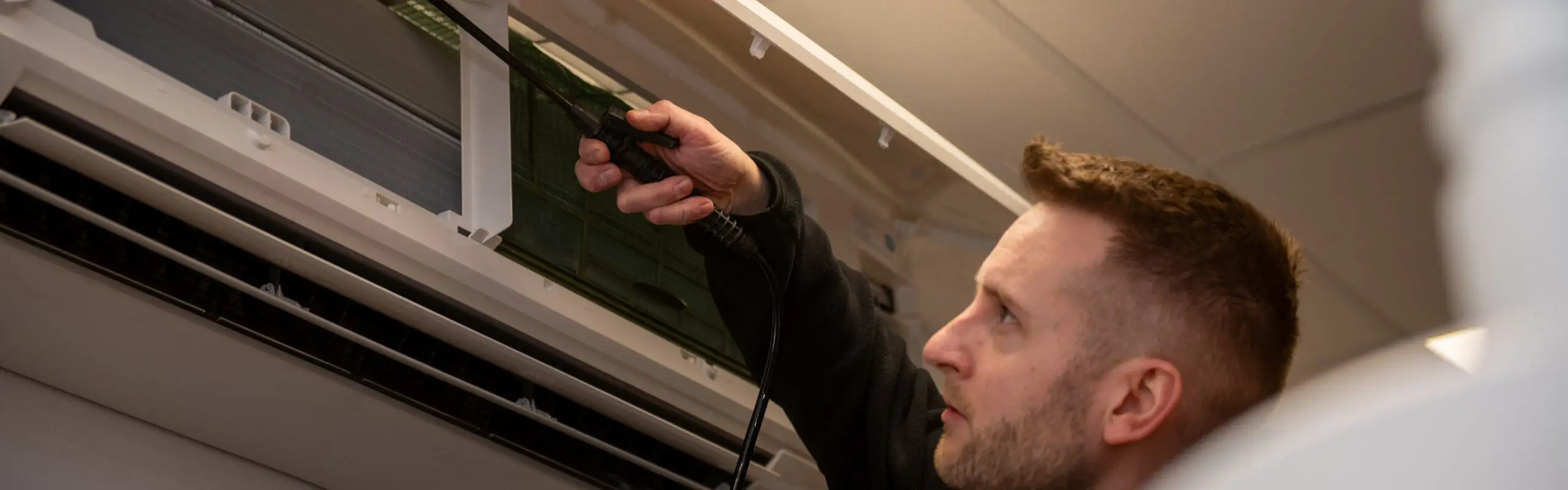
Replacing Faulty Sensors
The E1 error can also mean the temperature sensor is not working. A broken sensor sends wrong data and stops the AC from cooling properly.
If cleaning and resetting do not work, the sensor may need replacement. This task might require a technician or some technical skills.
- Identify the sensor connected to the indoor unit
- Check for visible damage or loose connections
- Purchase a compatible replacement sensor
- Disconnect the old sensor carefully
- Install the new sensor and reconnect properly
- Test the unit to see if the error clears
Credit: ecotechyorkshire.co.uk
When To Call A Technician
The E1 error code on an air conditioner means there is a problem. Sometimes you can fix it yourself. Other times you need a professional.
Knowing when to call a technician helps avoid bigger issues. Read on to learn more.
Persistent Error Codes
If the E1 error code keeps showing after you reset the AC, call a technician. This means the problem is not fixed.
Persistent errors can cause damage to the air conditioner. A technician can find the exact cause and fix it safely.
Complex Electrical Issues
The E1 code can mean electrical problems inside the AC unit. These issues are hard to fix without skills.
Do not try to fix wires or circuits yourself. Call a technician to avoid shocks or damage.
Preventing Future E1 Errors
The E1 error on an air conditioner often signals a problem with the temperature sensor or communication errors. This error can stop the unit from working properly.
Preventing E1 errors helps keep your air conditioner running smoothly and saves you from costly repairs or replacements.
Regular Maintenance Tips
Regular maintenance can reduce the chance of E1 errors. Clean parts and check sensors often to avoid problems.
Make sure to inspect and clean or replace filters, coils, and sensors every few months. This keeps the system working well.
- Clean or replace air filters monthly
- Check temperature sensors for dirt or damage
- Clear dust from coils and vents
- Inspect wiring connections for looseness or corrosion
- Schedule professional service yearly
Proper Usage Practices
Using your air conditioner correctly helps prevent E1 errors. Avoid actions that strain the unit or cause sensor issues.
Set the temperature within the recommended range and avoid blocking air flow. Use the unit according to the user manual.
- Do not set temperature too low or too high
- Keep air flow clear from curtains or furniture
- Turn off the unit during storms or power surges
- Use a surge protector to protect electronics
- Follow user manual instructions carefully

Credit: ecotechyorkshire.co.uk

Credit: m.youtube.com
Frequently Asked Questions
What Does E1 Error Mean On Ac?
The E1 error code on an air conditioner typically indicates a problem with the temperature sensor. It may be malfunctioning or disconnected. This error can affect the unit’s cooling efficiency. It’s recommended to consult the user manual or contact customer support for troubleshooting or repair assistance.
How To Fix E1 Error On Air Conditioner?
To fix the E1 error, first, reset your air conditioner by unplugging it for a few minutes. If the error persists, check the temperature sensor and connections. Ensure it’s properly connected. If the issue continues, contacting a professional technician is advisable for a thorough inspection and repair.
Is E1 Error Code Common In Air Conditioners?
Yes, the E1 error code is relatively common in air conditioners. It often appears due to issues with the temperature sensor. Regular maintenance can prevent such errors. Addressing them promptly ensures efficient cooling and prolongs the unit’s lifespan.
Can I Ignore The E1 Error On My Ac?
Ignoring the E1 error on your air conditioner is not recommended. It indicates a temperature sensor issue that can affect performance. Ignoring it may lead to inefficient cooling and increased energy consumption. Timely troubleshooting or professional assistance is advisable.
Conclusion
E1 on an air conditioner shows a specific error or issue. It helps you know what needs fixing. Checking the user manual can explain the exact problem. Simple steps like cleaning filters may solve it. Calling a technician is best if the issue stays.
Understanding E1 saves time and prevents bigger damage. Keep your AC in good shape for comfort. Knowing error codes helps you use your AC wisely. Stay cool and avoid surprises by watching for E1.