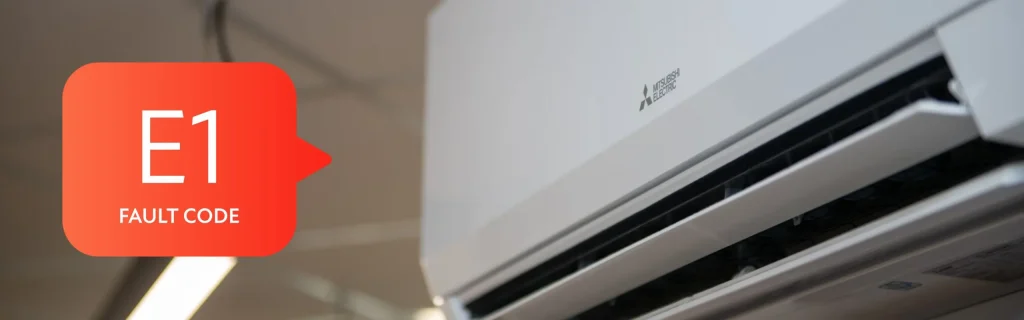
Have you ever glanced at your air conditioner and noticed the code “E1” flashing on the display? It can be confusing and even a bit worrying when your cooling system suddenly shows an error.
But what does E1 really mean, and should you be concerned? Understanding this simple code can save you time, money, and frustration. Keep reading, and you’ll discover exactly what the E1 error indicates and how you can fix it to keep your home cool and comfortable.
Credit: ecotechyorkshire.co.uk
E1 Error Code Basics
The E1 error codeon an air conditioner usually means a problem with the temperature sensoror the communication between indoor and outdoor units. This error stops the AC from working properly to protect the system.
Common Causes
- Faulty or damaged temperature sensor
- Loose or broken wiring connections
- Problems in communication cables between units
- Electrical issues or power surges
Impact On Ac Performance
The E1 error can cause the AC to stop coolingor turn off completely. It may also make the system run inefficientlyor shut down repeatedly. Ignoring this error can lead to more damageand higher repair costs.
Diagnosing E1 On Your Ac
The E1 errorusually points to a problem with the air filter or sensor. Start by checking the air filter. A dirty or clogged filter can block airflow, causing the AC to show the E1 code. Clean or replace the filter to fix this.
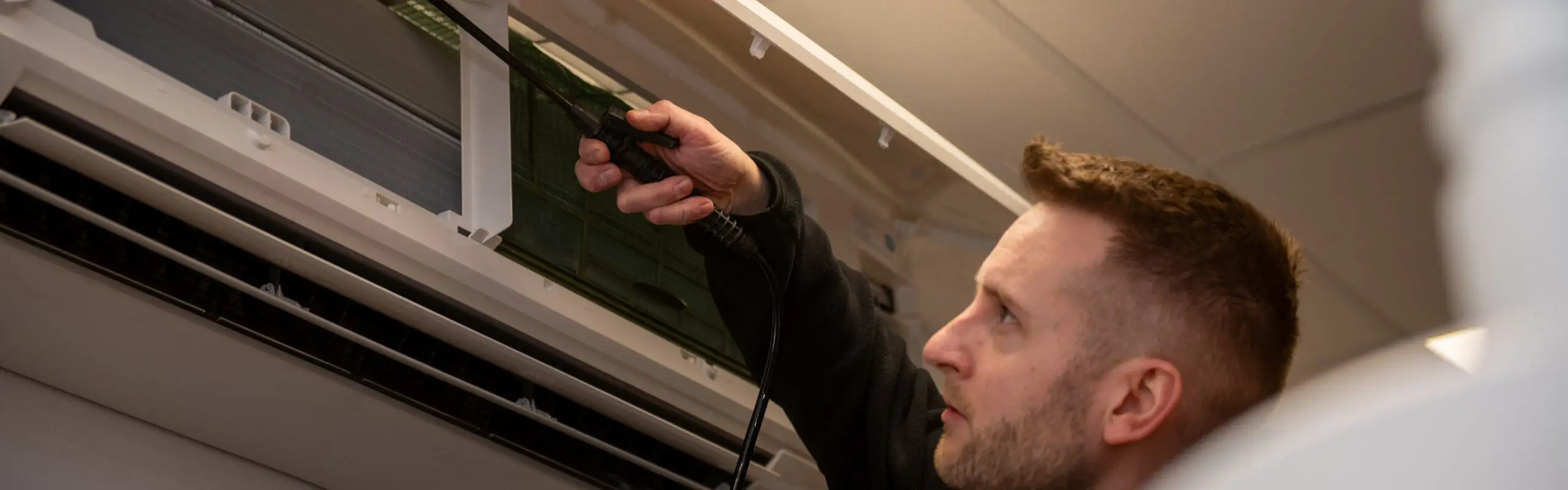
Next, inspect the thermistor. This small sensor measures the air temperature. If it is damaged or faulty, the AC may not work properly. Look for signs of wear or damage and replace the thermistor if needed.
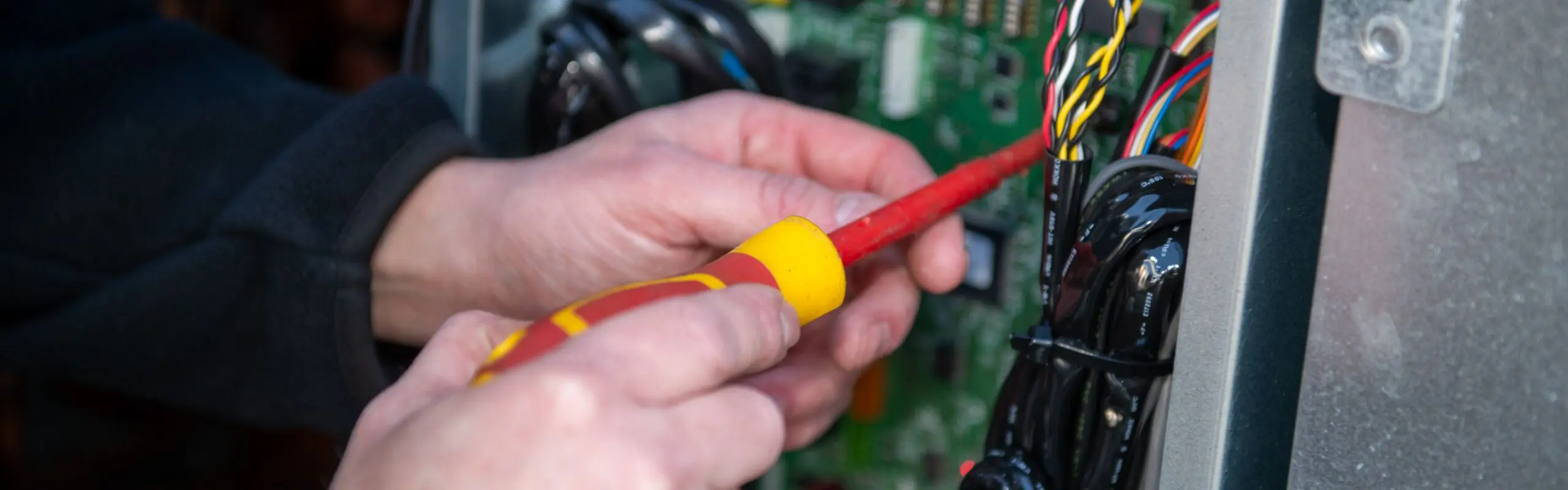
Lastly, examine all wiring connections. Loose or broken wires can cause the E1 error. Make sure wires are tight and connected well. Repair or replace any damaged wiring to restore normal function.
Quick Fix Steps
Resetting the unitcan clear the E1 error code quickly. Turn off the air conditioner and unplug it from the power source. Wait for a few minutes before plugging it back in and switching it on. This simple step often fixes minor glitches.
- Cleaning or replacing filtersimproves airflow and stops many errors.
- Dirty filters cause the unit to overheat or work poorly.
- Check filters every month and clean or replace them as needed.
Replacing faulty sensorsis necessary if the error keeps showing. Sensors tell the air conditioner when to cool or heat. A broken sensor sends wrong signals and causes E1 errors. Contact a technician to test and swap bad sensors for new ones.
When To Call A Technician
Persistent errorslike the E1 code showing up again and again mean the air conditioner needs expert help. Trying to fix it without proper tools can make things worse. A technician has the right skills to diagnose and fix deep problems fast.
Complex electrical issuesinvolve wiring or circuit board troubles. These problems are risky to handle alone. A trained technician uses special equipment to test and repair safely. This keeps the air conditioner working well and prevents damage.
Preventing E1 Errors
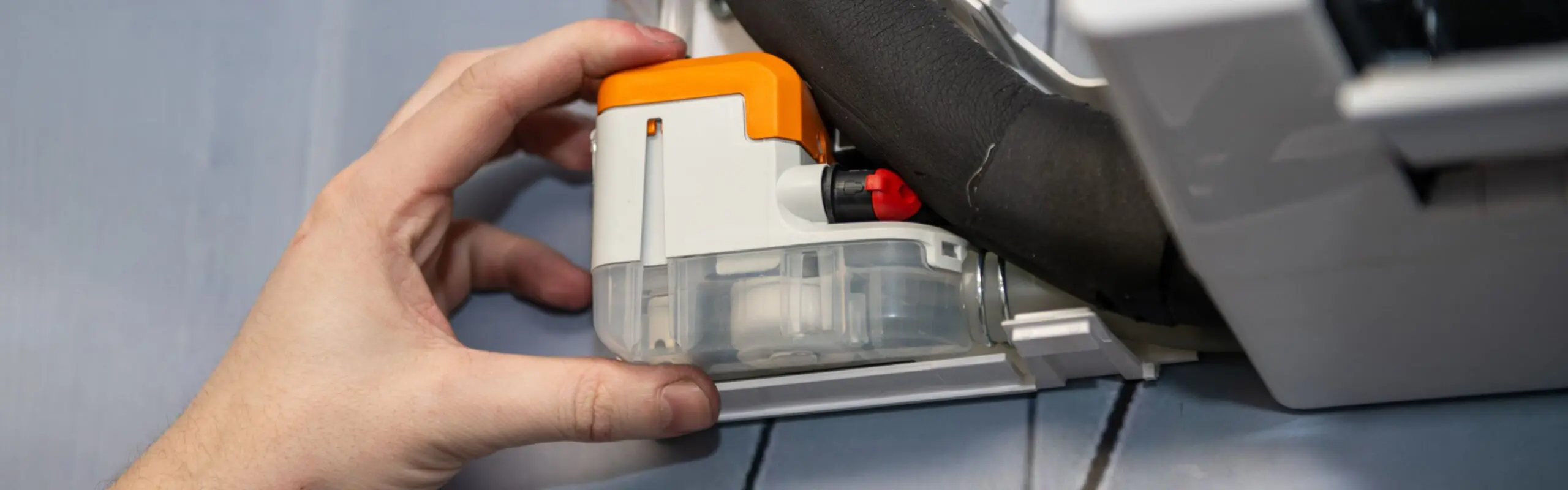
Regular maintenance helps keep air conditioners working well and stops E1 errors. Clean or replace air filters every month to prevent dust build-up. Check the outdoor unit for debris or leaves that block airflow. Make sure the drain pipe is clear to avoid water leaks. Schedule a professional check-up once a year to inspect electrical parts and refrigerant levels. This keeps the unit safe and efficient.
Proper use also lowers the chance of errors. Avoid turning the AC on and off many times in a short period. Set the temperature to a steady, comfortable level. Keep doors and windows closed while the AC runs to help it cool faster. Don’t block the air vents with furniture or curtains. These habits help the air conditioner work smoothly and reduce the chance of E1 errors.
Credit: ecotechyorkshire.co.uk
Credit: ecotechyorkshire.co.uk
Frequently Asked Questions
What Does E1 Error Mean On An Air Conditioner?
E1 error on an air conditioner usually indicates a temperature sensor fault. It means the unit’s sensor is malfunctioning or disconnected. This error stops normal operation to prevent damage. Checking or replacing the sensor often resolves this issue quickly.
How To Fix E1 Error On An Ac Unit?
To fix E1 error, first power off the AC. Check the temperature sensor wiring and connections. Clean or replace the sensor if damaged. Reset the unit and restart. If the error persists, contacting a professional technician is recommended.
Can E1 Error Cause Ac To Stop Cooling?
Yes, E1 error can stop the AC from cooling. The sensor fault triggers a safety shutdown. This prevents the system from overheating or freezing. Resolving the error restores normal cooling performance and protects the unit.
Is E1 Error Common In All Ac Brands?
E1 error is common but may vary by brand. Most air conditioners use similar error codes for sensor faults. However, always check your model’s manual for exact meanings. Understanding your unit’s codes helps in quick troubleshooting.
Conclusion
Understanding E1 on your air conditioner helps avoid confusion. It indicates an issue needing attention. Often, it means a sensor problem. Address it promptly for efficient cooling. Ignoring it could worsen the situation. Regular maintenance can prevent such errors. Check your manual for specific guidance.
Seek professional help if unsure. Your AC’s performance relies on quick response to errors. Stay informed to keep your home cool. Remember, a well-maintained AC is key to comfort. Always prioritize understanding those error codes. Enjoy a trouble-free cooling experience!