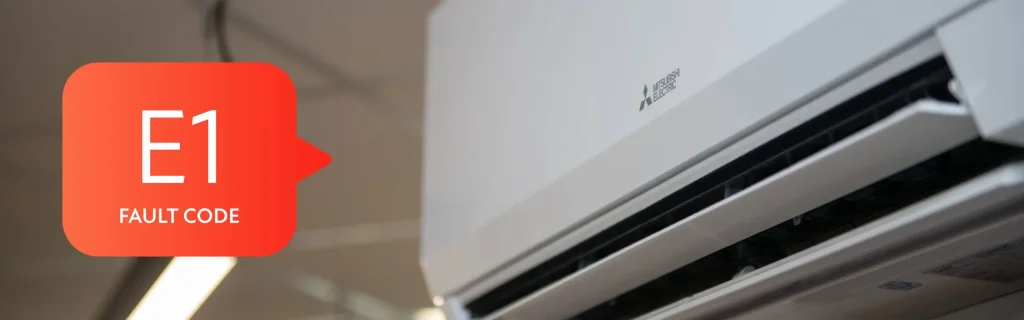
Have you ever glanced at your air conditioner and noticed the code “E1” flashing on the display? If so, you’re probably wondering what it means and whether it’s a problem you need to fix right away.
Understanding this simple code can save you from unnecessary worry and costly repairs. You’ll discover exactly what the E1 error means on your air conditioner and what steps you can take to get your cool air flowing again quickly. Keep reading to take control and keep your home comfortable without stress.
Credit: ecotechyorkshire.co.uk
E1 Error Code Basics
The E1 error code on an air conditioner shows a problem with the unit. It helps users and technicians know what needs fixing. This error usually relates to temperature or sensor issues.
Understanding the E1 error can save time and prevent bigger problems. It tells you that the air conditioner is not working properly and needs attention.
Common Causes
The E1 error code appears for several reasons. Most of these involve the sensor or wiring inside the air conditioner. Here are the main causes:
- Faulty temperature sensor
- Loose or damaged wiring
- Sensor connection problems
- Extreme outdoor temperatures affecting sensors
- Internal circuit board issues
Impact On Ac Performance
The E1 error affects how the air conditioner works. It stops the unit from cooling or heating properly. This can make the room uncomfortable.
| Effect | Description |
| Cooling Loss | AC may stop cooling or cool less effectively. |
| Heating Issue | Heating functions can fail or become inconsistent. |
| System Shutdown | Some units turn off automatically to avoid damage. |
| Increased Energy Use | Faults cause the AC to use more electricity. |

Credit: ecotechyorkshire.co.uk
Diagnosing The E1 Error
The E1 error code on an air conditioner shows a problem with the temperature sensor. This error stops the unit from working right.
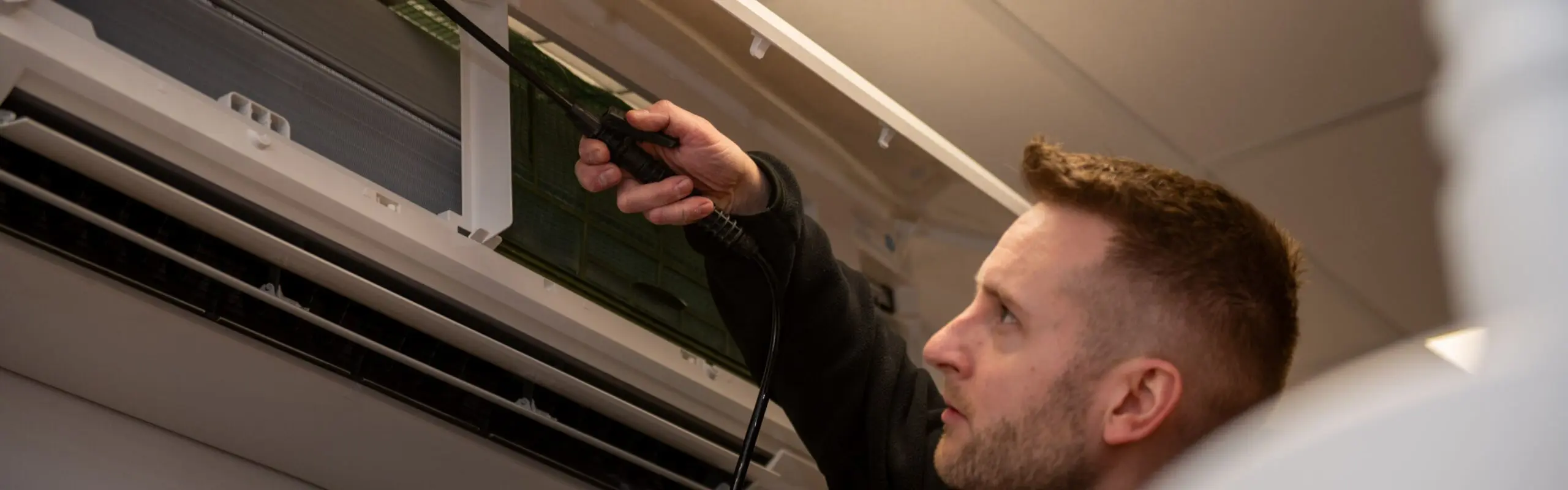
To fix this, you need to check the sensor and the wiring. This guide helps you find the cause of the E1 error.
Checking The Temperature Sensor
The temperature sensor tells the air conditioner the room’s temperature. If it fails, the E1 error appears. Follow these steps to check the sensor:
- Turn off the air conditioner and unplug it.
- Locate the sensor near the air handler or evaporator coil.
- Look for signs of damage or dirt on the sensor.
- Use a multimeter to test the sensor’s resistance.
- Compare the reading with the sensor’s specifications.
- Replace the sensor if the reading is out of range.
Inspecting Wiring And Connections
Loose or broken wires can cause the E1 error. Check all wiring and connections to ensure they are secure and intact.
| Check Point | What to Look For | Action |
| Sensor Wire | Broken or frayed wires | Repair or replace wiring |
| Connector | Loose or corroded pins | Clean and reconnect firmly |
| Control Board | Burn marks or damage | Inspect and replace if needed |
Quick Fixes For E1
The E1 error code on an air conditioner usually means there is a problem with the temperature sensor. This can stop the unit from working properly.
Many simple fixes can solve the E1 error. You can try resetting the unit, cleaning the sensor, or replacing parts if needed.
Resetting The Unit
Resetting the air conditioner can clear the E1 error. Turn off the unit and unplug it from the power source. Wait for about 5 minutes.
Plug the unit back in and turn it on. This simple reset may fix sensor issues and stop the E1 error code.
Cleaning The Sensor
The temperature sensor can get dirty or dusty. This can cause wrong readings and trigger the E1 error code. Locate the sensor inside the unit.
Use a soft cloth to gently clean the sensor. Avoid using water or chemicals. Dirt removal can help the sensor work correctly again.
- Turn off and unplug the unit before cleaning.
- Find the sensor near the evaporator coil.
- Wipe gently with a dry, soft cloth.
- Do not press or bend the sensor.
Replacing Faulty Parts
If resetting and cleaning do not fix the E1 code, the sensor might be broken. Faulty sensors need replacement to restore the unit’s function.
Contact a technician or follow your air conditioner manual to replace the sensor or other parts. Use only compatible parts for your model.
- Check the warranty before replacing parts.
- Use original or recommended replacement sensors.
- Test the unit after part replacement.
When To Call A Professional
The E1 error code on an air conditioner shows a problem with the unit. It can mean a sensor issue or a wiring fault. Some fixes are simple, but some need expert help.
Knowing when to call a professional can save time and avoid damage. If the problem is complex, an expert should check the AC.
Signs You Need Expert Help
If the E1 error does not clear after a reset, you need a pro. Other signs include strange noises or no cooling.
Experts can find hidden issues like sensor failure or wiring problems. Trying to fix these without skills can cause more damage.
- The error code stays after power cycling
- Air conditioner does not cool properly
- Unusual sounds come from the unit
- Water leaks or ice build-up appear
- Electrical smells or sparks occur
Preventing Future Errors
Regular maintenance helps stop error codes like E1. Clean filters and check sensors often to keep the AC running well.
Have a professional inspect your air conditioner yearly. They can spot small problems before they cause errors.
- Clean or replace air filters every 1-3 months
- Check and clean the outdoor unit regularly
- Schedule annual professional inspections
- Avoid DIY electrical repairs on your AC
- Keep the unit in a shaded, well-ventilated place
Tips To Avoid E1 Errors
The E1 error on an air conditioner shows a problem with the temperature sensor. It stops the unit from working right. You can avoid this error by keeping the unit clean and using it correctly.
Taking care of your air conditioner helps it last longer. It also keeps it running smoothly without errors like E1.
Regular Maintenance
Clean or replace the air filter every month. A dirty filter can cause the sensor to fail. Check the outdoor unit for dirt and debris. Clean it gently to avoid damage.
Inspect the temperature sensor wires. Make sure they are not loose or broken. Tighten or replace them if needed. Regular checks help catch problems early.
- Clean air filters monthly
- Clear dirt from the outdoor unit
- Check sensor wires for damage
- Schedule professional service yearly
Proper Usage Practices
Set the temperature to a comfortable level. Avoid extreme settings that make the unit work too hard. Turn off the air conditioner during storms to prevent electrical issues.
Do not block the air vents. Keep furniture and curtains away from the unit. Use the air conditioner as the manual says to avoid sensor errors.
- Use moderate temperature settings
- Turn off unit during bad weather
- Keep vents clear of obstructions
- Follow the user manual carefully

Credit: ecotechyorkshire.co.uk
Frequently Asked Questions
What Does E1 Error Mean On An Air Conditioner?
E1 error on an air conditioner indicates a sensor fault, usually with the indoor temperature sensor. It means the sensor is malfunctioning or disconnected, causing inaccurate temperature readings and affecting the unit’s performance.
How Can I Fix The E1 Error On My Ac?
To fix E1 error, first turn off the AC and unplug it. Check the indoor temperature sensor for damage or loose connections. If damaged, replace the sensor. If unsure, contact a professional technician for accurate diagnosis and repair.
Is E1 Error Dangerous For The Ac Unit?
E1 error is not dangerous but signals a sensor issue that can affect cooling efficiency. Ignoring it may cause improper temperature control and increased energy consumption. Prompt repair ensures optimal AC performance and prevents further damage.
Can I Reset The E1 Error Code On My Air Conditioner?
Yes, you can try resetting the E1 error by turning off the AC, unplugging it for a few minutes, and then restarting it. If the error persists, sensor repair or replacement is necessary to resolve the issue.
Conclusion
E1 on an air conditioner signals a common error. It usually means a problem with the temperature sensor. Fixing this helps the AC work better and stay cool. Ignoring the E1 code may cause more issues later. Checking the user manual or calling a technician is smart.
Knowing what E1 means saves time and stress. Keep your air conditioner running smoothly by acting fast. Simple care keeps your home comfortable all year round.