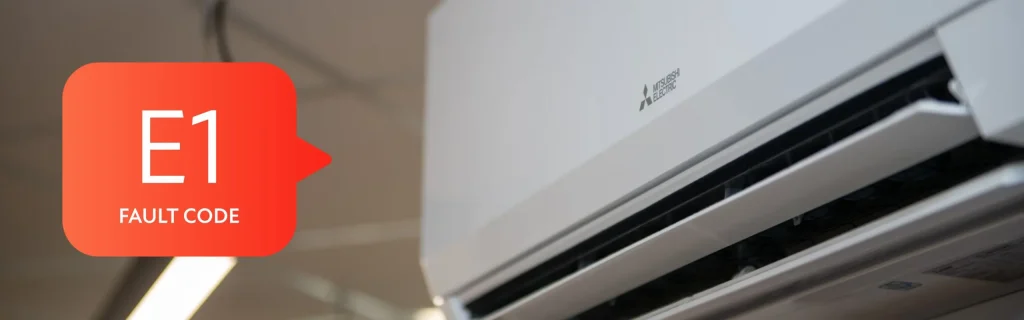
Have you ever glanced at your air conditioner and noticed the code “E1” flashing on the display? If you have, you might be wondering what it means and whether it signals a problem you need to fix right away.
Understanding this simple error code can save you from discomfort and costly repairs. You’ll discover exactly what the E1 error means, why it appears, and what steps you can take to get your air conditioner back to perfect cooling quickly.
Keep reading—your comfort depends on it.
Credit: ecotechyorkshire.co.uk
E1 Error Code Basics
E1 on an air conditioner means there is a problem with the indoor unit’s temperature sensor. This error helps identify a sensor fault or wiring issue. Fixing it usually involves checking or replacing the sensor to restore normal operation.
Common Causes
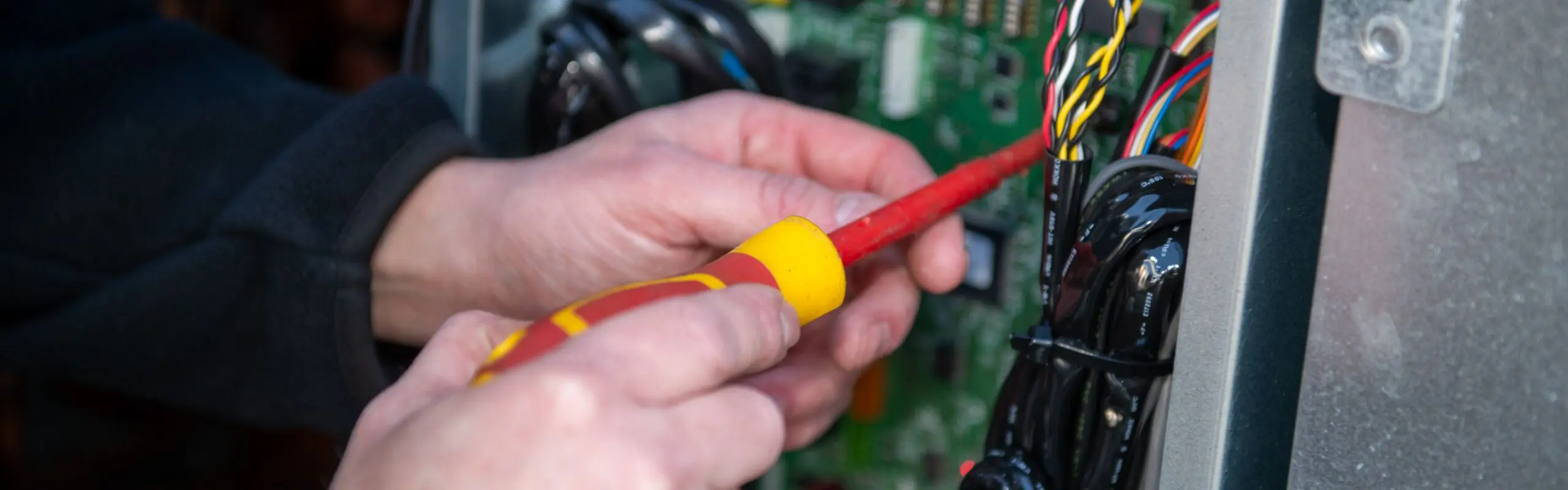
The E1 error codeon an air conditioner shows a problem. It often means the indoor unit sensoris not working right. This sensor checks the room temperature. Dirt or dust on the sensor can cause the error. Sometimes, the sensor wire may be loose or broken. This stops the sensor from sending correct signals. Another cause is a faulty control boardthat reads the sensor data.
Impacted Components
| Component | Role | Effect of E1 Error |
|---|---|---|
| Indoor Unit Sensor | Measures room temperature | Incorrect or no temperature reading |
| Sensor Wire | Connects sensor to control board | Disrupted signal, causing error |
| Control Board | Processes sensor data | May misread sensor, trigger E1 code |
Credit: ecotechyorkshire.co.uk
Diagnosing The E1 Error
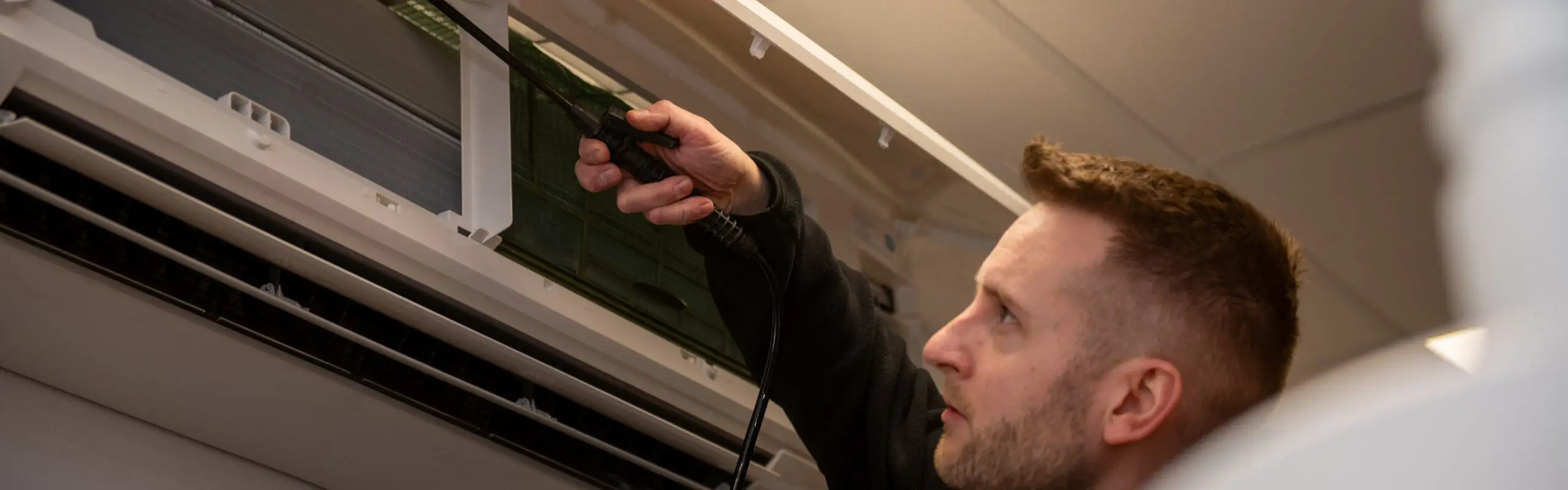
The E1 erroron an air conditioner often signals a problem with the temperature sensors. These sensors help the unit know the room temperature. Faulty sensors can send wrong signals, causing the error.
- Check if the sensors are clean and not damaged.
- Make sure the sensors are placed correctly inside the unit.
- Use a multimeter to test if the sensor works properly.
Inspecting the wiring and connectionsis also important. Loose or broken wires can cause the E1 code to appear.
- Look for any loose wires or connectors.
- Check for signs of wear or damage on cables.
- Tighten any loose connections carefully.
Diy Fixes For E1
Resetting the unitcan clear small errors causing the E1 code. Turn off the air conditioner and unplug it for a few minutes. Plug it back in and switch it on. This simple step often fixes the problem.
Cleaning sensorsis crucial as dirt or dust can cause false readings. Locate the sensors inside the unit. Use a soft cloth or brush to clean them gently. Keeping sensors clean helps the air conditioner work correctly.
Replacing faulty partsmight be necessary if the error persists. Common parts to check include the temperature sensor and control board. Consult the manual or a technician to find and replace damaged parts safely.
Credit: ecotechyorkshire.co.uk
When To Call A Technician
Some air conditioner issues need expert help. Complex repairs often involve parts inside the unit. These fixes require special tools and knowledge.
Trying to fix complicated problems alone can cause more damage. It might also void the warranty on the air conditioner.
- Electrical faults
- Refrigerant leaks
- Compressor failures
- Control board issues
Safety is very important when dealing with air conditioners. High voltage and chemicals inside can be dangerous.
Calling a technician helps avoid injury and further damage. They have the right training and equipment to work safely.
Preventing Future E1 Errors
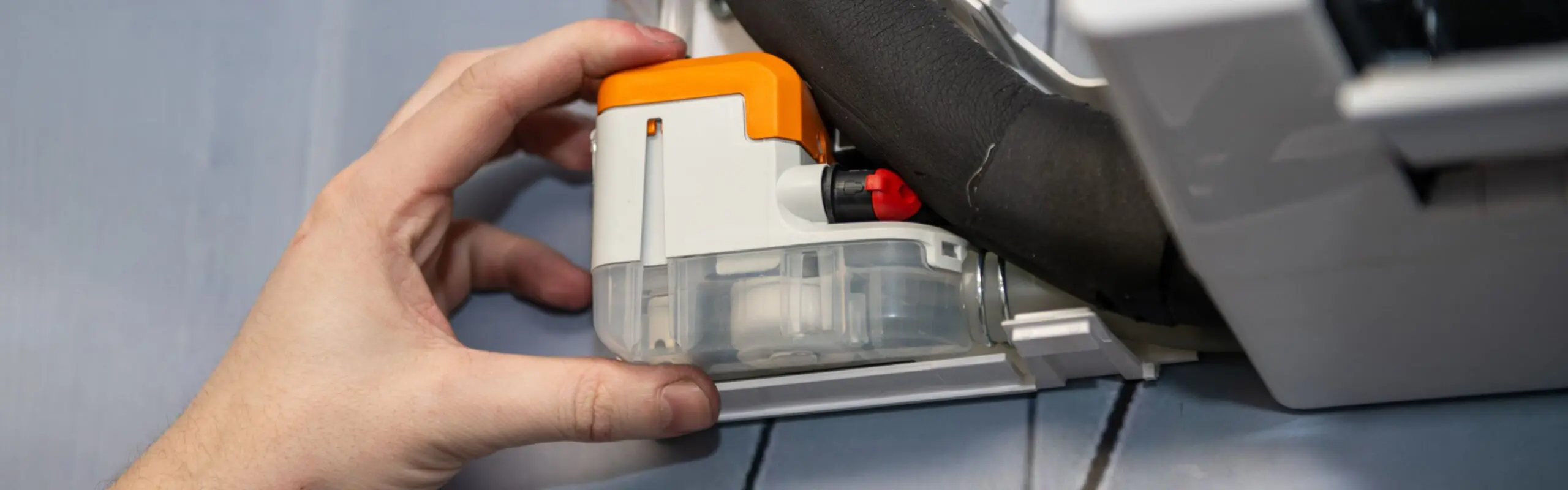
Regular maintenancehelps avoid E1 errors on air conditioners. Clean or replace filters every 1-2 months. Dirt blocks airflow and causes issues. Check the outdoor unit for leaves, dust, or debris. Keep it clear to maintain good air circulation. Inspect the drain pipe to prevent water buildup and leaks. Schedule a professional checkup once a year to examine electrical parts and refrigerant levels.
Good usage habits also prevent E1 errors. Avoid turning the air conditioner on and off quickly. Let it run for some time before switching off. Keep windows and doors closed while running the AC. This reduces strain on the system. Don’t set the temperature too low; a mild setting works better. Using a surge protector can protect the unit from power spikes.
Frequently Asked Questions
What Does E1 Error Mean On An Air Conditioner?
E1 error indicates a communication fault between the indoor and outdoor units. It usually means a wiring issue or a malfunction in the control board.
How Can I Fix E1 Error On My Ac?
Check the wiring connections between indoor and outdoor units first. If wiring is fine, reset the system or call a technician for control board inspection.
Is E1 Error Dangerous For The Air Conditioner?
E1 error itself is not dangerous but signals a communication problem. Ignoring it can cause the AC to stop working or lead to further damage.
Can I Reset The E1 Error Code Myself?
Yes, you can try turning off the AC, unplugging it for a few minutes, and then powering it back on to reset the error.
Conclusion
The E1 error on an air conditioner means a problem with the temperature sensor. This code helps you know what to fix. Checking the sensor and cleaning the unit can often solve the issue. If the error stays, calling a technician is best.
Understanding this code saves time and money. It keeps your air conditioner working well. Remember, small problems show early with such codes. Stay aware and act quickly to avoid bigger repairs. Your comfort depends on a well-maintained air conditioner.