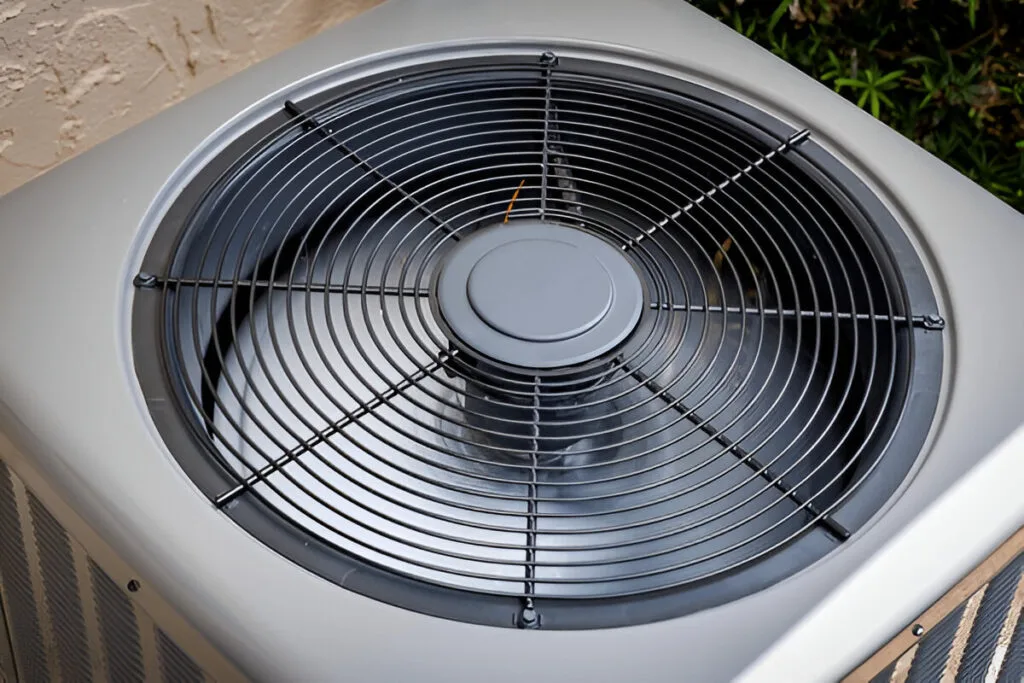
Have you ever wondered what the fan inside your air conditioner actually does? You might think it’s just blowing air, but there’s more to it than that.
Understanding this simple part can help you get the most from your AC, save energy, and stay cooler during hot days. Keep reading to discover how the fan works and why it’s so important for your comfort and your wallet.

Credit: www.yahoo.com
Role Of Fan In Ac
The fan is an important part of an air conditioner. It helps move air across the cooling coils.
By moving air, the fan helps cool the room faster and keeps the air fresh.
Fan Types In Air Conditioners
There are mainly two types of fans in air conditioners: axial fans and blower fans. Each type has a different way of moving air.
- Axial Fans:These fans have blades that spin around an axis. They push air straight through the AC unit.
- Blower Fans:These use a drum shape to pull air in and push it out at a right angle. They move air with more pressure.
How Fan Moves Air
The fan spins its blades fast to push air over the cooling coils. This air absorbs heat from the coils.
After air passes over the coils, it becomes cool and flows into the room. The fan keeps the air moving to spread the coolness.
Fan’s Impact On Cooling Efficiency
The fan affects how quickly the air conditioner cools a room. A strong fan moves more air and cools faster.
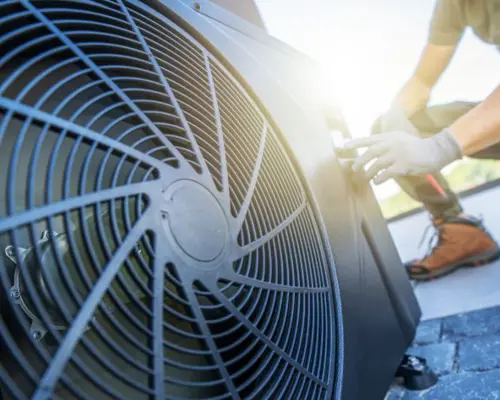
If the fan is weak or dirty, air flow slows down. This makes the AC work harder and use more energy.
- Good airflow improves cooling speed
- Strong fans reduce energy use
- Clean fans keep the AC healthy
Credit: www.ars.com
Fan And Heat Exchange
The fan in an air conditioner helps move air over key components. It plays a big role in heat exchange. This keeps the air inside cool and comfortable.
Understanding the fan’s job helps explain how air conditioners work. It moves heat from one place to another using the evaporator and condenser.
Fan’s Role In Evaporator Function
The evaporator cools the air inside a room. The fan blows warm indoor air over the cold evaporator coil. This cools the air before it is sent back into the room.
- The fan draws warm air from the room.
- Air passes over the evaporator coil.
- Heat from the air moves to the refrigerant inside the coil.
- The fan pushes cooled air back into the room.
- This process lowers the room temperature.
Fan’s Role In Condenser Operation
The condenser releases heat outside the building. The fan moves outdoor air through the condenser coils. This helps cool the hot refrigerant gas so it can change back to liquid.
| Step | Fan Action | Effect on Heat Exchange |
| 1 | Fan pulls outside air through condenser coils | Removes heat from refrigerant |
| 2 | Refrigerant cools and condenses into liquid | Prepares refrigerant to absorb heat again inside |
| 3 | Fan pushes warm air away outside | Keeps system efficient and cool |
Fan Speed And Cooling
The fan in an air conditioner moves air across the cooling coils. This helps cool the room faster. Fan speed controls how fast the fan spins.
Choosing the right fan speed can affect how cool and comfortable your space feels. It also impacts energy use and noise levels.
Adjusting Fan Speed Settings
Most air conditioners offer multiple fan speed settings. These usually include low, medium, and high options.
- Low speed moves less air but uses less energy.
- Medium speed balances cooling and energy use.
- High speed cools quickly but uses more power.
Effects On Energy Consumption
Fan speed affects how much electricity your air conditioner uses. Higher speeds increase power consumption.
| Fan Speed | Energy Use | Cooling Speed |
| Low | Low | Slow |
| Medium | Medium | Moderate |
| High | High | Fast |
Balancing Comfort And Efficiency
Finding the right fan speed helps keep you comfortable without wasting energy. You may want to change speeds during the day.
- Use high speed to cool quickly in hot weather.
- Switch to low speed to maintain temperature and save power.
- Try medium speed for a good balance anytime.
Fan Maintenance Tips
The fan in an air conditioner helps move cool air around your room. Keeping the fan in good shape helps your AC work well and last longer.
Regular care of the fan stops problems and keeps the air fresh. Here are some tips to maintain your AC fan.
Cleaning Fan Blades
Dust and dirt on fan blades slow down the fan and make noise. Clean the blades every few months for better air flow.
- Turn off and unplug the air conditioner before cleaning.
- Use a soft cloth or brush to remove dust from blades.
- For sticky dirt, use a mild soap solution and wipe carefully.
- Dry the blades fully before turning the unit back on.
Checking Fan Motor Health
The fan motor makes the blades spin. It needs to run smoothly without strange sounds or smells. Check the motor often for signs of wear.
| Signs of Motor Problems | What to Do |
| Loud or unusual noises | Turn off AC and call a technician |
| Burning smell | Unplug unit immediately and inspect motor |
| Fan not spinning or slow | Check power and motor connections |
Avoiding Common Fan Issues
Problems like fan wobble or jammed blades can cause damage. Avoid these issues with simple habits.
- Keep the area around the AC clean and free from obstacles.
- Do not force the fan blades to move if they are stuck.
- Have your AC serviced yearly by a professional.
- Replace worn or broken parts quickly to prevent bigger problems.
Fan’s Role In Air Quality
The fan in an air conditioner helps keep air moving inside your room. It plays a key part in improving air quality.
By moving air, the fan helps spread clean air and remove stale air. This makes your space feel fresher and healthier.
Air Circulation And Filtration
The fan pushes air through the air conditioner’s filters. These filters catch dust, pollen, and dirt particles.
Good air circulation stops air from becoming stagnant. It also spreads filtered air evenly in the room.
- Fan moves air through filters to clean it
- Filters trap harmful particles and dust
- Circulation helps spread clean air everywhere
- Prevents buildup of stale or polluted air
Reducing Humidity With Fan
The fan helps reduce humidity by moving moist air over cold coils. This cools the air and removes water.
Lower humidity makes the room feel more comfortable. It also stops mold and mildew growth.
- Fan moves humid air to cool coils
- Water drops out as air cools
- Dry air spreads in the room
- Reduces chances of mold and mildew

Credit: onewayairfl.com
Fan Vs Compressor: Working Together
The fan and compressor are two key parts of an air conditioner. They work together to cool your home efficiently. Each part has a different job but they depend on each other.
The compressor moves refrigerant through the system. The fan helps by moving air over important parts. This teamwork makes the air conditioner work well and keep rooms cool.
Coordinated Cooling Process
The compressor pumps refrigerant to absorb heat from inside the house. The fan blows air over the coils to carry heat away. This keeps the refrigerant cool and ready to absorb more heat.
Both parts run in sync to keep the cycle steady. The compressor compresses gas, and the fan moves air. This process lowers the indoor temperature effectively.
Fan’s Support To Compressor Efficiency
The fan helps the compressor by keeping coils cool. If the coils get too hot, the compressor works harder. The fan stops this by moving air to cool the coils.
Good airflow from the fan means less strain on the compressor. This saves energy and helps the air conditioner last longer.
Frequently Asked Questions
What Role Does The Fan Play In An Air Conditioner?
The fan circulates air over the evaporator coil, cooling the air inside the room. It also helps distribute cool air evenly, improving comfort and efficiency.
How Does The Fan Affect Air Conditioner Efficiency?
A well-functioning fan ensures proper airflow, which is crucial for efficient heat exchange. Poor airflow reduces cooling performance and increases energy consumption.
Can The Fan Run Without Cooling In An Air Conditioner?
Yes, the fan can operate independently to circulate air without cooling. This helps improve ventilation and maintain airflow in the room.
Why Is The Air Conditioner Fan Noisy Sometimes?
Fan noise usually results from dust buildup, loose parts, or motor issues. Regular cleaning and maintenance can reduce noise and ensure smooth operation.
Conclusion
Understanding the fan’s role in an air conditioner helps maintain comfort. The fan circulates air, ensuring even cooling in your space. It aids in energy efficiency by distributing cool air effectively. Proper fan usage can extend your AC’s lifespan. Regular maintenance keeps it running smoothly.
This not only saves money but also enhances air quality. Choosing the right fan setting is crucial for optimal performance. With this knowledge, you can enjoy a more comfortable home environment. Stay cool and make the most out of your air conditioner.