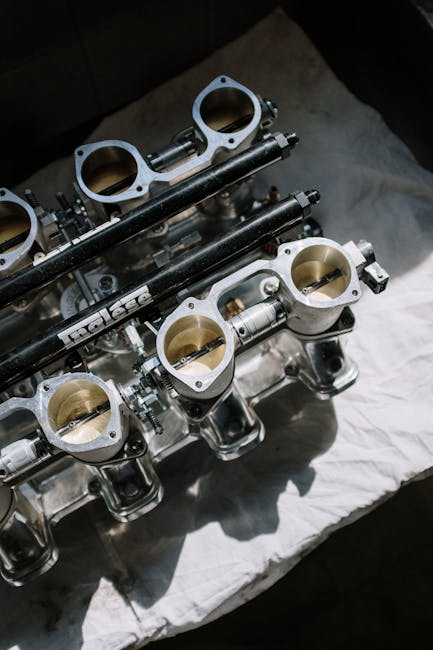
Have you ever wondered why your car’s performance sometimes feels off, even after routine maintenance? The answer might lie hidden deep inside your fuel system.
Fuel system cleaner is a simple product that can make a big difference in how smoothly your engine runs. But what exactly does it do, and why should you care? You’ll discover how fuel system cleaners work, the benefits they bring to your vehicle, and why adding this step to your maintenance routine could save you money and frustration down the road.
Keep reading to unlock the secret to a cleaner, more efficient engine.
How Fuel System Cleaner Works
Fuel system cleaner helps keep your car’s engine running smoothly. It cleans parts inside the fuel system to improve performance.
These cleaners remove dirt and buildup that can slow your engine and waste fuel.
Removing Deposits
Fuel system cleaners break down deposits that form inside fuel injectors and valves. These deposits come from old fuel and dirt.
Removing these deposits helps the fuel system parts work better and last longer.
Improving Fuel Flow
When deposits clog the fuel system, fuel flow slows down. Cleaners clear these blockages for smooth fuel flow.
Better fuel flow means the engine gets the right amount of fuel at the right time.
- Clears fuel injectors
- Unclogs fuel lines
- Improves fuel pump performance
Enhancing Combustion
Clean fuel mixes better with air in the engine. This helps the engine burn fuel more fully.
Better combustion leads to more power and less pollution.

Credit: www.youtube.com
Signs Your Engine Needs Cleaner
Your engine can show clear signs when it needs a fuel system cleaner. Dirt and deposits build up inside fuel injectors and combustion chambers. This buildup affects engine performance and fuel use.
Knowing the signs helps you act early. Using a fuel system cleaner can restore engine smoothness and efficiency. Watch for these common problems.
Rough Idle
A rough idle means your engine shakes or runs unevenly when stopped. Deposits in the fuel system block smooth fuel flow. This causes the engine to misfire or stall at low speeds.
Cleaning the fuel system removes these deposits. It helps your engine idle smoothly again without shaking.
Reduced Fuel Efficiency
If your car uses more fuel than usual, dirt may be causing trouble. Clogged fuel injectors spray uneven fuel amounts. This makes the engine burn fuel less efficiently.
- Lower miles per gallon (MPG)
- More frequent fuel stops
- Higher fuel costs
Fuel system cleaner helps clear blockages. This restores normal fuel spray patterns and improves gas mileage.
Engine Hesitation
| Symptom | Cause |
| Engine stumbles when you press the gas | Fuel injector deposits block fuel flow |
| Delay in acceleration response | Dirty fuel system parts slow fuel delivery |
| Loss of engine power on hills | Incomplete fuel combustion due to buildup |
Using a fuel system cleaner removes these deposits. It helps your engine respond quickly and run stronger.
Types Of Fuel System Cleaners
Fuel system cleaners help keep engines running smoothly. They remove dirt and deposits from fuel parts. Different types work for different engines and needs.
This guide explains three main types of fuel system cleaners. You will learn about additives for gasoline engines, diesel fuel cleaners, and professional fuel injection services.
Additives For Gasoline Engines
Gasoline engine additives clean the fuel injectors and intake valves. They improve fuel flow and reduce engine knocking. These additives are easy to use and can be added to the fuel tank.
- Remove carbon deposits
- Prevent fuel system corrosion
- Improve engine performance
- Help reduce emissions
Diesel Fuel Cleaners
Diesel fuel cleaners target diesel engines’ unique needs. They clean injectors and reduce soot buildup. These cleaners also improve fuel combustion and engine power.
| Feature | Benefit |
| Injector cleaning | Better fuel spray and fuel use |
| Soot removal | Less engine smoke and deposits |
| Fuel stability | Prevents fuel breakdown over time |
| Water removal | Protects engine from corrosion |
Professional Fuel Injection Services
Professional fuel injection services clean the entire fuel system deeply. Mechanics use special equipment to remove tough deposits. This service restores engine efficiency and reduces fuel waste.
- Complete injector cleaning
- System inspection and testing
- Replacement of damaged parts
- Improved fuel economy and power
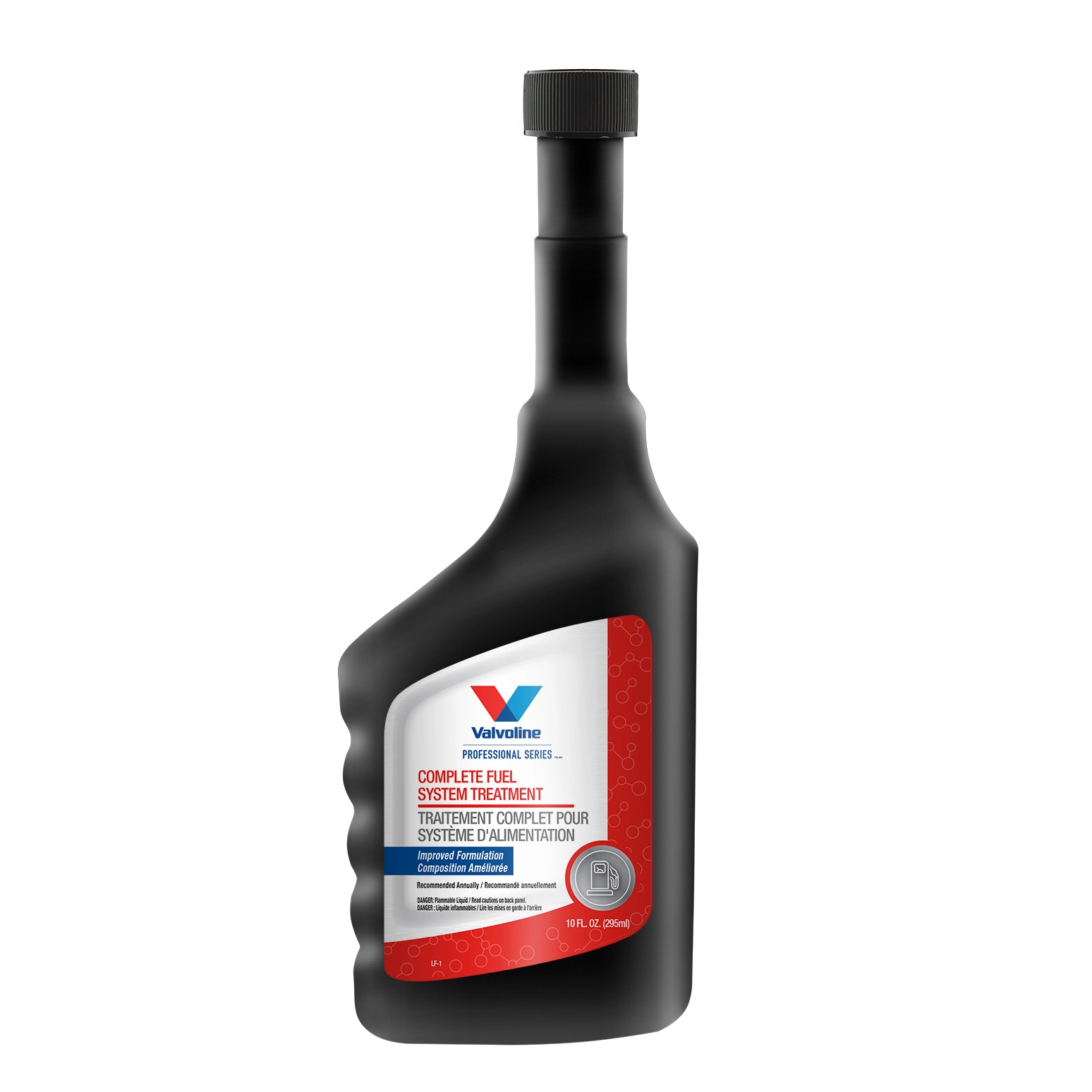
Credit: www.valvolineglobal.com
Benefits Of Using Fuel System Cleaner
Fuel system cleaner helps keep your car’s engine clean. It removes dirt and deposits from fuel injectors and valves.
Using this cleaner regularly can improve how your engine runs and lasts longer.
Boosting Engine Performance
Fuel system cleaner clears clogged parts in the fuel system. This helps your engine get fuel more smoothly.
- Improves fuel spray pattern
- Restores smooth engine idling
- Reduces engine knocking
- Increases power and acceleration
Lowering Emissions
Cleaner fuel systems burn fuel better. This lowers harmful gases released from the exhaust.
| Emission Type | Effect of Cleaner |
| Carbon monoxide (CO) | Reduced |
| Hydrocarbons (HC) | Lowered |
| Nitrogen oxides (NOx) | Decreased |
Extending Engine Life
Using fuel system cleaner stops buildup that harms engine parts. This prevents damage and wear over time.
Key ways fuel system cleaner extends engine life:
- Protects fuel injectors from clogging
- Prevents corrosion inside fuel lines
- Maintains proper fuel flow and pressure
- Reduces engine overheating risk
How To Use Fuel System Cleaner Safely
Fuel system cleaners help remove deposits in your vehicle’s fuel system. Using them safely ensures your engine runs well without damage.
Always follow safety steps to protect yourself and your car when applying these products.
Choosing The Right Product
Pick a fuel system cleaner that matches your car’s engine type and fuel. Check labels for compatibility with gasoline or diesel engines.
- Read product labels carefully
- Pick cleaners approved by car makers
- Avoid products with harsh chemicals
- Choose brands with good reviews
Following Instructions
Use the cleaner exactly as the instructions say. Adding too much or too little can harm the engine or cause poor results.
| Instruction | Reason |
|---|---|
| Use the recommended amount | Prevents engine damage |
| Add cleaner to a full tank | Ensures proper mixing |
| Run engine after adding | Helps cleaner circulate |
| Wear gloves and avoid inhaling | Protects your skin and lungs |
Frequency Of Use
Using fuel system cleaner too often can cause harm. Use it only as often as the product or your car’s manual suggests.
- Check your car’s manual for advice
- Use cleaner every 3,000 to 5,000 miles
- Use less if you drive short distances
- Stop use if you notice engine problems
Common Myths About Fuel System Cleaners
Many drivers wonder if fuel system cleaners really work as they claim. Some ideas about these products are not true. Understanding the facts can help you make better choices.
This article looks at common myths about fuel system cleaners. We focus on three main topics that often cause confusion.
Instant Results Expectations
People often expect fuel system cleaners to fix engine problems right away. This is not realistic. Cleaning the fuel system takes time.
- Cleaners remove build-up slowly over several uses.
- Immediate changes in performance are rare.
- Regular use keeps the system cleaner over time.
Damage To Engine Components
Some believe fuel system cleaners harm the engine. Most modern cleaners are safe when used as directed. Damage usually comes from misuse or poor quality products.
| Myth | Fact |
| Cleaners corrode engine parts | Safe formulas protect engine components |
| They cause fuel system leaks | Proper use does not cause leaks |
| They void vehicle warranty | Most manufacturers approve of cleaners |
Necessity For New Vehicles
Many think new cars do not need fuel system cleaners. While new vehicles are cleaner inside, deposits can still build up over time. Cleaners can help maintain engine health.
Here are reasons to consider using fuel system cleaners in new vehicles:
- Keep fuel injectors clean for better fuel flow.
- Prevent buildup before it affects performance.
- Maintain fuel efficiency and reduce emissions.

Credit: www.amazon.ca
Frequently Asked Questions
What Is A Fuel System Cleaner?
A fuel system cleaner is a chemical additive for your vehicle’s fuel. It helps remove deposits from fuel injectors, intake valves, and combustion chambers. This leads to improved fuel efficiency and engine performance. Regular use can prevent clogs and reduce emissions, ensuring your engine runs smoothly.
How Often Should I Use Fuel System Cleaner?
Use a fuel system cleaner every 3,000 to 5,000 miles. This frequency ensures optimal engine performance and efficiency. Following manufacturer recommendations is crucial for best results. Regular use prevents deposit buildup and maintains fuel system health. Always check your vehicle’s manual for specific guidelines.
Does Fuel System Cleaner Improve Gas Mileage?
Yes, a fuel system cleaner can improve gas mileage. By removing deposits, it optimizes fuel combustion and efficiency. Cleaner systems ensure smoother operation and better fuel economy. Regular use can lead to noticeable improvements in mileage. However, results may vary based on driving habits and vehicle condition.
Can Fuel System Cleaner Fix Rough Idling?
Fuel system cleaner can help fix rough idling by cleaning clogged injectors and valves. Improved fuel flow leads to smoother engine operation. While it can resolve minor issues, severe problems may require professional inspection. Regular maintenance and cleaner use can prevent future idling issues.
Conclusion
Fuel system cleaner helps keep your engine running smoothly. It removes dirt and buildup from fuel injectors and valves. This cleaning improves fuel flow and engine performance. Your car may use less fuel and produce fewer emissions. Regular use can prevent costly repairs later on.
It’s a simple way to protect your vehicle. Remember to follow the product instructions carefully. Clean fuel systems mean better driving and longer engine life. Give your car the care it needs with fuel system cleaner.