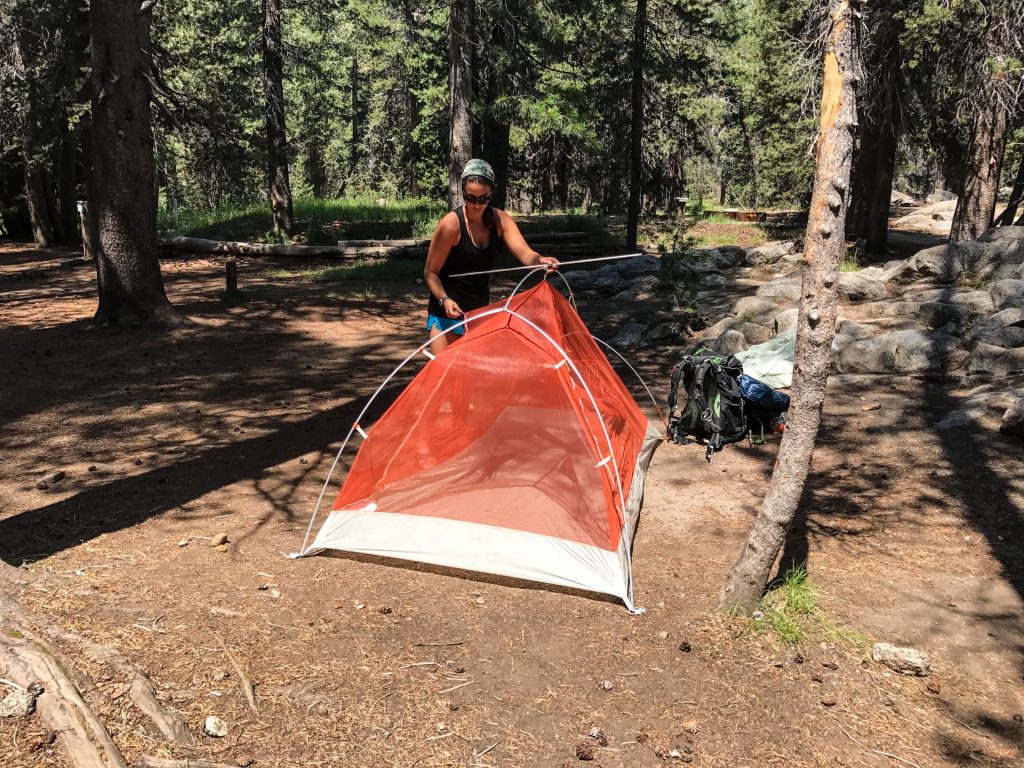
Have you ever wondered what it really means to pitch a tent? Whether you’re planning your first camping trip or just curious about outdoor lingo, understanding this simple phrase can make your adventure smoother and more enjoyable.
Imagine setting up your own cozy shelter in the wild, feeling confident and ready for whatever the night brings. You’ll discover exactly what pitching a tent involves, why it’s important, and some easy tips to get it right every time.
Keep reading, and you’ll be ready to turn any spot into your perfect home away from home.

Credit: valleyandpeak.co.uk
Choosing The Right Campsite
Picking the best spot to pitch your tent can make your camping trip safe and fun. It is important to find a place that fits your needs and keeps you comfortable.
Think about the ground, nearby dangers, and where you get water before setting up your tent. These factors help you enjoy your outdoor adventure.
Flat And Dry Ground
Choose a flat area to keep your tent steady. Dry ground stops water from soaking your tent and sleeping bag. Avoid spots with rocks or roots that can hurt your sleep or damage your tent floor.
- Look for even ground without slopes.
- Pick a dry place away from puddles or mud.
- Clear sharp objects like sticks or stones.
- Make sure the soil is firm for tent stakes.
Away From Hazards
Set up your tent far from risks like falling branches or flooding. Check for dead trees or loose rocks above your site. Avoid low spots that fill with water after rain.
| Hazard | What to Check | How to Avoid |
| Falling Branches | Look for dead limbs | Pick open areas away from tall trees |
| Flooding | Find low or flat spots | Choose higher ground |
| Wildlife Paths | Watch for animal tracks | Camp away from trails |
Access To Water And Amenities
Having water nearby makes camping easier. You can drink, cook, and clean. Also, consider how close restrooms or trash bins are to your tent.
- Camp near clean water sources but not too close (at least 200 feet away).
- Check if there are toilets or waste bins nearby.
- Bring a container to carry water if needed.
- Respect the environment by keeping your site clean.

Credit: www.terra-nova.co.uk
Selecting Your Tent
Choosing the right tent is important for a good camping experience. Consider different factors to ensure comfort and safety.
From the type of tent to its size and weather suitability, each choice affects your adventure.
Types Of Tents
There are many types of tents, each made for specific needs. Some are light and easy to carry, while others are more spacious.
- Dome Tents: Easy to set up, ideal for beginners.
- Cabin Tents: Provide more space, great for families.
- Backpacking Tents: Lightweight, perfect for hikers.
Size And Capacity
The size of your tent should match the number of people using it. Always consider extra space for gear and comfort.
| Number of People | Tent Size Recommendation |
| 1-2 | 2-person tent |
| 3-4 | 4-person tent |
| 5-6 | 6-person tent |
Weather Considerations
Weather conditions play a big role in tent selection. Some tents are better for cold climates, while others are suited for warm weather.
Tip: Always check the tent’s season rating before your trip. A 3-season tent is good for spring, summer, and fall, but not for winter.
Essential Gear For Pitching
Pitching a tent means setting it up to create a safe shelter. You need the right gear to do it well.
Using the proper tools helps make your camping experience easier and more comfortable.
Tent Poles And Stakes
Tent poles hold the tent up and give it shape. They are usually made of aluminum or fiberglass.
Stakes secure the tent to the ground. They keep it from moving in the wind.
- Tent poles come in sections that connect for easy transport.
- Stakes should be strong and fit the ground type.
- Use extra stakes for strong winds or soft ground.
Groundsheet And Footprint
A groundsheet goes under your tent to protect its floor. It stops damage from rocks and moisture.
A footprint is a custom groundsheet made to fit your tent. It offers better protection and durability.
- Choose a groundsheet slightly smaller than your tent floor.
- Footprints help keep the tent clean and dry.
- Both reduce wear and tear on your tent’s bottom.
Mallet Or Hammer
A mallet or hammer helps you drive stakes into the ground. This tool makes staking easier and safer.
Use a rubber mallet to avoid damaging stakes or ground surface. A metal hammer works well on hard ground.
- Choose a tool with a comfortable handle for better grip.
- Bring a mallet if camping on soft soil or grass.
- Use a hammer on rocky or compact ground.

Credit: www.advnture.com
Step-by-step Tent Setup
Pitching a tent means setting it up so you can sleep and rest inside. It takes some simple steps to get your tent ready.
Follow this guide to put your tent together safely and quickly. Each part plays a role in keeping your shelter strong.
Laying The Groundsheet
Start by choosing a flat, clear area. Remove rocks and sticks that could damage the tent floor.
Spread the groundsheet evenly on the ground. It protects your tent from moisture and dirt.
Assembling Poles
Take the tent poles out of their bag. Connect each section until you have full poles.
- Lay poles flat on the ground.
- Join pole sections by sliding them together.
- Check that each pole is straight and locked.
Securing The Tent Body
Place the tent body over the groundsheet. Align corners with the groundsheet edges.
| Action | Purpose |
|---|---|
| Insert poles into sleeves or clips | Give the tent shape and strength |
| Raise the tent by lifting poles | Set the tent upright |
| Attach rainfly if available | Protect from rain and wind |
Staking And Guy Lines
Drive stakes into the ground at tent corners. This holds the tent firmly in place.
- Tighten guy lines by pulling them away from the tent.
- Attach guy lines to stakes for extra support.
- Check all stakes and lines are secure before use.
Tips For A Stable Setup
Pitching a tent is more than just placing it on the ground. A stable setup keeps you safe and comfortable. Small details make a big difference when setting up your tent.
Good tension and secure stakes help your tent resist wind and rain. Use these tips to make your tent stand strong.
Proper Stake Angles
Stakes hold your tent firmly in place. Drive them in at the right angle for best grip. Aim for about 45 degrees, pointing away from the tent.
- Push stakes into firm soil, not loose dirt or sand.
- Angle stakes away from the tent to resist pull.
- Use a hammer or rock to push stakes fully into the ground.
- Check stakes regularly to keep them tight.
Tensioning Guy Lines
Guy lines add extra support to your tent. Tight lines keep the tent fabric smooth and stop it from flapping. Adjust lines evenly on all sides.
| Tip | Reason |
| Tighten lines after staking | Keeps tent stable and windproof |
| Use tensioners or knots | Allows easy adjustment and keeps lines tight |
| Attach lines to strong points | Prevents tearing or damage to tent fabric |
| Keep lines visible | Prevents tripping hazards |
Avoiding Common Mistakes
Many tents fail because of simple errors. Avoid these to ensure your setup lasts through the night.
- Don’t skip clearing rocks and sticks under the tent.
- Don’t stake lines too loosely or too tight.
- Don’t ignore weather changes and adjust setup accordingly.
- Don’t forget to check all zippers and vents before sleeping.
Maintaining Your Tent
Keeping your tent in good shape makes camping easier and safer. Proper care helps the tent last many seasons.
Here are key tips for cleaning, storing, and fixing your tent to keep it ready for your next trip.
Cleaning And Drying
Always clean your tent after camping. Dirt and stains can damage the fabric if left too long. Use a soft brush and mild soap with water. Avoid harsh chemicals or machine washing.
Dry your tent completely before packing. Damp tents can develop mold or mildew. Set it up in a shaded, breezy area or hang it until fully dry.
Storage Tips
Store your tent in a cool, dry place. Avoid leaving it in direct sunlight or damp spots. Use a large storage bag instead of the small stuff sack to keep the fabric loose.
- Keep the tent loosely folded to avoid creases
- Do not store in plastic bags that trap moisture
- Check the tent occasionally for signs of mold or bugs
- Air it out before long-term storage
Repairing Damage
Tents can tear or get holes from rough surfaces or sharp objects. Fixing small damage quickly prevents bigger problems later.
| Type of Damage | Repair Method | Materials Needed |
| Small Tear | Use tent repair tape | Tape, scissors |
| Hole in Fabric | Patch with fabric repair kit | Patch, adhesive |
| Broken Pole | Replace or use pole splint | Replacement pole, splint |
| Zipper Issue | Lubricate or replace zipper | Zipper lubricant, replacement zipper |
Camp Safety And Etiquette
Pitching a tent means setting up a safe place to sleep outdoors. It is important to follow safety rules and respect nature. Good etiquette helps everyone enjoy camping.
This guide covers key points on respecting nature, fire safety, and following Leave No Trace principles.
Respecting Nature
Choose a flat spot for your tent that avoids plants and animal homes. Use existing campsites to reduce damage. Keep noise low to not disturb wildlife.
- Do not cut live trees or branches
- Stay on marked trails when hiking
- Keep food sealed and away from animals
- Dispose of waste properly
Fire Safety
Campfires need care to prevent wildfires. Always check for fire bans before lighting a fire. Use a fire ring or pit if available.
| Fire Safety Tips | Description |
| Clear Area | Remove leaves and twigs around fire |
| Keep Water Nearby | Have water or dirt to put out fire |
| Never Leave Unattended | Always watch the fire |
| Extinguish Fully | Pour water until no steam or heat |
Leave No Trace Principles
Leave No Trace means leaving nature as you found it. Take all trash with you. Avoid damaging plants and soil.
- Pack out all trash and leftover food
- Use biodegradable soap away from water
- Camp at least 200 feet from lakes and streams
- Respect other campers’ privacy and space
Frequently Asked Questions
What Does It Mean To Pitch A Tent?
Pitching a tent means setting up and securing a tent for camping. It involves selecting a spot, spreading the tent, and fastening it with stakes and poles. This process ensures the tent is stable and weatherproof for outdoor shelter.
How Do You Properly Pitch A Tent?
To pitch a tent, choose flat ground, clear debris, and lay the tent footprint. Assemble poles, insert them, and secure the tent with stakes. Tighten guy lines to stabilize the structure. This method provides safety and comfort during camping.
Why Is Pitching A Tent Important For Camping?
Pitching a tent correctly protects you from weather, insects, and wildlife. It provides a comfortable, private space for rest. Proper pitching enhances your camping experience by ensuring safety and shelter in the outdoors.
What Tools Are Needed To Pitch A Tent?
Essential tools include tent stakes, poles, a mallet or hammer, and guy lines. Some tents come with built-in poles and stakes. These tools help secure and stabilize the tent efficiently.
Conclusion
Pitching a tent means setting up a shelter outdoors. It involves finding a good spot, laying the tent flat, and securing it with stakes. This skill helps you stay safe and comfortable in nature. Camping becomes more fun with a properly pitched tent.
Anyone can learn it with a little practice. Remember, a stable tent protects you from wind and rain. So, take your time and enjoy the process. Pitching a tent is a simple step toward a great outdoor adventure.