
Have you ever wondered what it really means to pitch a tent? Whether you’re planning your first camping trip or just curious about outdoor adventures, understanding this simple phrase can make your experience much smoother.
Pitching a tent isn’t just about setting up shelter—it’s about creating a cozy space where you can relax, stay safe, and connect with nature. You’ll discover exactly what pitching a tent involves, why it matters, and how to do it like a pro.
Ready to master this essential camping skill? Keep reading!
Choosing The Right Tent
Picking the right tent is important for a good camping trip. You need to think about where you will camp and how many people will stay inside.
This guide helps you understand the types of tents, sizes, and materials to choose the best one for your needs.
Types Of Tents
Tents come in many shapes and styles. Some are easy to carry, and some give more space. Choose a tent type based on your camping style.
- Dome tents:Round shape, easy to set up and good for most weather.
- Cabin tents:Taller walls, more space to stand and move around.
- Backpacking tents:Lightweight and small, made for hiking trips.
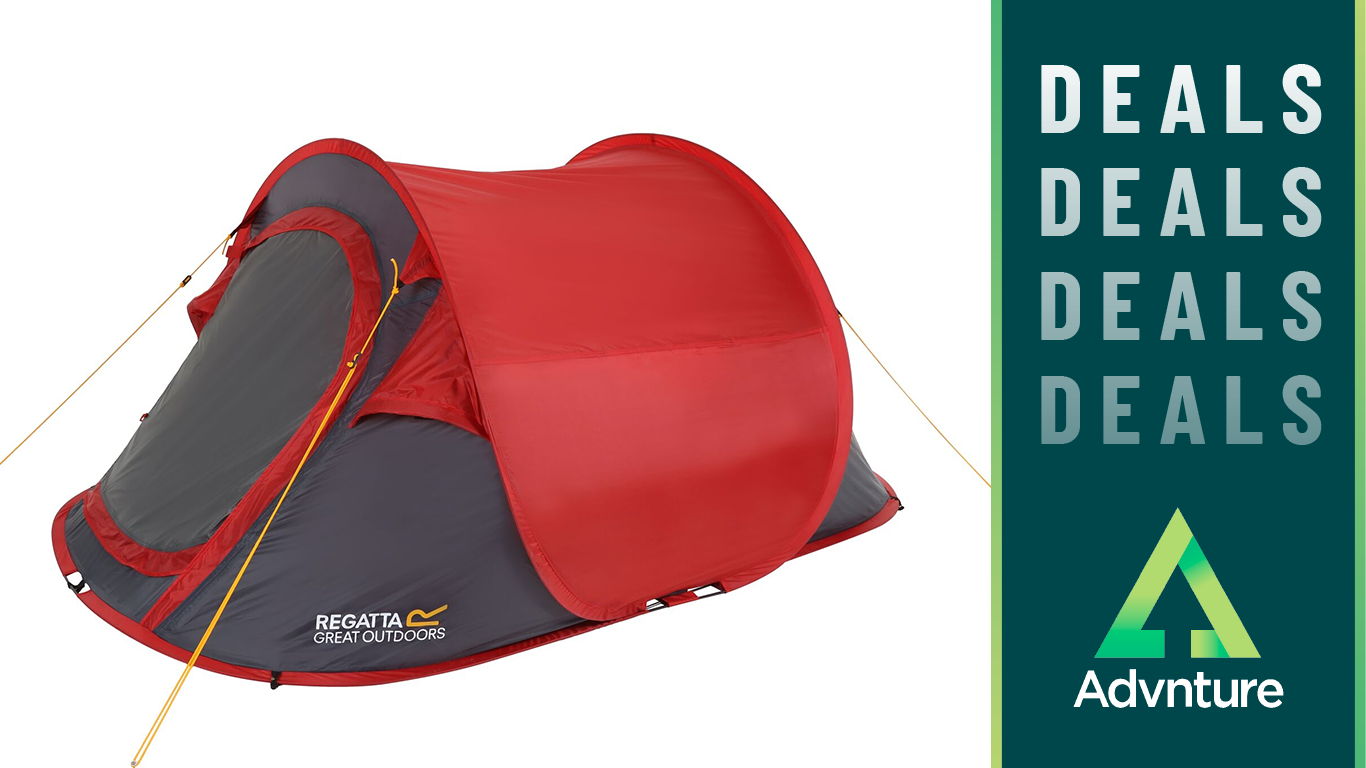
- Pop-up tents:Set up fast, good for short trips or festivals.
Tent Sizes And Capacity
Tent size depends on how many people will sleep inside. Check the capacity before buying to ensure enough room for everyone.
| Capacity | Best Use | Typical Dimensions (feet) |
| 1-2 persons | Solo campers or couples | 7 x 5 |
| 3-4 persons | Small families or groups | 8 x 7 |
| 5-6 persons | Larger families | 10 x 9 |
| 7+ persons | Group camping | 12 x 10+ |
Materials And Durability
Tent fabric and poles affect how long the tent lasts and how well it protects you. Choose strong materials for tough weather.
- Fabric:Nylon and polyester are common. Polyester lasts longer in sunlight.
- Waterproof coating:Look for tents with good waterproof layers to keep dry.
- Poles:Aluminum poles are strong and light. Fiberglass poles are cheaper but less durable.
- Seams:Sealed seams stop water from leaking inside.
Credit: www.advnture.com
Essential Gear For Tent Pitching
Pitching a tent requires more than just unfolding the fabric. You need the right gear to keep your tent stable and comfortable. Having the essential tools makes your camping experience safer and easier.
This guide covers important gear you should bring. These items help protect your tent and make setup quick.
Tent Poles And Stakes
Tent poles hold your tent up and shape it. Stakes keep the tent anchored to the ground. Both are important for stability.
- Tent poles are usually made from aluminum or fiberglass.
- Make sure poles match your tent size and model.
- Stakes come in different shapes like V-shaped or straight.
- Use stakes to secure the corners and guy lines of your tent.
- Carry extra stakes in case some bend or break.
Ground Tarps And Footprints
Ground tarps and footprints protect the bottom of your tent from rocks, dirt, and moisture. They add an extra layer of defense.
| Type | Description | Benefit |
| Ground Tarp | A large plastic or nylon sheet | Protects from wet or muddy ground |
| Footprint | Custom-fitted tarp made for your tent model | Fits perfectly and offers better protection |
Additional Accessories
Extra gear can improve your tent pitching and camping comfort. Some items help with setup, others with shelter quality.
- Guy lines:Ropes tied to stakes for extra tent support.
- Hammer or mallet:Used to drive stakes firmly into the ground.
- Seam sealer:A liquid applied to tent seams to stop leaks.
- Repair kit:Includes patches and tools for quick fixes.
- Storage bag:Keeps your tent and accessories organized.
Selecting The Perfect Campsite
Choosing where to pitch your tent is important for a good camping experience. A good spot keeps you safe and comfortable. It also protects your tent and gear.
Think about the ground, weather, and nearby dangers. These factors help you find the best place to set up your tent.
Finding Flat Ground
Look for flat ground to keep your tent stable. A flat surface helps you sleep better and stops your tent from sliding. Avoid slopes or uneven spots.
Clear the area of rocks, sticks, and debris. This will protect your tent floor and make your sleeping area more comfortable.
Considering Wind And Weather
Find a spot that blocks strong wind. Trees or hills can help protect your tent. Face the tent door away from the wind to keep rain out.
Check the weather forecast before camping. Avoid low areas that can collect water if it rains. Plan for sun and shade depending on the season.
Avoiding Hazards
Stay away from dead trees or branches that could fall. Avoid areas near cliffs or unstable ground. Watch for insect nests or animal paths.
- Do not camp near water if flooding is possible
- Keep away from fire hazards like dry grass
- Check for signs of wildlife activity

Credit: alpkit.com
Step-by-step Tent Setup
Pitching a tent means setting it up so you can stay inside it. You need to follow clear steps to do this right. This guide shows you how to set up your tent easily.
Each part of the process helps make your tent safe and comfortable. Read on to learn how to pitch your tent in four main parts.
Laying Out The Tent
Find a flat, clear spot to put your tent. Remove sticks and rocks to avoid damage. Spread the tent body flat on the ground. Make sure the door faces the right way. This step makes the rest easier.
Assembling Poles And Frame
Connect the tent poles by fitting the sections together. Most poles have elastic cords inside for easy assembly. Match each pole to its correct sleeve or clip on the tent. Then, raise the poles to form the frame. This gives your tent its shape.
Securing Tent With Stakes
Stakes keep your tent from moving in the wind. Push stakes into the ground at a 45-degree angle. Attach tent loops to each stake. Pull the tent fabric tight before securing. This step keeps the tent stable and firm.
- Choose stake spots around the tent corners and sides
- Press stakes into soft ground or use a hammer on hard soil
- Make sure stakes are deep enough to hold firmly
- Check all stakes after setting up
Adding Rainfly And Guy Lines
The rainfly protects you from rain and wind. Place the rainfly over the tent. Attach it to the frame or tent corners. Use guy lines to hold the rainfly tight. Tie the lines to nearby trees or stakes. This extra layer keeps you dry and safe.
| Item | Purpose |
| Rainfly | Keeps rain and wind out |
| Guy Lines | Hold rainfly tight and steady |
| Stakes | Secure tent and rainfly to ground |
Tips For Tent Maintenance
Taking care of your tent helps it last longer and stay safe. Good maintenance keeps your tent strong and ready for trips.
Simple actions after camping can protect your tent. Clean, dry, store, and fix it well to enjoy many adventures.
Cleaning And Drying
Clean your tent after every use. Dirt and mud can damage the fabric over time. Use cold water and a soft brush to remove stains.
Dry your tent completely before storing. Wet tents can get moldy and smelly. Set it up in a shaded area to air dry well.
- Use mild soap if needed
- Do not use harsh chemicals
- Spot clean small areas
- Hang tent to dry in shade
- Avoid direct sunlight for long time
Storage Best Practices
Store your tent in a cool, dry place. Avoid damp basements or hot attics. Keep it loosely packed to protect the fabric and seams.
Use a large storage bag instead of a tight stuff sack. This helps maintain the tent’s shape and prevents damage to waterproof coatings.
- Keep away from direct sunlight
- Store in breathable bag or cotton sack
- Never store tent wet or damp
- Check tent for damage before storing
- Air out tent occasionally if stored long
Repairing Common Issues
Fix tears and holes quickly to stop them from getting worse. Use patch kits made for tents. Clean the area before applying patches.
Replace broken zippers and poles if you can. Small fixes extend your tent’s life and keep it working well on trips.
- Patch fabric tears with repair tape
- Use seam sealer on leaking seams
- Replace damaged poles with correct size
- Lubricate zippers to keep them smooth
- Check stakes and guy lines for wear

Credit: hot-tent.com
Safety And Comfort Inside The Tent
Pitching a tent means setting it up so you can stay safe and comfortable inside. A well-pitched tent keeps you dry, warm, and protected from bugs and wind.
Knowing how to arrange your tent space helps you enjoy your outdoor stay. Good setup improves air flow and keeps your gear organized.
Ventilation And Condensation Control
Fresh air inside the tent stops it from feeling stuffy. It also helps reduce moisture that forms from breathing or wet gear.
Keep vents open when you camp. Use mesh windows or doors to let air flow but keep bugs out.
- Open tent vents or windows slightly
- Use a rainfly that allows air flow
- Keep wet clothes outside the tent
- Do not cook inside the tent to avoid moisture
Organizing Gear
Keeping your gear tidy inside the tent saves space and prevents accidents. It also helps you find things quickly.
Use storage pockets or bins to separate items. Place shoes and dirty gear near the tent entrance to keep the sleeping area clean.
- Store small items in mesh pockets
- Keep heavier gear outside or near the door
- Arrange items so you can move easily inside
- Use waterproof bags for electronics and food
Sleeping Arrangements
Comfortable sleeping helps you rest well during camping trips. Plan your sleeping layout before you sleep.
Place sleeping bags on flat ground inside the tent. Leave space between sleepers for air flow and easy movement.
- Use sleeping pads for extra comfort and warmth
- Keep pillows and blankets within reach
- Set up sleeping spots away from the tent walls
- Keep personal items near your sleeping area
Frequently Asked Questions
What Does Pitching A Tent Involve?
Pitching a tent involves setting up a portable shelter using poles, stakes, and fabric. It includes selecting a suitable location, assembling the tent structure, and securing it to the ground. Proper pitching ensures stability and protection from weather elements. It’s essential for camping, outdoor adventures, and temporary accommodation.
Why Is Tent Pitching Important For Campers?
Tent pitching is crucial for campers as it provides shelter and protection from weather conditions. A well-pitched tent ensures safety and comfort during outdoor adventures. It also offers privacy and a designated space for resting. Proper tent setup enhances the camping experience, making it more enjoyable and stress-free.
How Do You Choose A Tent Site?
Choosing a tent site involves selecting a flat, dry area away from hazards. Look for a spot with natural windbreaks like trees or bushes. Ensure it’s away from water sources to avoid flooding. Consider proximity to amenities and scenic views.
A good site enhances safety and comfort.
What Common Mistakes Happen In Tent Pitching?
Common mistakes in tent pitching include choosing an uneven site, improper securing of stakes, and incorrect pole assembly. Overlooking weather conditions can lead to instability. Ensure rainflies are taut and avoid pitching under dead branches. Proper preparation and attention to detail prevent these errors, ensuring a successful setup.
Conclusion
Pitching a tent means setting up a shelter outdoors. It helps you stay safe and dry while camping. Knowing how to pitch a tent makes your trip easier and more fun. Practice makes it simple and quick. Enjoy the fresh air and nature around you.
A good tent keeps you comfortable at night. Now, you are ready to pitch your own tent with confidence.