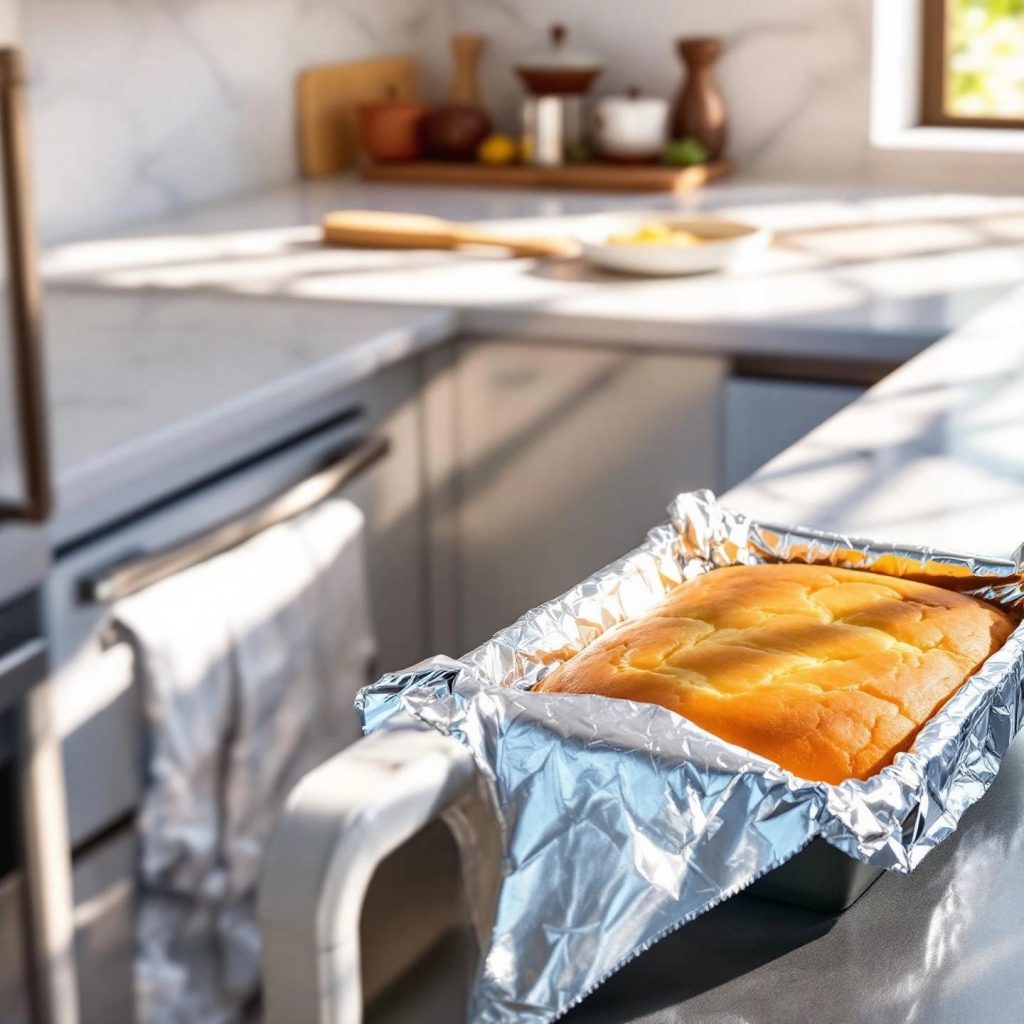
Have you ever heard the term “tenting with foil” and wondered what it actually means? If you enjoy cooking or baking, this simple technique can make a big difference in your results.
You might be missing out on an easy way to keep your food moist, control cooking times, or prevent over-browning. By the time you finish reading, you’ll know exactly how to use foil like a pro to improve your dishes.
Ready to unlock this secret? Let’s dive in!
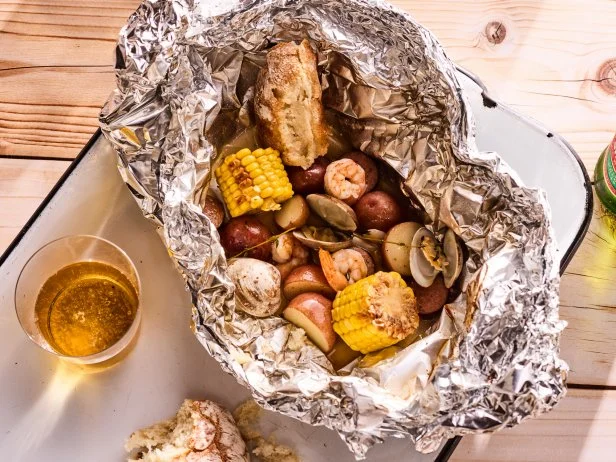
Credit: www.foodnetwork.com
Purpose Of Foil Tenting
Tenting with foil means covering food loosely with aluminum foil while cooking. This method helps protect food during baking or roasting.
Foil tenting controls how heat and moisture affect the food. It keeps the dish tender and flavorful.
Retaining Moisture
Foil tenting traps steam around the food. This stops the surface from drying out during cooking.
The moisture inside the tent keeps meat and vegetables juicy and soft.
- Prevents food from becoming dry
- Helps maintain natural juices
- Keeps texture tender and moist
Controlling Cooking Temperature
Foil tents create a small shield around the food. They reduce direct heat from the oven or grill.
This slows down cooking on the outside while letting the inside cook fully. It avoids burning or overcooking.
- Protects food from high heat
- Allows even cooking inside
- Prevents burnt edges or crusts
Enhancing Flavor
Foil tenting holds in smells and natural flavors. The steam helps mix flavors inside the food.
This makes dishes taste richer and more balanced after cooking.
- Traps aromatic steam
- Blends spices and herbs well
- Improves overall taste

Credit: www.dreamstime.com
When To Use Foil Tenting
Foil tenting means covering food loosely with aluminum foil. It helps keep heat and moisture inside. This method is useful in many cooking steps.
Knowing when to use foil tenting can improve your cooking results. It protects food and controls temperature well.
After Searing Meat
After searing, foil tenting keeps the meat warm. It stops the surface from cooling too fast. This helps the meat stay juicy inside.
- Prevent heat loss
- Keep meat juices inside
- Allow meat to cool slightly before next step
During Resting Period
Resting meat lets juices spread evenly. Foil tenting keeps meat warm but avoids steaming it. Loose tenting is best to keep the crust crisp.
| Foil Use | Effect |
| Loose tent | Keeps heat without softening crust |
| Tight wrap | Traps steam and softens crust |
For Slow Cooking
Foil tenting helps slow cooking by holding in moisture. It prevents food from drying out during long cooking times.
Benefits of foil tenting for slow cooking:
- Locks moisture inside
- Maintains even heat around food
- Prevents surface from drying
- Helps tenderize tough cuts
Choosing The Right Foil
Tenting with foil helps keep food moist and cooks it evenly. Picking the right foil is important for good results. Different foils work better for different needs.
Knowing the difference between heavy-duty and standard foil can save you time and prevent food from drying out or burning. You can also try other materials if foil is not a fit.
Heavy-duty Vs. Standard Foil
Heavy-duty foil is thicker and stronger than standard foil. It resists tearing and holds up better to heat. Standard foil is thinner and easier to shape around food.
| Type | Thickness | Best Use | Price |
|---|---|---|---|
| Heavy-Duty Foil | Thick | Long cooking, large items, grilling | Higher |
| Standard Foil | Thin | Short cooking, light covering | Lower |
Alternatives To Foil
You can use other materials to tent food if you want to avoid foil. Some alternatives keep food warm and moist too.
- Parchment paper
- Silicone lids or mats
- Baking sheets or pans with lids
- Reusable food covers
How To Tent Properly
Tenting with foil means covering food loosely with aluminum foil. This helps keep moisture and heat in while cooking.
Doing it the right way keeps food juicy and cooks it evenly. It also stops the foil from sticking to the food.
Creating A Loose Tent
Make a loose tent by shaping the foil over the food without pressing it down. Leave some space between the foil and food.
This space allows air to circulate and stops the foil from touching the food. It also helps heat spread evenly.
- Use a large piece of foil
- Place it over food without tight wrapping
- Make sure foil does not touch the food
Avoiding Soggy Results
Foil traps steam, which can make food soggy if sealed too tight. Keep the tent loose to let some steam escape.
Check food while cooking and remove foil near the end to crisp the surface. This keeps food moist but not wet.
- Do not seal foil edges tightly
- Leave small gaps for steam to escape
- Remove foil in last few minutes if needed
Ensuring Even Heat Distribution
A loose foil tent helps heat move around food evenly. This prevents hot spots and uneven cooking.
Use enough foil to cover all sides. Avoid folds that block heat or trap moisture in one spot.
- Cover food completely with foil
- Avoid thick folds or layers of foil
- Check and adjust foil if heat seems uneven
Common Mistakes To Avoid
Tenting with foil means covering food loosely with aluminum foil while cooking. It helps keep moisture in and prevents burning. Many people make mistakes when using foil this way. These mistakes can spoil your food or make cooking harder.
Here are some common errors to watch out for when tenting with foil. Avoid these to get the best results from your cooking.
Wrapping Too Tightly
One common mistake is wrapping the foil too tight around the food. Tightly wrapping stops steam from escaping. This can make food soggy instead of tender.
Foil tenting should be loose to let air flow. This keeps the food moist but still lets it cook evenly. Tight wrapping can also cause foil to stick to the food.
Leaving Foil On Too Long
Some people leave the foil on their food for the whole cooking time. This can trap too much heat and moisture. Food may end up overcooked or steaming instead of roasting.
It is best to remove the foil near the end of cooking. This helps the food brown and get a crispy texture. Leaving foil on too long can hide the food’s true flavor.
Using Foil On Delicate Foods
Foil can be too harsh for delicate foods like fish or soft vegetables. Wrapping these foods in foil might cause them to break apart or become mushy.
Use foil carefully or choose other methods like parchment paper. This protects delicate foods and keeps their shape and texture.
Foil Tenting Vs. Other Methods
Tenting with foil is a popular way to keep food warm and moist after cooking. It means loosely covering food with aluminum foil to trap heat. This method differs from other ways to rest or cover food.
Let’s look at how foil tenting compares to using parchment paper, lids, or coolers. Each method has its own benefits and uses in cooking.
Using Parchment Paper
Parchment paper is a food-safe paper that can cover food without sealing tightly. It is less heat reflective than foil and lets some steam escape. This helps prevent sogginess.
- Allows gentle steam release
- Prevents direct contact with foil
- Good for baking and resting delicate foods
- Does not trap as much heat as foil
Using A Lid Or Cover
Using a lid or cover seals the container and traps moisture and heat well. This method is common for pots and slow cookers. It keeps food juicy but can sometimes make the surface less crispy.
| Method | Heat Retention | Moisture Control | Effect on Texture |
|---|---|---|---|
| Foil Tenting | High | Moderate | Keeps crust, prevents drying |
| Parchment Paper | Moderate | Allows steam release | Good for soft texture |
| Lid or Cover | High | High, traps moisture | May soften crust |
Using A Cooler For Resting
Resting food inside a cooler keeps heat steady for a long time. This is useful for large cuts of meat. The cooler traps heat without causing extra moisture buildup.
- Keeps food warm for up to an hour
- Prevents heat loss without steaming
- Best for thick meats like roasts or brisket
- Requires extra equipment like a cooler
Cleaning And Safety Tips
Tenting with foil is a common technique used in cooking. It helps keep food moist and warm. Yet, it requires careful handling to stay safe.
This guide covers important tips for cleaning and safety while using foil tents. Follow these steps to avoid accidents and maintain hygiene.
Handling Hot Foil
Foil can get very hot after cooking. Always use oven mitts or heat-resistant gloves to move or remove foil tents. Avoid touching hot foil with bare hands to prevent burns.
Let the foil cool down before cleaning or folding it. Keep children away from hot foil to avoid accidents.
Disposal And Reuse
Foil can be reused if it is clean and not torn. After use, gently wash the foil with warm soapy water and dry it completely. Store it flat to avoid creases.
- Check for food residue before reusing foil.
- Do not reuse foil that has holes or tears.
- Recycle foil if your local program accepts it.
- Throw away foil if it is heavily soiled or damaged.
Avoiding Chemical Contamination
Aluminum foil may react with acidic or salty foods. This can cause tiny amounts of aluminum to transfer to your food. Avoid wrapping highly acidic foods like tomatoes or citrus in foil for long periods.
| Food Type | Safety Tip |
| Tomatoes | Wrap in parchment paper before foil |
| Citrus fruits | Use glass containers instead |
| Salty foods | Limit foil contact time |
| Neutral foods | Safe for direct foil wrapping |
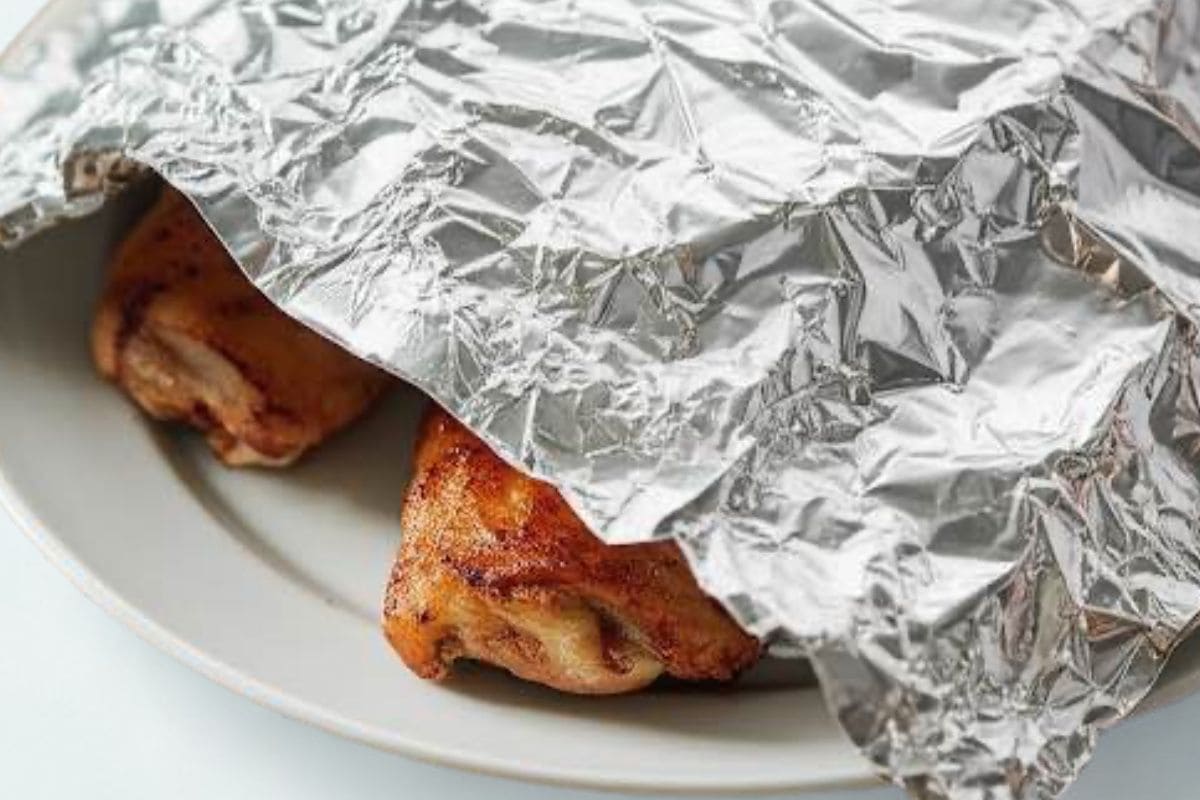
Credit: cafedelites.com
Frequently Asked Questions
What Is The Purpose Of Tenting With Foil?
Tenting with foil helps to retain moisture in food during cooking. It prevents over-browning and ensures even heat distribution. This technique is commonly used for meats and casseroles. By tenting, you can achieve juicier and more flavorful results without drying out the dish.
How Do You Tent With Foil Properly?
To tent with foil, loosely place a piece of foil over your dish. Ensure it doesn’t touch the food directly. Leave space for air circulation. Secure the foil at the edges of the baking dish. This method helps maintain moisture and ensures even cooking.
Does Tenting With Foil Affect Cooking Time?
Tenting with foil can slightly affect cooking time. It may slightly prolong it by maintaining moisture and heat. The technique ensures the dish cooks evenly without drying out. Check food periodically to avoid overcooking, especially for meats and delicate dishes.
Can Tenting With Foil Prevent Food Burning?
Yes, tenting with foil can prevent food from burning. It creates a barrier, protecting the food’s surface from direct heat. This method helps retain moisture and avoids over-browning. It’s especially useful when baking or roasting at high temperatures.
Conclusion
Tenting with foil helps keep food moist and cooks it evenly. It creates a small heat shield that protects your dish. This simple step can improve your cooking results. Many home cooks use foil tents to avoid drying out meals.
It’s easy and quick to do in any oven. Try it next time you roast meat or bake. Small changes like this make a big difference in taste. Enjoy better meals with less effort.