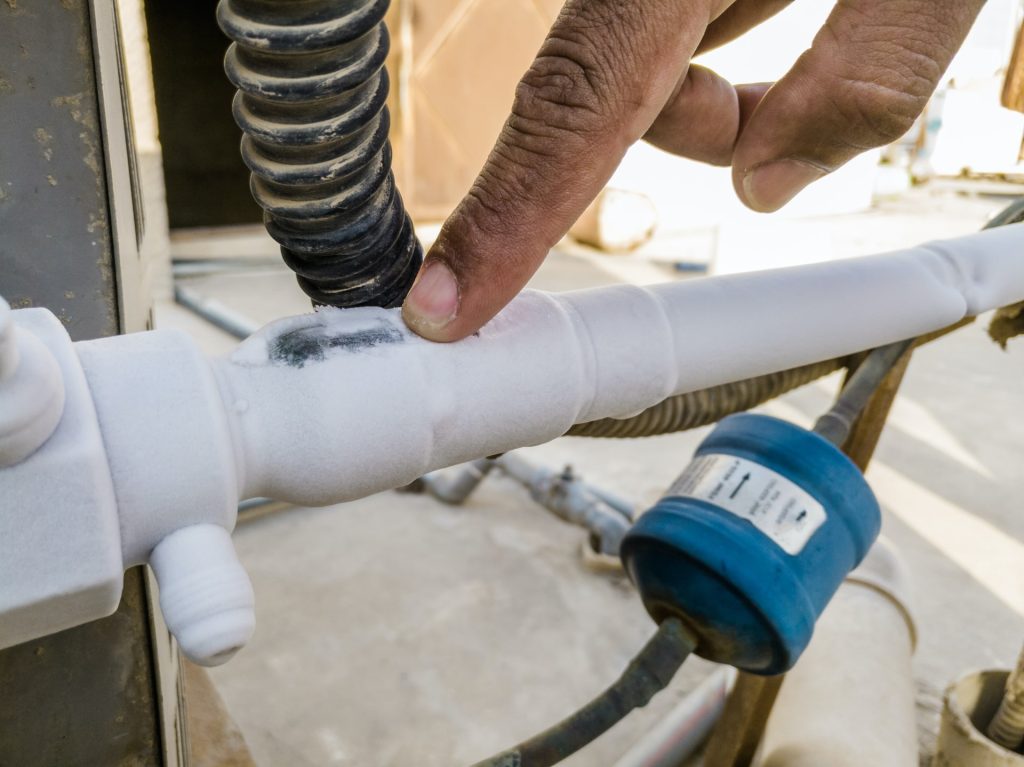
Imagine it’s a scorching summer day, and you rely on your air conditioner to keep you cool. But suddenly, you notice something strange—your AC line is covered in ice.
What does it mean when your AC line freezes up? This unexpected scenario can leave you feeling puzzled and concerned about potential damage to your cooling system. Understanding the reasons behind this icy phenomenon can save you time, money, and a lot of discomfort.
As you read on, you’ll discover the common causes of a frozen AC line and learn practical solutions to prevent it from happening again. Don’t let a frozen AC line leave you hot under the collar; let’s unravel the mystery together and keep your home comfortable.

Credit: www.reddit.com
Why Ac Lines Freeze
Understanding why your AC lines freeze is key to fixing the problem before it causes bigger issues. Frozen AC lines often signal that something is wrong with your system’s airflow or cooling process. Let’s break down the most common causes so you can spot them early and keep your AC running smoothly.
Low Refrigerant Levels
Low refrigerant means your AC doesn’t have enough coolant to absorb heat properly. This causes the evaporator coil to get too cold, leading to ice buildup on the lines. Have you checked your refrigerant levels lately? A quick inspection by a technician can prevent this issue from worsening.
Poor Airflow Issues
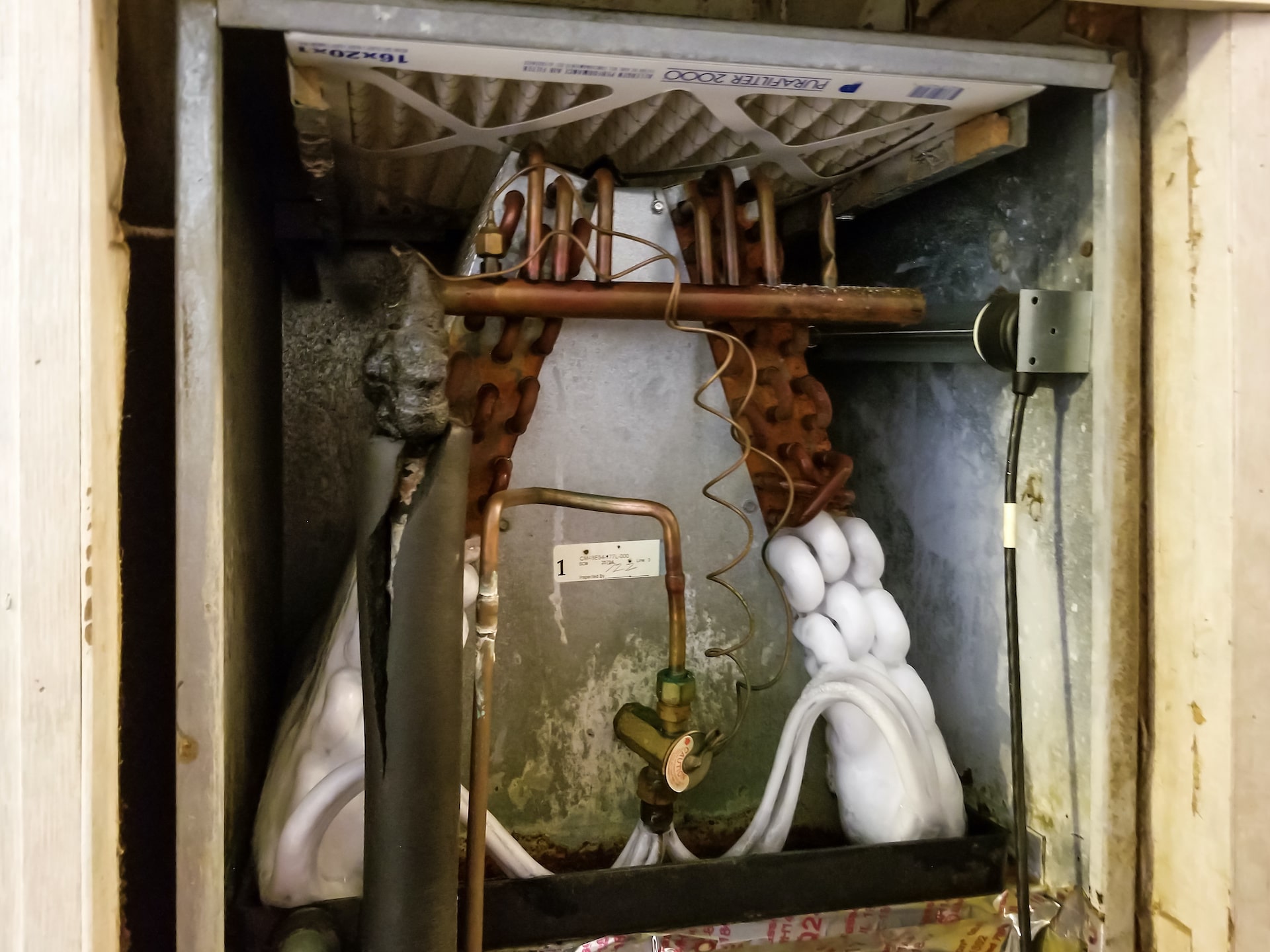
When air can’t flow freely over the evaporator coil, it gets too cold and freezes moisture on the coil. Blocked vents, closed registers, or dirty blower fans often reduce airflow. Think about the last time you noticed uneven cooling in your home—this might be why your AC lines froze.
Dirty Air Filters
A clogged air filter restricts airflow, making it harder for your AC to function properly. This restriction leads to lower temperatures inside the coil, causing ice to form. Changing or cleaning filters regularly is a simple step that can save you from costly repairs.
Thermostat Problems
If your thermostat is misreading the temperature, it can cause the AC to run longer than needed. Overworking the system can lead to freezing of the AC lines. Do you feel like your home temperature is off despite the thermostat settings? It might be time to recalibrate or replace your thermostat.
Drainage Blockages
Blocked drainage prevents condensate from draining properly, causing water to back up and freeze around the lines. Debris or algae in the drain line is a common culprit. Regularly checking and clearing the drain line can help avoid frozen AC pipes and water damage.
Credit: www.angi.com
Signs Of A Frozen Ac Line
Noticing a frozen AC line can signal trouble with your air conditioning system. Recognizing the signs early helps you avoid costly repairs and keeps your home comfortable. Let’s look at the key indicators that your AC line might be freezing up.
Reduced Cooling Performance
If your AC suddenly struggles to cool your space, it might be more than just a hot day. A frozen line restricts airflow, causing your system to work harder but cool less effectively. You might feel warmer air blowing from the vents even though the system is running.
Ice Formation On Pipes
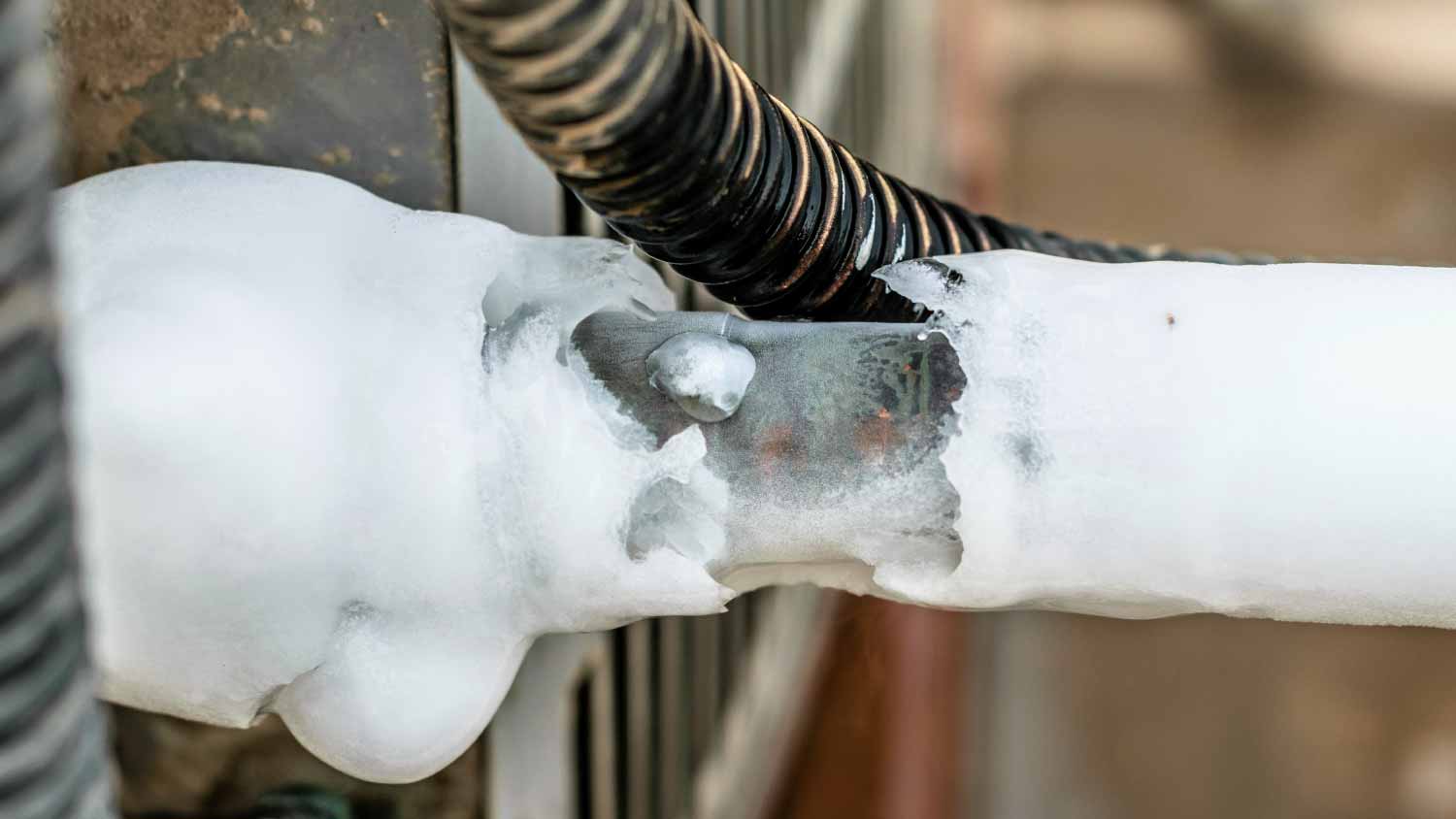
One of the clearest signs is visible ice buildup on the refrigerant lines or the evaporator coil. This ice can look like frost or thick layers of ice covering metal pipes. Have you ever touched your AC pipes only to find them cold and frozen? That’s a big warning signal.
Strange Noises
Frozen lines can cause your AC to make unusual sounds like gurgling, hissing, or even banging. These noises occur because the system is struggling to circulate refrigerant properly. If you hear something off, don’t ignore it—your AC might be trying to tell you it’s in trouble.
Water Leaks Indoors
As the ice on your AC line melts, water can drip or pool around your indoor unit. This can damage walls, flooring, or furniture if left unchecked. If you spot water where it shouldn’t be, especially near the AC, it’s time to check for freezing issues.
How To Fix A Frozen Ac Line
Fixing a frozen AC line requires careful attention and quick action. A frozen line stops your air conditioner from working well. It causes discomfort and can damage the system if not fixed. Follow these simple steps to solve the problem and keep your home cool.
Turn Off The Ac Unit
First, switch off the AC to stop ice from building up. Running the unit with frozen lines can harm the compressor. Let the ice melt naturally. This can take several hours. Use a fan to help speed up melting.
Check And Replace Air Filters
Dirty filters reduce airflow, causing the line to freeze. Remove the air filter and inspect it. Replace it if it looks clogged or dirty. Clean filters help air move freely and keep the system running smoothly.
Clear Drain Lines
Blocked drain lines trap moisture and cause ice buildup. Find the drain line near the outdoor unit. Use a wet/dry vacuum or a plumber’s snake to clear any blockages. Clean lines prevent water backup and ice formation.
Restore Proper Airflow
Ensure vents and registers are open and not blocked by furniture or curtains. Clean the vents to remove dust and debris. Proper airflow stops the AC coil from getting too cold and freezing.
Recharge Refrigerant Safely
Low refrigerant causes freezing and poor cooling. Check refrigerant levels with a professional HVAC technician. Only certified experts should recharge refrigerant. Incorrect handling can damage the system and void warranties.
Preventing Future Freezes
Preventing your AC line from freezing up again is crucial to keep your cooling system running smoothly and avoid costly repairs. Taking proactive steps can save you from the frustration of an unexpected breakdown during hot days. Let’s look at practical ways to keep your AC in top shape and prevent those icy blockages.
Regular Maintenance Tips
Keeping your AC clean and well-maintained plays a big role in stopping freeze-ups. Make sure to change or clean your air filters every 1-3 months. Dirty filters restrict airflow, causing the evaporator coil to get too cold and freeze.
Check your system’s refrigerant level regularly. Low refrigerant can cause the coil to freeze. Also, clear any debris or dirt from around the outdoor unit to ensure proper airflow.
Scheduling Professional Inspections
Even if you maintain your unit well, a professional check-up is essential. HVAC technicians can spot issues you might miss, like minor leaks or electrical problems, before they lead to frozen lines.
Consider scheduling inspections twice a year—ideally before summer and winter. This keeps your AC ready for heavy use and helps catch problems early.
Upgrading System Components
Sometimes, older parts cause freezing problems. Upgrading to a more efficient thermostat or installing a variable-speed blower can improve airflow and temperature control.
If your AC is outdated, think about replacing it with a newer model designed to handle your home’s cooling load better. It might seem like a big step, but it can prevent freezes and lower your energy bills.
Credit: www.topnotchheatingandair.com
Frequently Asked Questions
Why Does My Ac Line Freeze Up?
AC lines freeze due to restricted airflow or low refrigerant levels. This causes condensation to freeze on the coils, blocking cooling. Regular maintenance prevents this issue.
How To Prevent Ac Line Freezing?
Keep air filters clean and ensure proper airflow. Regularly check refrigerant levels and fix leaks promptly. Schedule professional AC maintenance yearly.
Can A Frozen Ac Line Damage My Unit?
Yes, a frozen AC line can cause compressor damage. It forces the system to work harder, leading to costly repairs if ignored.
What Immediate Steps To Take If Ac Line Freezes?
Turn off the AC to allow thawing. Check and replace dirty filters. Call a professional if freezing persists to avoid damage.
Conclusion
A frozen AC line means your system needs care. Ice forms when airflow is low or refrigerant leaks. This can stop your AC from cooling properly. Fixing it quickly saves energy and avoids damage. Check filters and vents often to keep air flowing.
Call a professional if ice keeps coming back. Staying aware helps your AC run smoothly all summer. Don’t ignore signs of freezing; act fast to stay cool.