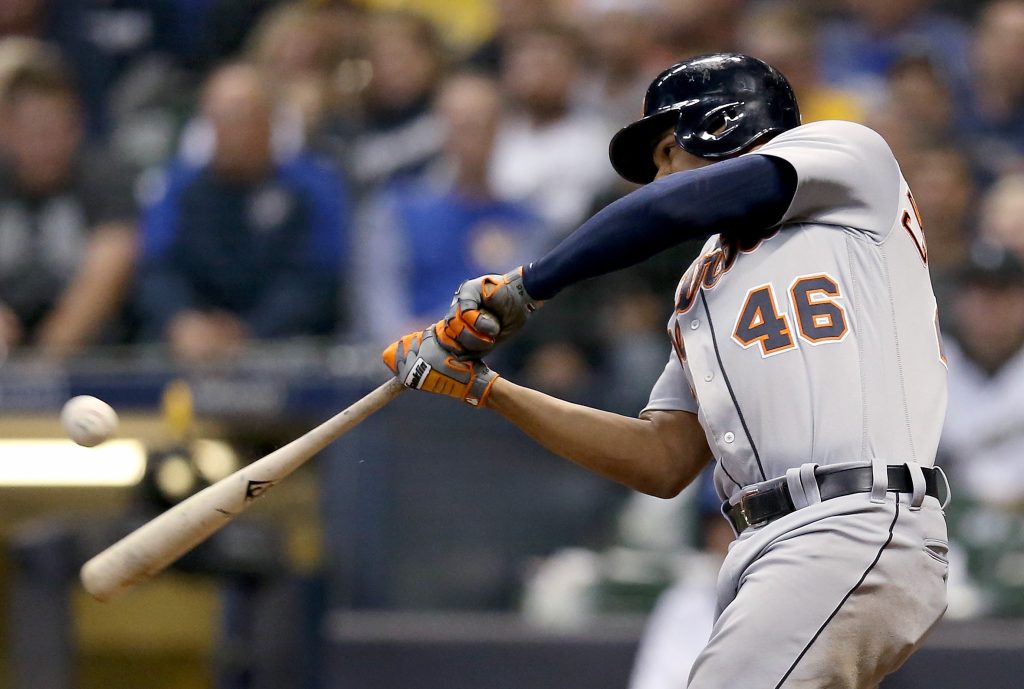
Have you ever picked up a baseball bat and wondered what all those numbers and letters on it actually mean? If you’re like many players and fans, those markings can seem confusing at first.
But understanding what they mean can make a big difference in choosing the right bat for your game. You’ll discover the simple explanations behind those codes and how they affect your swing, power, and control. Keep reading—you’re about to unlock secrets that could take your baseball skills to the next level.
Common Bat Markings
Baseball bats have many markings on them. These markings tell you important information about the bat.
Knowing what these marks mean helps players pick the right bat for their needs.
Brand Logos
Most bats show the maker’s logo. This logo tells you the company that made the bat. It is usually found near the handle or barrel. Logos can be small or large and are often in bright colors.
Model Numbers
Model numbers show the bat’s style or design. These numbers help players and stores know the exact version of the bat. They often include letters and numbers, like “X123” or “Pro45”.
Bat Length And Weight
- Length is shown in inches (e.g., 32″).
- Weight is shown in ounces (e.g., 29 oz).
- Some bats use a drop number (length minus weight).
- The drop number helps find the bat’s balance.
Certification Stamps
| Stamp | Meaning |
| USSSA | Approved for youth baseball leagues |
| BBCOR | Meets high school and college rules |
| USA Baseball | Certified for youth play |
| ASA | Used in amateur softball leagues |

Credit: www.sbnation.com
Material Indicators
Baseball bats come in various materials, each with unique traits. Understanding these can help players choose the right bat.
This guide explores the different materials used in baseball bats and what they mean for performance.
Wood Types
Wood bats are traditional and offer a classic feel. Different woods provide different strengths and weaknesses.
- Maple: Dense and strong, offers more power.
- Ash: Flexible and lightweight, allows for quicker swings.
- Bamboo: Durable and sustainable, good for practice.
Composite Vs Aluminum
Composite and aluminum bats are popular in modern baseball. Each type has distinct features and benefits.
| Material | Advantages |
| Composite | Reduces vibration, larger sweet spot |
| Aluminum | Lightweight, durable, cost-effective |
Grain Patterns
Grain patterns in wood bats affect their performance. They indicate the bat’s quality and durability.
Performance Features
A baseball bat’s design affects how well it performs. Different features help players hit better and feel more comfortable.
Understanding these features can help players choose the right bat for their style and strength.
Barrel Diameter
The barrel diameter is the width of the thickest part of the bat. It affects the size of the hitting surface.
A larger diameter gives a bigger area to hit the ball. This helps players make contact more easily.
- Standard barrel diameter is usually 2.5 inches
- Some bats have larger barrels up to 2.75 inches
- Bigger barrels can add more weight
Sweet Spot Location
The sweet spot is the best place on the bat to hit the ball. It gives the most power and less vibration.
Its location changes depending on the bat’s length and design. Finding the sweet spot helps players hit better.
- Usually near the barrel’s center
- Hitting here feels smoother
- Maximizes ball speed and distance
Balance Point
The balance point is where the bat feels evenly weighted. It affects how fast and easy the bat swings.
Some bats are end-loaded with weight near the barrel. Others are balanced with weight closer to the handle.
- End-loaded bats give more power but slower swings
- Balanced bats allow faster swing speed
- Players choose based on their hitting style

Credit: www.draysbay.com
League And Safety Labels
Baseball bats have labels that show their league approval and safety. These labels help players choose the right bat for their level and keep them safe.
Understanding these labels is important before buying or using a bat. They tell you if the bat meets rules and safety standards.
Approved League Stamps
League stamps show which leagues allow the bat. Each league has its own rules about bat size and material. The stamp means the bat passed those rules.
- USSSA: Approved for travel baseball leagues.
- BBCOR: Required for high school and college play.
- USA Baseball: Used in youth baseball leagues.
- Little League: Meets Little League bat rules.
Age And Skill Level Ratings
Bats often show age or skill levels to guide buyers. These ratings help players pick bats suited to their size and strength. Using the right bat improves play and safety.
| Age Group | Recommended Bat Length | Typical Weight |
| 5-7 years | 24-26 inches | 13-15 ounces |
| 8-10 years | 26-28 inches | 15-18 ounces |
| 11-13 years | 28-30 inches | 18-20 ounces |
| 14+ years | 30-34 inches | 20-24 ounces |
Safety Certifications
Safety certifications mean the bat meets impact and material tests. Certified bats reduce injury risks. Look for safety marks before buying.
- ASTM F2391 – Bat performance and safety standard
- CE Mark – Compliance with European safety rules
- SEI Certified – Safety Equipment Institute tested
Customizations And Personal Marks
Baseball bats often show personal touches from players. These marks make each bat unique. They tell a story about the player and their style.
Customizations help players find their bat quickly. They also add meaning beyond the bat’s function. Let’s look at some common personal marks.
Player Initials
Many players put their initials on their bats. This marks the bat as theirs. It helps avoid mix-ups during games and practices.
Initials can be painted, engraved, or burned into the wood. They are often placed near the handle or the barrel.
Grip Tape Variations
Grip tape changes how the bat feels in the hands. Players use different colors and patterns. This helps them hold the bat better.
Some tapes add extra cushion. Others make the grip sticky to prevent slipping. Personal grip styles show player preferences.
- Colored tape for easy bat ID
- Textured tape for better hold
- Patterned tape for style
Unique Engravings
Engravings add special meaning to a bat. Players may engrave dates, numbers, or symbols. These marks can honor a memory or goal.
Engraving spots vary. Some choose the barrel, others near the handle. These marks make each bat one of a kind.

Credit: the-cauldron.com
Frequently Asked Questions
What Does The Number On A Baseball Bat Mean?
The number on a baseball bat indicates its length in inches. This helps players choose a bat size suitable for their height and hitting style. Longer bats provide more reach, while shorter bats offer better control and faster swings.
Why Are Baseball Bats Labeled With Weight Numbers?
Weight numbers on a baseball bat show how heavy the bat is, usually in ounces. A lighter bat allows faster swings and better bat control. Heavier bats generate more power but may reduce swing speed, impacting timing and accuracy.
How Do Bat Markings Affect Player Performance?
Bat markings help players select the right bat for their strength and hitting technique. Properly sized bats improve swing mechanics, timing, and contact consistency. Using the correct bat size enhances overall performance and reduces injury risk.
What Do Different Letters On A Baseball Bat Represent?
Letters on a baseball bat often indicate the brand or bat model. Some letters may denote specific bat features like wood type or league approval. Understanding these helps players choose bats that meet league rules and personal preferences.
Conclusion
Understanding the markings on a baseball bat helps players choose the right one. Each number or letter tells you about the bat’s size, weight, or material. This knowledge makes picking a bat easier and improves your play. Remember, the right bat fits your strength and style.
Next time you buy a bat, check the markings closely. They give useful clues about performance and comfort. Keep learning about your gear to enjoy baseball more. Simple details can make a big difference on the field.