Have you ever noticed a strange smell coming from your air conditioner? Or maybe you’ve spotted some unusual spots inside the unit but aren’t sure what they are.
Mold in your air conditioner can be a hidden problem that affects your home’s air quality and your health. But what does mold in an air conditioner actually look like? Knowing how to identify it early can save you from costly repairs and keep your family safe.
You’ll learn the simple signs to watch for and how to spot mold before it becomes a bigger issue. Keep reading to protect your home and breathe easier.
Identifying Mold In Air Conditioners
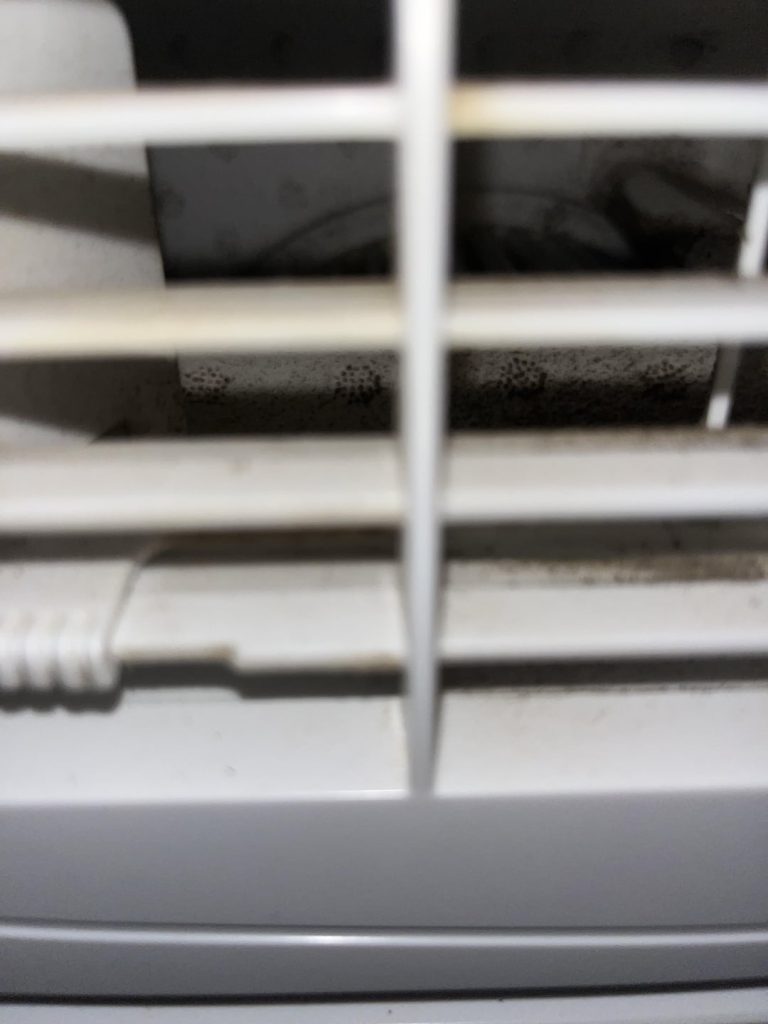
Mold in air conditionersoften shows up as spots or patches. These spots can be black, green, gray, or white. The shapes vary from small dots to large clusters.
Typical places where mold grows inside units include:
- Drain pansthat hold water.
- Air filterswhich trap dust and moisture.
- Cooling coilswhere condensation forms.
- Ductworkwhere air flows.
| Common Mold Colors | Shapes | Growth Areas |
|---|---|---|
| Black, Green, Gray, White | Spots, Patches, Clusters | Drain pans, Filters, Coils, Ducts |

Credit: www.reddit.com
Visual Signs Of Mold Presence
Dark spotsoften appear on air conditioner vents and filters. These spots can be black, green, or brown. They look like small dots or patches.
Slimy or fuzzy texturesform on surfaces inside the AC unit. The slimy feel means moisture is present. The fuzzy texture looks like tiny threads or webs.
Unusual discolorationappears in patterns. It may look like streaks or blotches. Colors can range from white to dark green or black. These patterns show mold growth spreading.
Detecting Mold Through Smell
Musty odorsfrom air vents often signal mold growth inside the air conditioner. The smell is similar to wet clothes left in a dark place. It may get stronger when the AC runs. This smell is a sign of mold sporesspreading through the air.
A persistent damp smellindoors can also indicate hidden mold. This odor does not go away after cleaning or airing out the room. Mold likes dark, moist places like AC filters and ducts. The damp smell is a clue to check these areas for mold.
Health Symptoms Linked To Mold Exposure
Mold in air conditionerscan cause health problems. It often leads to respiratory irritation. People may cough, sneeze, or have a runny nose. Those with allergies can feel worse. Breathing can become difficultor tight. Mold spores in the air trigger these reactions.
Frequent headaches and feeling very tired are common too. These symptoms happen because the body fights the mold. It tries to protect itself but gets worn out. This can make daily tasks hard to do. Sometimes, the symptoms last long even after leaving the place.
- Coughing or sneezing often
- Runny or stuffy nose
- Shortness of breath or wheezing
- Headaches that come and go
- Feeling tired without reason
Causes Of Mold Growth In Ac Units
Moisture buildupcreates the perfect place for mold to grow inside AC units. Water can collect from condensation or leaks. Poor drainage systems make water stay longer. This wet environment helps mold spread quickly.
Neglected maintenanceallows dirt and dust to pile up. These particles hold moisture and feed mold. When AC units are not cleaned regularly, mold spores multiply. This makes the air unhealthy to breathe and can cause bad smells.
- Water from condensation collects inside the unit.
- Clogged or broken drainage stops water from leaving.
- Dirt and dust build up without cleaning.
- Mold spores find food and moisture to grow.
- Blocked filters reduce air flow and increase moisture.
Preventing Mold In Air Conditioners
Regular filter replacementkeeps the air clean and stops mold growth. Dirty filters trap dust and moisture, helping mold spread. Change filters every 1-3 months for best results.
Good airflow is key. Proper ventilationlets moisture escape and stops dampness inside the unit. Keep vents open and clear. Use fans or windows to improve air movement.
Professional cleaning and inspectionfind hidden mold and fix problems early. Experts clean coils, ducts, and drain pans. Schedule checks once or twice a year to keep the system mold-free.
Steps To Remove Mold Safely
Wear gloves and a mask to protect yourself from mold spores. Turn off the air conditioner and unplug it before cleaning. Use a mixture of water and mild detergent or white vinegar to scrub moldy areas gently. A soft brush or cloth works well for this task. Rinse the cleaned parts with water and dry them thoroughly to prevent mold from returning.
Keep the air conditioner dry by running it regularly and changing filters often. Check for leaks or standing water inside the unit, as moisture helps mold grow. Clean the drip pan and drain lines to avoid mold buildup.
- Wear protective gear to avoid breathing mold spores.
- Use mild soap or vinegar mixed with water to clean.
- Scrub gently with a soft brush or cloth.
- Dry all parts completely after cleaning.
- Run the AC regularly and replace filters.
- Check and fix any water leaks.
- Clean drip pans and drain lines.
Call professionals if the mold covers large areas or keeps coming back. Also, seek help if you feel sick or have allergies. Professionals use special tools to clean deep inside the unit. They can fix hidden problems causing mold growth.

Credit: www.reddit.com

Credit: www.reddit.com
Frequently Asked Questions
How Can I Identify Mold In My Air Conditioner?
Mold in air conditioners often appears as black, green, or white spots. It might have a musty smell. Look for discolored patches, especially near vents or drip pans. Regularly checking your unit can help catch mold early, preventing health risks and ensuring efficient operation.
Is Mold In My Air Conditioner Dangerous?
Yes, mold in air conditioners can pose health risks. It can trigger allergies and respiratory issues. Mold spores circulate through your home when the unit runs. This can aggravate asthma and cause other health problems. It’s essential to address mold promptly for a safe indoor environment.
What Causes Mold To Grow In Air Conditioners?
Mold thrives in damp, dark environments. Air conditioners create condensation, which provides moisture for mold growth. Poor ventilation and infrequent cleaning can exacerbate the problem. Regular maintenance and ensuring proper drainage can help prevent mold development in your air conditioning unit.
How Do I Prevent Mold In My Air Conditioner?
To prevent mold, maintain your air conditioner regularly. Clean filters and ensure proper drainage to avoid moisture buildup. Use a dehumidifier in humid climates to reduce indoor humidity. Regular inspections can help identify issues early, preventing mold from developing in your unit.
Conclusion
Mold in your air conditioner looks like dark spots or fuzzy patches. It often appears black, green, or gray. Mold can cause bad smells and health problems. Check your AC regularly for any signs of mold. Clean it quickly to keep air fresh and safe.
Taking care of your AC helps your home stay healthy. Don’t ignore mold—it can spread fast and cause damage. Stay alert and act fast to avoid bigger issues later.