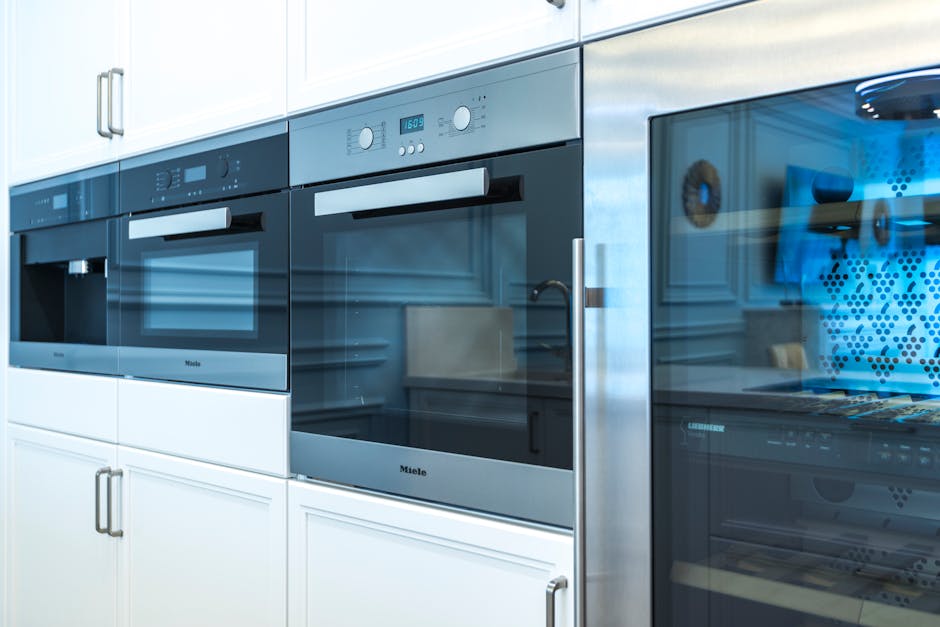
Have you ever wondered what an over the range microwave oven really means for your kitchen? If you’re thinking about saving space or upgrading your cooking setup, this might be the perfect solution for you.
Imagine freeing up your countertop while adding a powerful microwave right above your stove. Sounds convenient, right? Keep reading to discover how this clever appliance works and why it could be the game-changer your kitchen needs.
Over The Range Microwave Basics
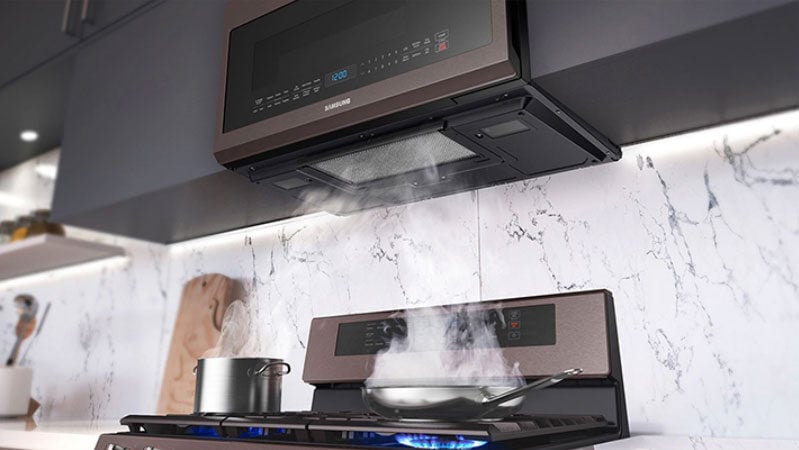
Over the range microwave ovens are a popular kitchen choice. They combine functionality with space-saving benefits. These appliances fit above your stove. This placement offers a streamlined kitchen look. They are both a microwave and a range hood. So, they help with ventilation and cooking needs.
Design And Placement
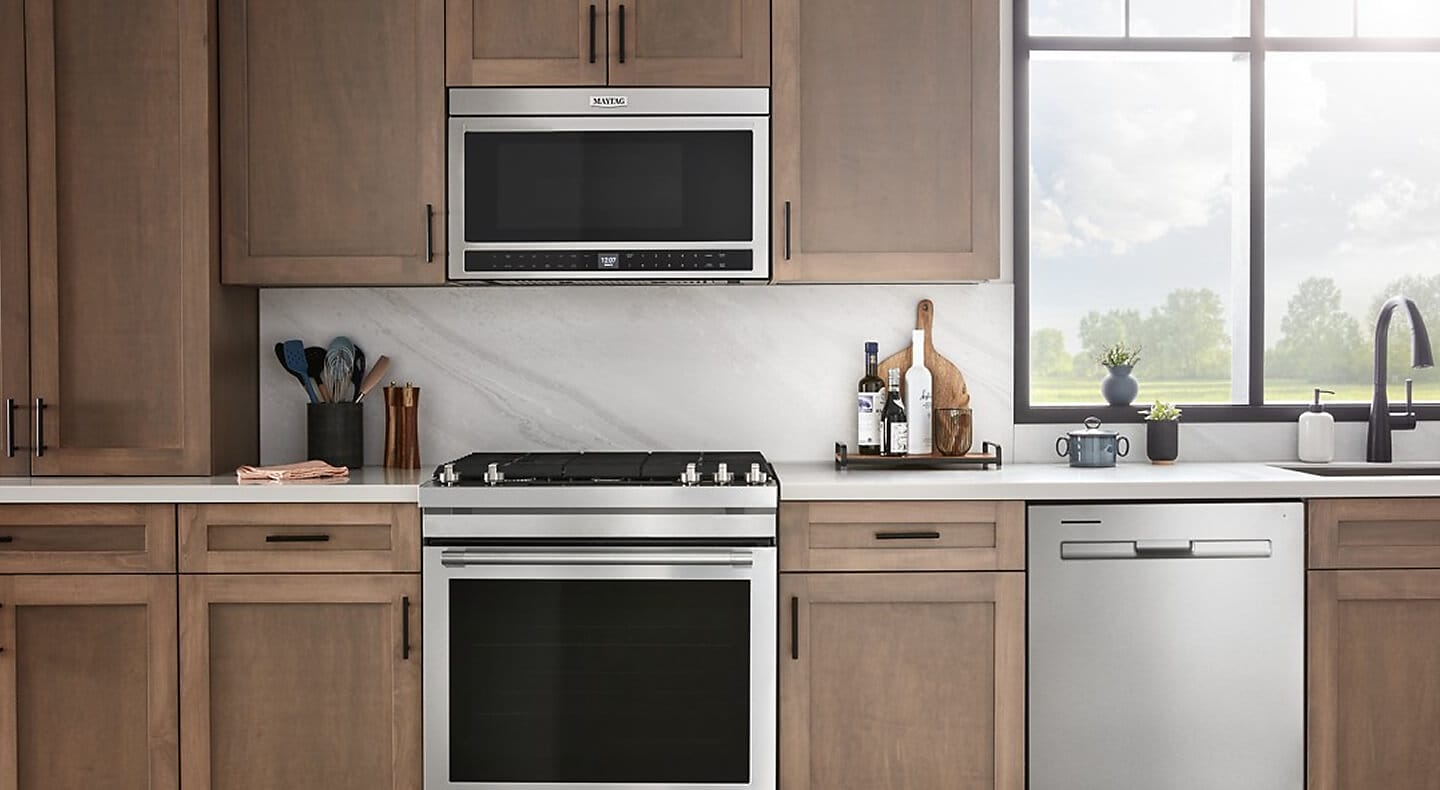
Over the range microwaves have a sleek design. They sit above the stove, freeing counter space. This placement integrates the microwave into kitchen cabinetry. It gives a cohesive and modern look. The design includes a built-in exhaust fan. This fan removes smoke and odors from cooking.
Key Features
These microwaves have several features. Many models offer presets for common dishes. Some have sensor cooking, adjusting time for best results. They often have a light underneath. This lights up the stove area for better visibility. The exhaust fan comes with multiple speed settings.
How It Saves Space
They free up valuable counter space. This is crucial in small kitchens. The over-the-stove placement means one less appliance on counters. It combines two functions in one unit. This is ideal for compact living spaces. Thus, it offers an efficient kitchen layout.
Credit: blog.yaleappliance.com
Installation Essentials
Installing an over the range microwave oven needs careful planning. It must fit securely above your stove and work well with your kitchen setup. Proper installation helps the microwave last longer and keeps your kitchen safe.
Check your space and follow guidelines to make sure your microwave works correctly. Keep in mind the height, support, and clearances needed for the unit. Also, think about how the microwave will ventilate cooking fumes and where to plug it in.
Mounting Requirements
The microwave must be mounted firmly to the wall and cabinet. Use strong screws and anchors to hold the weight. The bottom of the microwave usually needs to be 13 to 16 inches above the stove surface. Measure carefully to avoid blocking your view or creating hazards.
Make sure the wall and cabinets can support the microwave’s weight. Check the manufacturer’s instructions for exact measurements and support details. Use a level to keep the microwave straight during installation.
Ventilation Options
Over the range microwaves often have built-in vents to clear smoke and steam. You can vent air outside through ductwork or recirculate it using filters. Choose the option that fits your kitchen setup.
- External venting removes air outside through a duct.
- Recirculating uses charcoal filters to clean and return air.
External venting is more effective but needs proper duct installation. Recirculating is easier to install but requires regular filter changes.
Electrical Considerations
The microwave needs a dedicated electrical outlet nearby. It usually requires a 120-volt, 15- or 20-amp circuit. Avoid using extension cords or power strips.
Check if the outlet is grounded and placed behind the microwave. The power cord length should reach the outlet without strain. Always follow local electrical codes and safety rules during installation.
Benefits Of Over The Range Microwaves
Over the range microwaves offer several practical benefits for any kitchen. They combine cooking and ventilation in one unit. This design saves space and adds convenience. These microwaves also keep the kitchen looking neat and organized.
Space Efficiency
These microwaves fit above the stove. They free up counter space for other uses. This is ideal for small kitchens. You get more room to prepare meals. No need for extra microwave stands or shelves.
Integrated Venting
Over the range microwaves include built-in vents. They remove steam, smoke, and odors while cooking. This helps keep the air fresh. No need for a separate range hood. It reduces kitchen clutter and simplifies installation.
Convenient Accessibility
The microwave is at eye level. This makes it easy to check food without bending. Controls and display are simple to reach. It improves safety and comfort during use. Perfect for quick heating or cooking tasks.
Credit: www.maytag.com
Potential Drawbacks
Over the range microwave ovens offer convenience by saving countertop space and combining a microwave with a vent hood. However, they come with some potential drawbacks that you should consider before making a purchase. Understanding these challenges can help you decide if this type of microwave fits your kitchen setup and lifestyle.
Height Challenges
One common issue with over the range microwaves is their installation height. They are usually mounted above your stove, which can place the microwave door at an awkward level. If you’re shorter or have mobility issues, reaching in and handling hot dishes might feel uncomfortable or even unsafe.
Think about your kitchen layout. Is there enough clearance between the microwave and the stovetop? Too little space can make cooking tasks tricky and increase the risk of burns. It’s a good idea to measure your space and consider your height before choosing this model.
Noise Levels
Over the range microwaves often have louder fans and vents compared to countertop models. This noise comes from their built-in exhaust systems designed to remove smoke and odors from your cooking area. While effective, the sound can be distracting, especially in open-plan kitchens.
Ask yourself if you mind background noise while cooking or entertaining. Some units run at a constant hum, which might interfere with conversations or phone calls. You might want to read reviews focused on noise levels before deciding.
Limited Capacity
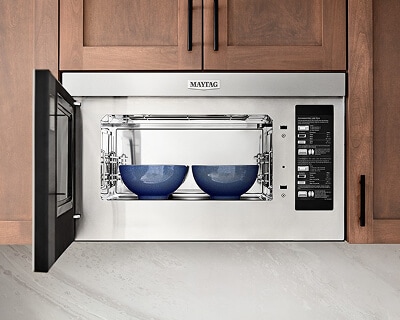
These microwaves tend to have smaller interior spaces than countertop versions. This limits the size of dishes or containers you can use inside. If you often cook large meals or use oversized cookware, this could become a hassle.
Think about your typical cooking needs. Do you regularly reheat big casseroles or large plates? If so, an over the range microwave might feel cramped. Choosing a model with adequate capacity is essential to avoid frustration during meal prep.
Comparing With Countertop Microwaves
Understanding the difference between over the range microwaves and countertop microwaves helps in making the right choice. Both types serve the same basic purpose but fit into kitchens differently. Their design, placement, and added features vary enough to impact daily use and kitchen space.
Space Usage
Over the range microwaves save counter space by mounting above the stove. This setup frees up valuable countertop area for cooking or preparing food. Countertop microwaves take up surface space and need a dedicated spot. Over the range models combine microwave and range hood functions, reducing clutter.
Functionality Differences
Over the range microwaves usually include built-in ventilation systems. They help remove smoke, steam, and cooking odors from the stove area. Countertop microwaves focus solely on heating and cooking food. Over the range models often have more features like lighting and fan controls. Countertop microwaves are simpler but offer more flexibility for placement.
Installation Flexibility
Countertop microwaves require no installation—just plug and use anywhere with a power outlet. Over the range microwaves need professional installation and mounting above the stove. This limits where they can be placed but keeps counters clear. Removing an over the range microwave is harder than moving a countertop model. Each type fits different kitchen layouts and user needs.
Credit: www.maytag.com
Choosing The Right Model
Choosing the right over the range microwave oven means matching it to your kitchen space and cooking needs. This decision affects how well the microwave fits and functions above your stove. It also impacts the kitchen’s look and the ease of use. Consider size, power, features, and style carefully. Each aspect plays a role in your satisfaction with the appliance.
Size And Capacity
Measure the space above your stove before choosing a microwave. Over the range microwaves vary in size, typically from 30 to 36 inches wide. Capacity matters too, usually ranging from 1.5 to 2.2 cubic feet. Larger capacity suits bigger families or frequent cooks. Smaller models work well for small kitchens or occasional use.
Power And Features
Microwave power affects cooking speed and evenness. Most models have power levels between 700 and 1,200 watts. Higher wattage cooks food faster and more evenly. Look for useful features like sensor cooking, multiple power settings, and easy controls. Venting options and built-in lighting also add value and convenience.
Style And Finish
The microwave’s style should match your kitchen’s design. Common finishes include stainless steel, black, and white. Stainless steel looks modern and hides fingerprints well. Choose a finish that blends with your appliances and kitchen decor. The design should feel balanced and pleasing above the stove.
Maintenance Tips
Keeping an over the range microwave oven in good condition takes regular care. Simple maintenance helps it work well longer and keeps your kitchen safe. Focus on cleaning, vent care, and fixing small problems early.
Cleaning The Microwave
Wipe the inside after every use to avoid buildup. Use a damp cloth with mild soap. Avoid harsh cleaners that can damage the surface. Clean the turntable and door seals carefully. Remove food spills quickly to prevent odors and stains.
Maintaining The Vent
Check the vent filters regularly for grease and dust. Clean metal filters by soaking them in warm, soapy water. Replace charcoal filters as per the manufacturer’s advice. Keep the vent area clear to allow proper airflow. A clean vent prevents smoke and keeps air fresh.
Troubleshooting Common Issues
Listen for unusual sounds that may show a problem. If the microwave does not heat, check the door latch and power supply. Flickering lights often mean the bulb needs replacement. A microwave that stops suddenly might have an overheated motor. Early fixes avoid costly repairs later.
Popular Brands And Models
Choosing the right over the range microwave oven can feel overwhelming with so many brands and models available. Understanding what each offers helps you find one that fits your kitchen’s style and your cooking needs. Let’s look at popular options to help you decide which might work best for you.
Top Rated Options
Brands like Panasonic, GE, and Samsung consistently receive high marks for reliability and features. These models often include sensor cooking, easy-to-clean interiors, and powerful ventilation systems.
- Panasonic NN-CD87KS:Known for its inverter technology that heats food evenly.
- GE JVM3160RFSS:Offers a sleek design with a strong exhaust fan.
- Samsung ME19R7041FS:Combines modern features with quiet operation.
Have you checked how these top models handle your most common cooking tasks?
Budget-friendly Picks
Not everyone needs every high-tech feature. Brands like Whirlpool and Frigidaire offer solid over the range microwaves without breaking the bank.
- Whirlpool WMH31017HZ:Simple controls and reliable performance at a lower price.
- Frigidaire FFMV1645TS:Good ventilation and basic microwave functions for everyday use.
Could a straightforward model save you money while still meeting your kitchen needs?
Premium Choices
If you want to invest in a microwave that blends advanced technology with style, look at brands like Bosch and KitchenAid.
- Bosch HMB50152UC:Features sensor cooking and a powerful, quiet fan system.
- KitchenAid KMHC319ESS:Offers a large capacity and intuitive touchscreen controls.
Would a premium model’s extra features make cooking easier or more enjoyable for you?
Frequently Asked Questions
What Is An Over The Range Microwave Oven?
An over the range microwave oven is installed above a stove. It saves counter space and combines a microwave with a ventilation hood.
How Does An Over The Range Microwave Ventilate?
It uses built-in fans to remove smoke, steam, and odors. This keeps your kitchen air clean while cooking.
What Are The Benefits Of Over The Range Microwaves?
They save countertop space, offer convenient cooking access, and include venting options. They also provide extra lighting over the stove.
Can Over The Range Microwaves Replace Traditional Range Hoods?
Yes, many models include powerful ventilation systems that work like range hoods. They help maintain kitchen air quality effectively.
Conclusion
An over the range microwave oven saves space in your kitchen. It combines cooking and ventilation in one device. This type fits above your stove, freeing up counter space. It helps keep your kitchen neat and organized. Choosing this microwave can make cooking easier and cleaner.
Now, you know what an over the range microwave means. It might be a smart choice for your home.